Durability and security

A window is a moving part of your home. It opens and shuts thousands of times, gets slammed by gusts, soaks up afternoon sun and chills overnight. Whether it is still sealing properly in ten years depends almost entirely on the metal underneath the plastic — the hinges, locks and reinforcements that nobody looks at when buying. The same hardware decides how easy it is to pry the window open from the street. This page covers both questions together, because they have the same answers.
Soft-close multi-point hardware

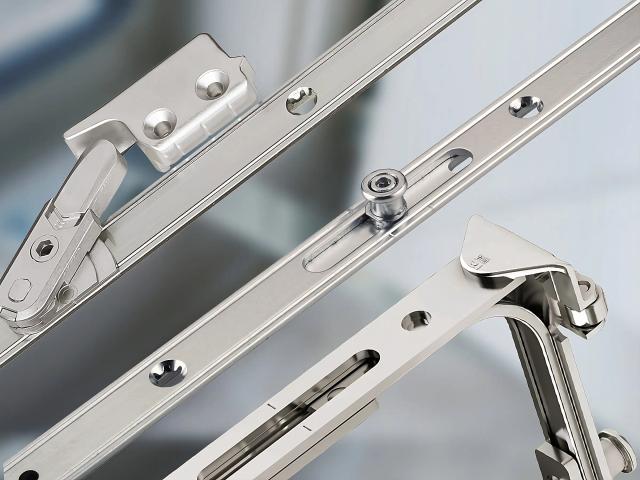
Cheap windows have one or two locking points and a stiff hinge. The sash closes with a thud, the gasket gets squashed where the lock is and gapes elsewhere, and after a few winters the frame is no longer truly straight. Quality hardware works the opposite way. Six to eight locking points spread the pressure evenly around the perimeter. A small damper inside the hinge slows the last centimetre of travel, so the sash settles instead of slamming. The gasket compresses uniformly, the frame stays geometrically true, and the window still seals the same on day 5,000 as on day one.

Smooth, near-silent close even on a windy day
Frame stays square — gasket stays sealed
No prying gap for fingers or screwdrivers
15+
Years of fault-free
daily use

Anti-burglary package: RC1, RC2 and beyond

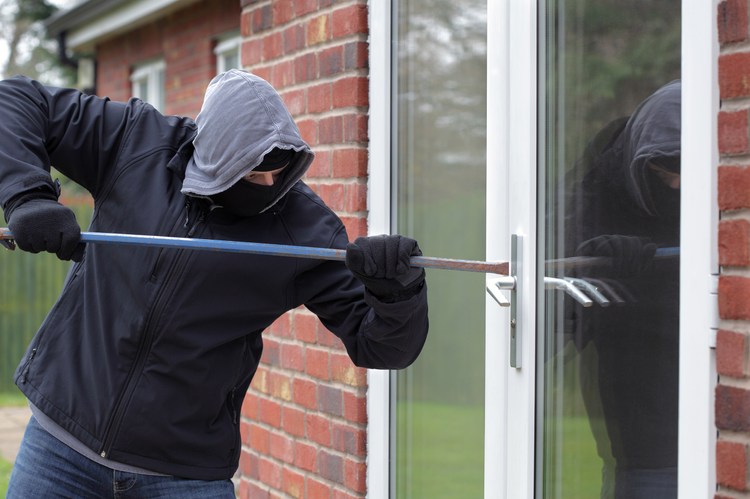
Most ground-floor break-ins start with a screwdriver levered into the gap between sash and frame. The EU standard EN 1627 grades window resistance from RC1 (slows a casual chancer) to RC6 (resists power tools). For a flat above the second floor RC1 is enough; for a ground floor, a terrace door or a country house, ask for RC2 — mushroom-head pins that interlock with steel-reinforced strike plates, a lockable handle that cannot be turned by reaching through a broken pane, and a laminated outer glass that simply refuses to be smashed quietly. Most thieves give up after three minutes; an RC2 package buys you at least that long.

No prying with standard tools
Lockable handle blocks the "reach-through" trick
RC2
EU burglary-resistance
class

Laminated impact glass

Laminated glass is two thinner panes glued together with a clear plastic film, the same construction used in car windshields. Hit it with a stone and the glass cracks but stays in place — held together by the film. For a ground-floor flat that means a thief cannot just smash and step through; for a family with children that means a football to the patio door does not end in fragments on the floor. Pair it with a tempered outer pane and the window will survive hail, accidental knocks and even a clumsy ladder.

Survives impacts that would shatter ordinary glass
Required by code for low balustrades and skylights
Cracked pane stays in the frame until replacement
3x
Impact strength versus
ordinary tempered glass

Reinforcement: the steel inside the plastic

A PVC frame on its own would bend in the sun. Inside every quality profile runs a hollow steel insert that takes the load. The thickness of that insert (typically 1.5–2.0 mm) and how much of the frame it actually covers (look for "fully reinforced", not "partial") decide whether a 2 m × 2 m balcony door will still close cleanly after five summers. If a quote does not mention reinforcement thickness, ask. It is the cheapest place an unscrupulous installer cuts costs.

Hinges that take the weight

A tilt-and-turn balcony door can weigh 60 kg or more. The hinge has to hold that weight, tilt it open, and let it swing wide without sagging — for decades. Premium hardware is rated for the sash mass and the number of cycles (open-and-close cycles to failure); look for ratings of 130 kg / 25,000 cycles or better on big doors. Cheap hinges look the same on day one and start drooping within two years.

The gasket nobody thinks about

Two rubber gaskets run around the perimeter of every modern window — one on the frame, one on the sash. They are what stop wind, rain and dust. EPDM rubber lasts 25–30 years and stays flexible in the cold; cheaper TPE gaskets go brittle in five to seven years and start letting in drafts. Spec sheets rarely mention the gasket compound — ask, and prefer EPDM.

FAQs

Frequently asked questions

How can I tell if my windows have multi-point locking?

Open the sash and look at the edge that closes against the frame. You will see a long metal track with several pins or cams sticking out of it. Count them — three or fewer is basic; six to eight is the upgrade. As you turn the handle, all of those pins should move together.

Is RC2 enough for a ground-floor home?

For most residential homes, yes. RC2 forces an attacker to bring real tools and at least three minutes — long enough that they almost always give up or get noticed. Combine it with laminated glass on the outer pane for full peace of mind.

Does laminated glass cost much more?

About 30–50% more per pane than standard tempered glass. For a ground floor or terrace door it is the single best safety upgrade you can buy. For a 5th-floor flat it is usually not worth it.

How often does window hardware need maintenance?

Once a year. A few drops of light oil on the moving cams and a wipe of silicone grease along the gaskets keeps everything moving smoothly and stops the gaskets from drying out. Five minutes per window, and your hardware will outlast the rest of the kitchen.

What is a "child-safe" handle?

A handle with a built-in key or push-button lock. Children can still tilt the window for ventilation but cannot open it fully. A must-have for any window above ground level in a home with small kids.

Are aluminium frames more secure than PVC?

Not in themselves. Security is decided by hardware (locking points, strike plates), glass (laminated vs. plain) and the install (steel anchors into masonry). A well-specified PVC window is more secure than a cheap aluminium one — and the other way round.

Ready to spec your windows?

Use the 3D configurator to size up your windows and see a fair market price. Or compare the leading PVC and aluminium brands side by side.