You spent thousands on new windows, and three months later there is a cold draught along the frame, water pooling on the inside sill after rain, and one of the sashes no longer lines up. The instinct is to blame the product. In most cases the product is fine — the installation is the problem. A well-made window fitted out of level, foamed instead of mechanically fixed, or sealed only with a smear of silicone will leak air, water and heat no matter whose logo is on it.
The good news is that Spanish consumer law is firmly on your side, and a badly installed window is a defect you are entitled to have put right at no cost. This guide walks through the symptoms, how to document them so your claim sticks, your legal rights, and the exact escalation path — from a polite written complaint to arbitraje de consumo and, if it comes to it, court.
Symptoms of a bad installation
A defective fit usually shows up within the first heating or rainy season. Watch for:
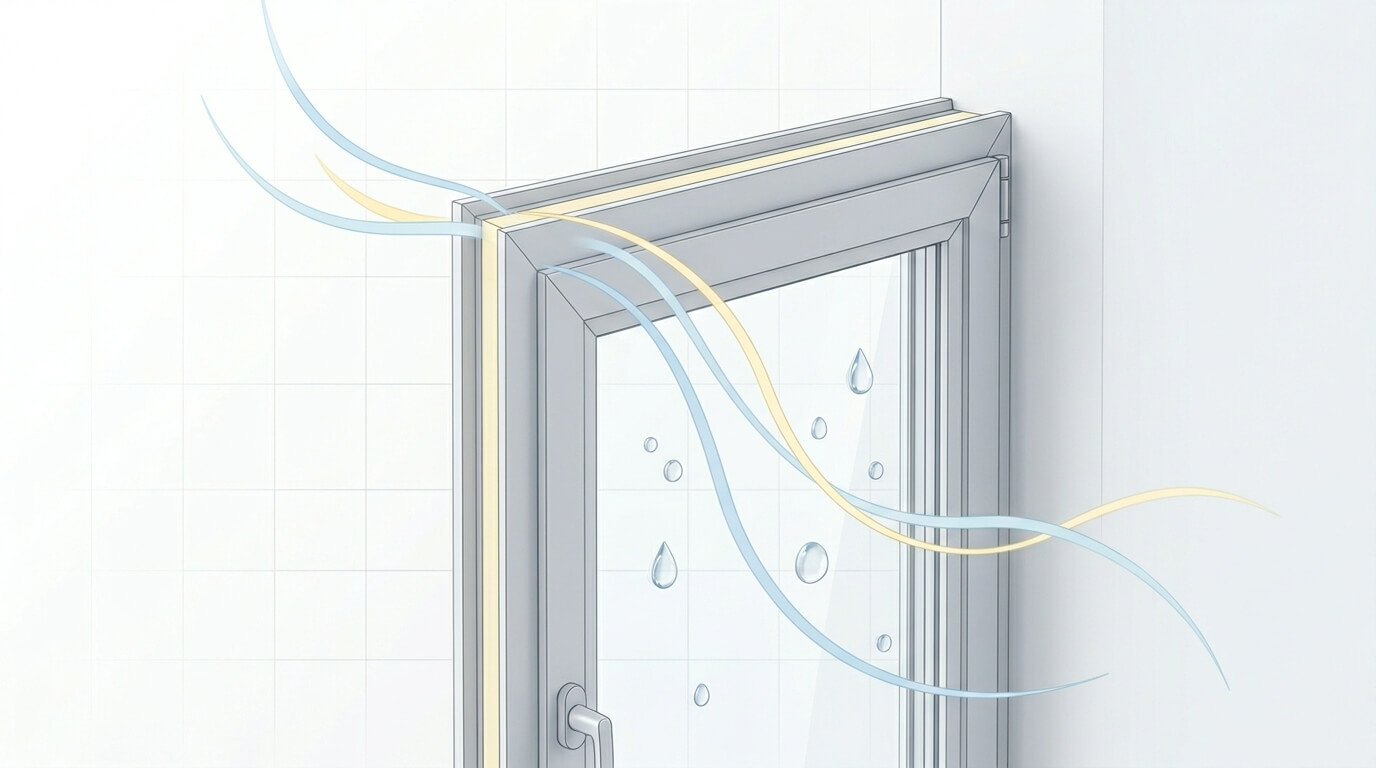
- Draughts around the frame. If you feel air movement at the perimeter (between frame and wall) rather than at the sash, the gap was not properly sealed or insulated. A lit candle or incense stick held near the join will reveal it.
- Condensation on the frame or wall reveal (not just the glass). Persistent condensation at the edges points to a thermal bridge from poor perimeter insulation or sealing.
- Water leaks after rain — pooling on the inner sill, damp patches below the window, or staining on the reveal. Almost always a sealing or sub-sill (vierteaguas) fault.
- Sagging or dropping sashes that scrape, won’t latch, or leave a visible gap at one corner. The unit was fitted out of square, under-reinforced, or the hinges were never adjusted.
- Poor sealing and finishing — visible gaps, lumpy expanding foam left exposed, missing or torn perimeter tape, silicone applied over dirt so it peels.
- Difficult or stiff operation, handles that don’t seat, or a tilt-and-turn that only does one of its two movements.
If you also suspect the window itself is mismatched to your climate or under-specified, our independent comparison of PVC window brands explains how to read the spec — but operation and sealing faults are nearly always the fitter, not the brand.
Step 1 — Document everything
Before you contact anyone, build a file. A clear evidence pack is what turns a complaint into a successful claim.
- Photos and video of every fault, dated. Show the draught test, the leak after rain, the gap at the sash corner, the exposed foam.
- The contract / presupuesto and the invoice (factura). These prove what was promised and when, and start your warranty clock.
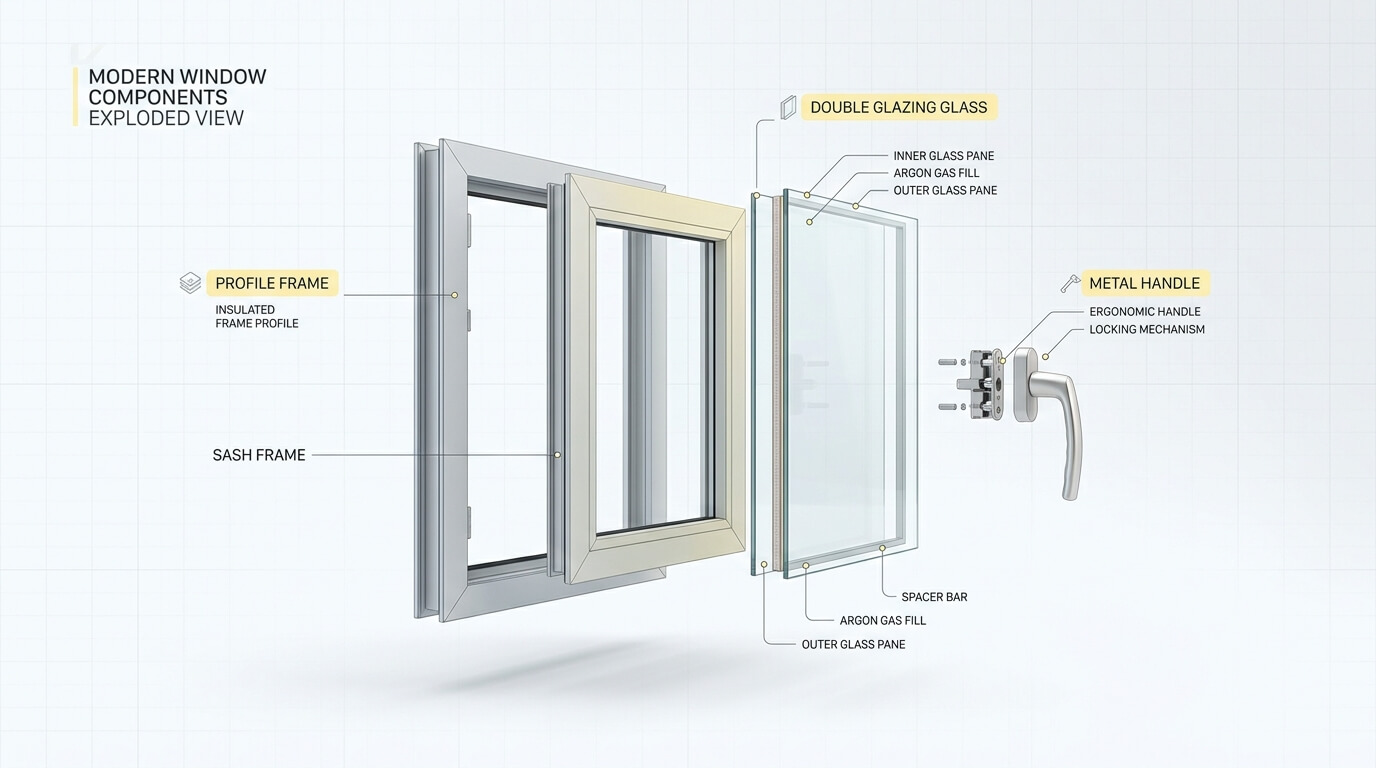
- The product documentation — the system, Uw and any installation spec you were given.
- A written log of dates: when fitted, when the fault appeared, every call and message.
- If useful, an independent assessment — a peritaje from an architect, aparejador or surveyor. For a contested or expensive case this report is decisive evidence.
Step 2 — Know your rights
In Spain, badly installed windows are covered by two overlapping protections:
- The legal guarantee of conformity (garantía de conformidad), under the consumer code (Real Decreto Legislativo 1/2007, updated by Real Decreto-ley 7/2021). For goods bought from November 2021 onwards, the legal guarantee is three years from delivery (it was two years before). Installation done by the seller is treated as part of conformity, so a bad fit makes the whole job non-conforming. You are entitled, free of charge, to repair or replacement, and if neither resolves it, a price reduction or refund.
- Construction defect rules (Ley de Ordenación de la Edificación, LOE) may apply where windows form part of building works, with longer terms — typically 3 years for habitability defects (water tightness, draughts) and up to 10 years for structural ones.
On top of the legal minimum, the installer’s commercial warranty and the profile/hardware manufacturers’ warranties may give you more. The crucial one is the installation warranty — the fitter’s own guarantee on their workmanship. Our guide on window warranties and after-sales service explains how these layers fit together and what voids them.
Two practical points: the burden of proof is on you only after the first part of the period for older purchases, but for purchases from 2021 a fault appearing within the first two years is presumed to have existed at delivery — the installer must prove otherwise. And your contract is with the company that sold and fitted the windows, so that is who you claim from, even if they subcontracted the work.
Step 3 — Claim against the installer
Work through these stages in order; most cases resolve at stage 1 or 2.
- Written complaint to the company. Send a dated letter or email describing the faults, attaching photos, and demanding repair within a reasonable time (10–15 days is normal). State clearly you are exercising your garantía de conformidad. Send it by a method that proves receipt — burofax is the Spanish standard and carries weight.
- Hoja de reclamaciones. Every business in Spain must hold official complaint forms. Filling one in routes a copy to the regional consumer authority (Consumo / OMIC) and signals you are serious.
- OMIC / regional consumer office. The municipal Oficina Municipal de Información al Consumidor or your comunidad autónoma’s consumer service will mediate for free.
- Arbitraje de consumo. If the company adheres to the consumer arbitration system (or agrees to it), this gives a binding decision without a lawyer or court fees — fast and free for the consumer.
- Court (juzgado). As a last resort, a civil claim. For amounts under €2,000 you can often act without a lawyer or procurador. Keep the peritaje for this stage.
Realistic timelines
- Fault to first written complaint: as soon as documented — don’t wait, but you are protected for the full guarantee period.
- Company response: allow 10–15 working days before escalating.
- OMIC mediation: typically a few weeks to a couple of months.
- Arbitraje: often resolved within a few months.
- Court: the slow road — many months to over a year — which is exactly why most people settle earlier.
Throughout, keep paying nothing for the remedy: under the legal guarantee, conforming repair or replacement is free, including labour and any reinstallation.
Prevention: the cheapest fix is the one you never need
Every step above is avoidable by choosing the right company in the first place. The single biggest predictor of a good outcome is hiring a fitter with a proven track record, written installation warranty and verifiable reviews — not the cheapest quote, which often “saves” precisely on the sealing, fixing and reinforcement that prevent these faults.
This is where a marketplace helps. Estimia verifies every company before it can receive enquiries, so the contractors you compare have been quality-checked rather than self-declared. You can request several comparable quotes, see who commits to a proper installation warranty, and read the experience of past clients — all before you sign. If a problem ever does arise, a verified company with a documented warranty is far quicker to resolve it than an anonymous outfit found through a flyer.
Bottom line
Most “faulty window” complaints in Spain are installation faults, and Spanish law treats them as defects you can have fixed for free for at least three years. Document the problem, claim in writing against the company that sold and fitted the windows, and escalate through the hoja de reclamaciones, OMIC and arbitraje before court. Better still, avoid the whole ordeal by hiring a verified installer from the start.
Compare verified window companies on Estimia and get several quotes side by side — vetted installers, written warranties, and far fewer reasons to ever file a claim.