Spain’s historic centres are one of the country’s glories — and a genuine headache when your 19th-century windows let in every gust of wind and every decibel of the street below. The instinct is to rip them out and fit warm, sealed modern units. In a protected or catalogued building, that instinct can land you with a fine and an order to put the old ones back. Heritage law in Spain protects not just famous monuments but entire conjuntos históricos — the old quarters of Toledo, Granada, Santiago, Cáceres, Sevilla, San Sebastián and hundreds of towns — and the windows are part of what’s protected, because they define the character of the façade.
The good news: you can almost always modernise the performance of a historic window without breaking the rules — the trick is to keep the appearance and upgrade what’s behind it. This guide explains the protection categories you might fall under, what you genuinely can and can’t change (profiles, colours, divisions, materials), how the heritage approval process works, and the special glazing solutions that deliver modern comfort inside a period look. Once you know the brief, Estimia lets you compare quotes from verified window companies experienced with heritage work.
First, find out how protected you are
“Protected” is not one thing in Spain. Your obligations depend on the level of protection, and you need to identify yours before doing anything:
- BIC — Bien de Interés Cultural. The highest tier: declared monuments and the most significant heritage. Strictest controls; almost nothing visible can change without heritage authorisation.
- Catalogued buildings (catálogo municipal). Many town halls keep a catálogo de protección grading buildings (integral, structural, environmental/ambiental protection). Even “environmental” protection — the lowest grade, protecting the building’s contribution to the streetscape — usually controls the façade and windows.
- Conjunto histórico / casco histórico. A protected area. Your building may not be individually famous, but if it sits inside the protected old town, façade changes are regulated to preserve the ensemble.
How to check: ask the ayuntamiento’s urbanismo or patrimonio department, look at the PGOU/plan especial for the historic centre, and check whether the property appears in a municipal or regional catálogo. Never assume an ordinary-looking building in an old town is unprotected — environmental protection is common and easy to overlook.
What you usually CAN’T change
In a protected context, the elements that define the historic character are guarded. Typically off-limits without authorisation — and often simply not permitted:
- The frame material. Replacing wood with PVC or shiny aluminium is the classic refusal. Heritage bodies want wood (or, in some cases, a wood-look that passes inspection).
- The colour. A prescribed palette is common; the bright white of modern PVC is frequently rejected in favour of traditional greens, greys, browns or the building’s documented original colour.
- The divisions / divided light. The pattern of glazing bars — the cuarterones or muntins that split the window into small panes — is a defining feature. You generally must keep the same divisions and proportions, not fit a single big sheet of glass.
- The proportions and opening type. Sizes, the slenderness of the frames (sightlines), and the way the window opens are often fixed to match the original.
- Visible modern hardware, reflective or tinted glass, and external roller shutters where none existed.
The governing principle: from the street, it should still read as the historic window.
What you usually CAN change (this is the opportunity)
Here’s where modernisation lives. What you can almost always improve is everything that isn’t visible from outside or that can be done invisibly:
- The glazing inside the same frame profile — upgrading from single glazing to a slim, high-performance unit (more below).
- Weatherstripping and sealing — adding modern gaskets to kill draughts without changing the look.
- The internal mechanism and ironmongery — smoother operation, better security, hidden behind period-correct hardware.
- Thermal and acoustic performance — dramatically improved while the silhouette stays identical.
- Sometimes, a faithful new window built to the historic pattern: correct wood, correct colour, correct divisions, but modern glazing and seals inside.
This is why a good heritage window job can feel like magic: the neighbours see no change, and you stop hearing the street and feeling the December draught.
The special glazing that squares the circle
The technical heart of legal modernisation is glass that performs like a modern unit but fits a thin, historic frame. Options that heritage bodies commonly accept:
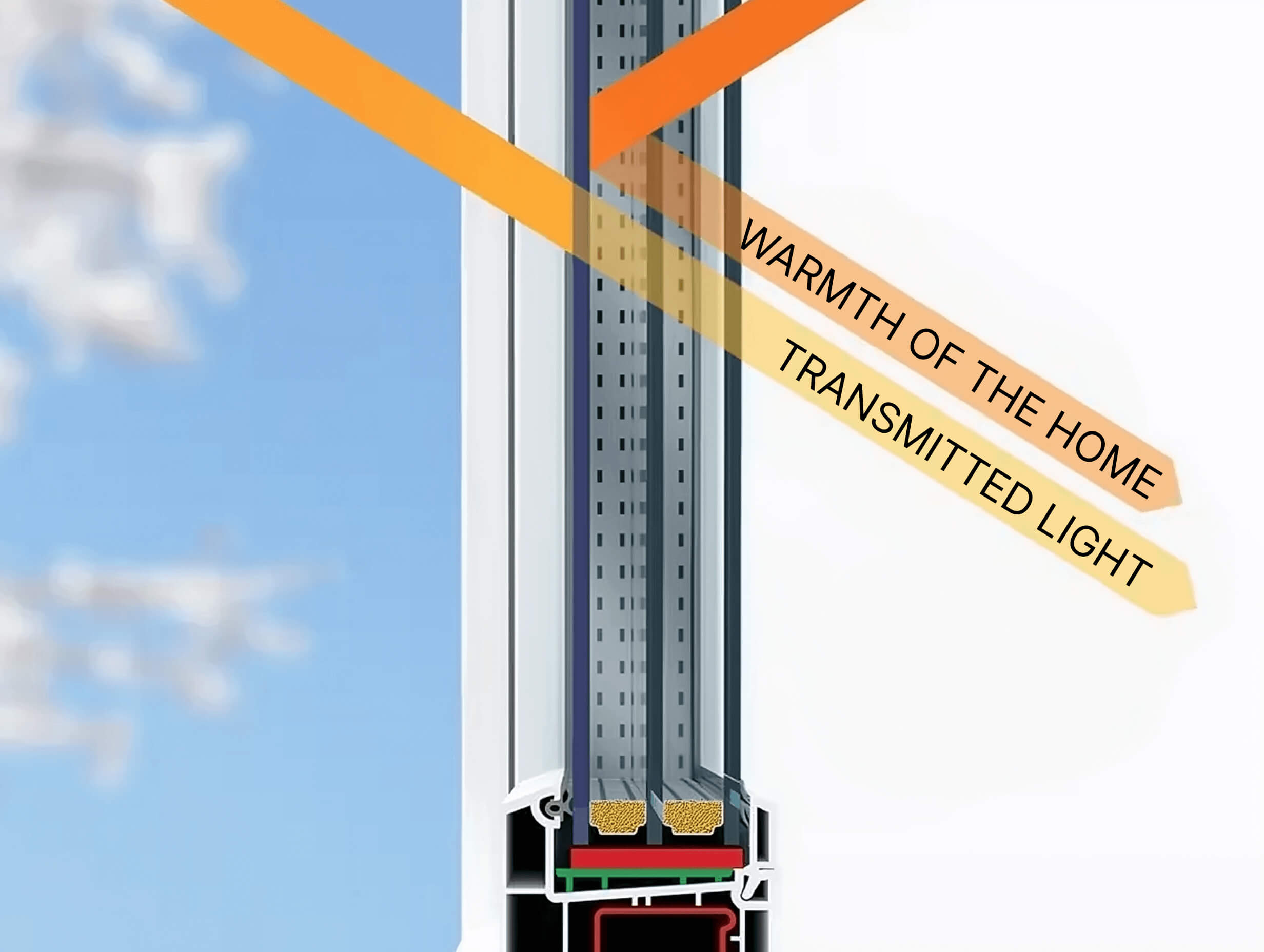
- Slim-profile / “heritage” double glazing. Sealed units only ~10–14 mm thick (versus 24 mm+ for standard double glazing), so they fit the narrow rebates of old wooden frames without bulking up the sightlines. They cut heat loss and noise far below single glazing.
- Vacuum glazing. An ultra-thin vacuum-sealed unit (a few millimetres) with excellent insulation — ideal where the frame is too slender even for slim double glazing. More expensive, but transformative in tight historic profiles.
- Acoustic laminated glass with an acoustic interlayer, kept thin, for old-town flats above busy streets — big dB gains without a visible change.
- Secondary glazing (doble ventana interior). A discreet second window mounted on the inside, invisible from the street, leaving the protected exterior window completely untouched. Often the easiest approval and excellent for both heat and noise.
- Low-iron / restoration glass where the look of old glass matters and the heritage body cares about reflections.
Matched to a faithful frame, these solutions can take a draughty single-glazed window from miserable to genuinely comfortable while satisfying the heritage department.
How the approval process works
Modernising a protected window is a permitted process, not a forbidden one — you just have to go through it:
- Confirm your protection level with the ayuntamiento (urbanismo / patrimonio).
- Prepare the proposal: what you want to do, with drawings or photos showing the frame, colour, divisions and glazing — demonstrating the exterior appearance is preserved.
- Apply for the licencia, which in a protected case usually means a full licencia de obra plus review by the heritage commission (Comisión de Patrimonio) — municipal and, for higher tiers like BIC, regional (the relevant Consejería de Cultura).
- Expect a longer timeline — weeks to several months — and possibly conditions (a specific colour, a required division pattern, a particular material).
- Keep the authorisation and documentation. You’ll want it for any future sale, and it’s often required to access heritage or energy-improvement grants.
A technician’s report (an architect or aparejador) is frequently needed; treat that as part of the budget. For the general permit mechanics shared with non-protected jobs, see our guide on the permits required to replace windows in Spain.
Dos and don’ts for historic windows
- Do confirm your protection grade before doing anything — it sets every other decision.
- Do prioritise solutions that keep the exterior identical: slim/vacuum glazing in faithful frames, or interior secondary glazing.
- Do budget more time and money than a standard swap — heritage work is slower and the materials (wood, slim units) cost more.
- Don’t install standard white PVC, single-sheet glass or external shutters in a protected façade — it’s the fastest route to a refusal or a removal order.
- Don’t start before approval. Unauthorised works in heritage zones carry higher penalties and a real risk of forced reinstatement.
- Don’t forget the comunidad de vecinos — in a protected apartment building, both heritage rules and community rules apply (see our guide on replacing windows in an apartment building).
How Estimia helps with heritage work
Heritage windows are a specialist job: faithful profiles, slim or vacuum glazing, the right colour, and a company that has dealt with a Comisión de Patrimonio before. On Estimia you can compare quotes from verified window companies near you, each vetted before it can receive an enquiry, including firms that do period-correct and conservation work. You get several comparable quotes side by side and can choose an installer who understands both the engineering of slim glazing and the paperwork of heritage approval — rather than risking a refusal with a contractor who only fits standard units.
Conclusion
In a BIC monument, a catalogued building or a conjunto histórico, your windows are protected because they define the façade — so you generally can’t change the material, colour or divisions, but you can transform the thermal and acoustic performance using slim-profile or vacuum glazing, modern seals, or invisible interior secondary glazing. Confirm your protection level, route the work through the heritage commission, and keep the documentation.
Compare verified window companies on Estimia and get several quotes side by side from installers experienced with protected buildings — the safest way to make a historic home warm and quiet without losing its character or breaking the law.