If your electricity bill spikes every July and August, the air-conditioning is the obvious culprit — but the deeper reason is usually the windows letting heat pour in faster than your AC can remove it. The same windows leak your heating in winter. In a typical Spanish home, windows are responsible for a large share of all the energy lost or gained through the building envelope, far out of proportion to the wall area they occupy. They are, quite literally, the holes in your insulation.
For homeowners and expats trying to tame Spanish energy bills — which have been volatile and high in recent years — this matters in euros, not abstractions. This guide explains how heat actually moves through a window, why Spain’s cooling load makes the g-value as important as the insulation value, how single, double and triple glazing really compare, what you can realistically expect to save after a replacement, how long the payback takes, and how grants and shading change the maths. Includes an indicative savings table.
How heat moves through a window
A window loses and gains energy three ways, and a good window controls all three:
- Conduction — heat passing straight through the glass and frame. This is what the Uw value measures.
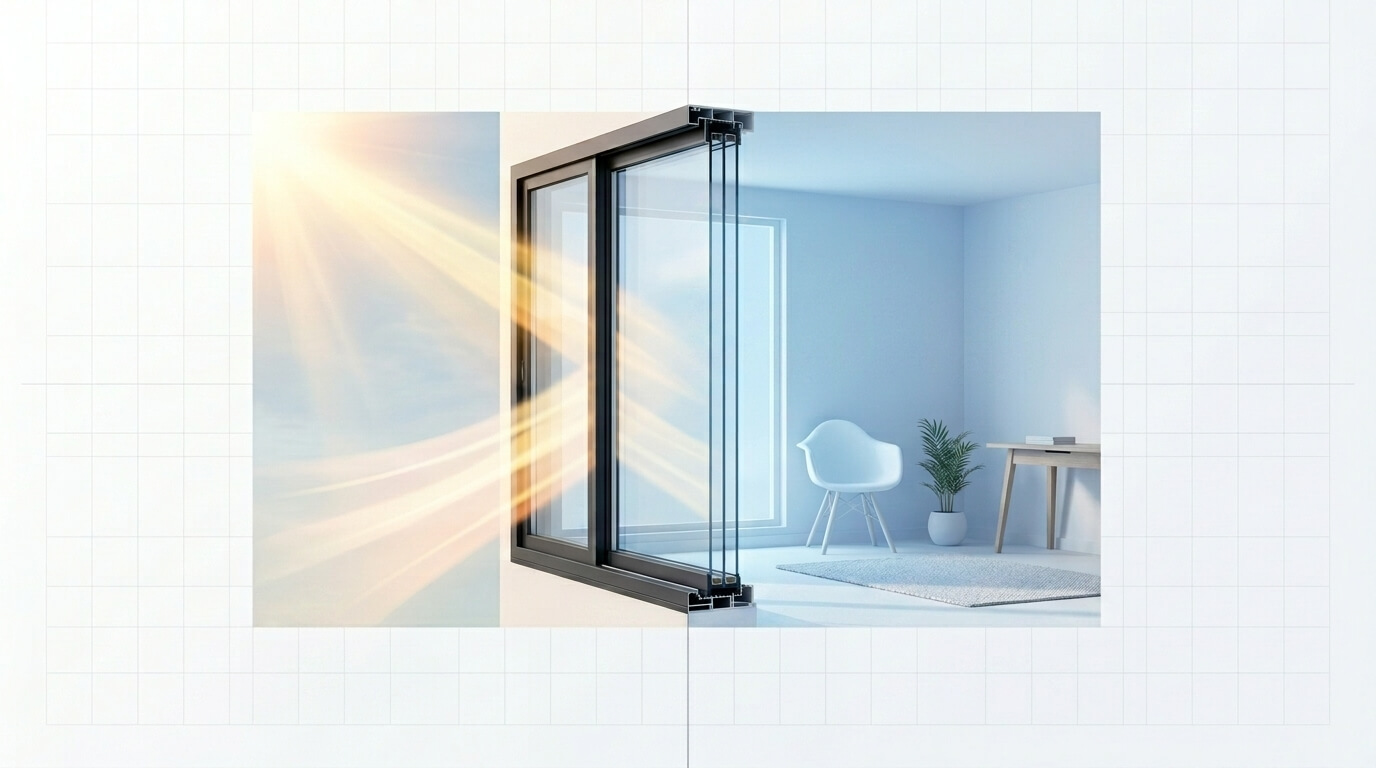
- Radiation — infrared heat (from the sun in summer, from your radiators in winter) passing through the glass. This is governed by the glass coatings and the g-value.
- Air leakage — warm or cool air escaping through gaps in the frame, gaskets and especially the installation joint.
In Spain the picture is two-sided in a way it is not in colder countries. In winter you want to keep heat in; in the long, hot summer across most of the country you want to keep solar heat out so the AC has less to fight. A window optimised only for winter (maximising solar gain) can make a Mediterranean or Andalusian home worse in summer. That tension is why two numbers matter, not one.
The two numbers that decide your bill
Uw value — insulation
The Uw value (whole-window thermal transmittance, W/m²K) measures how easily heat conducts through the entire window — glass, frame and spacer combined. Lower is better. It is the headline number for winter heating and for any heated/cooled space year-round.
- Old single-glazed aluminium with no thermal break: Uw 5.0–5.7 — terrible.
- Standard double glazing in a decent frame: Uw ≈ 1.6–2.2.
- Modern PVC with low-E double glazing: Uw ≈ 1.0–1.3.
- Triple glazing: Uw 0.7–0.9.
Our dedicated guide on the Uw value explains how to read it on a quote and why the frame can quietly ruin a good pane.
g-value (solar factor) — heat gain
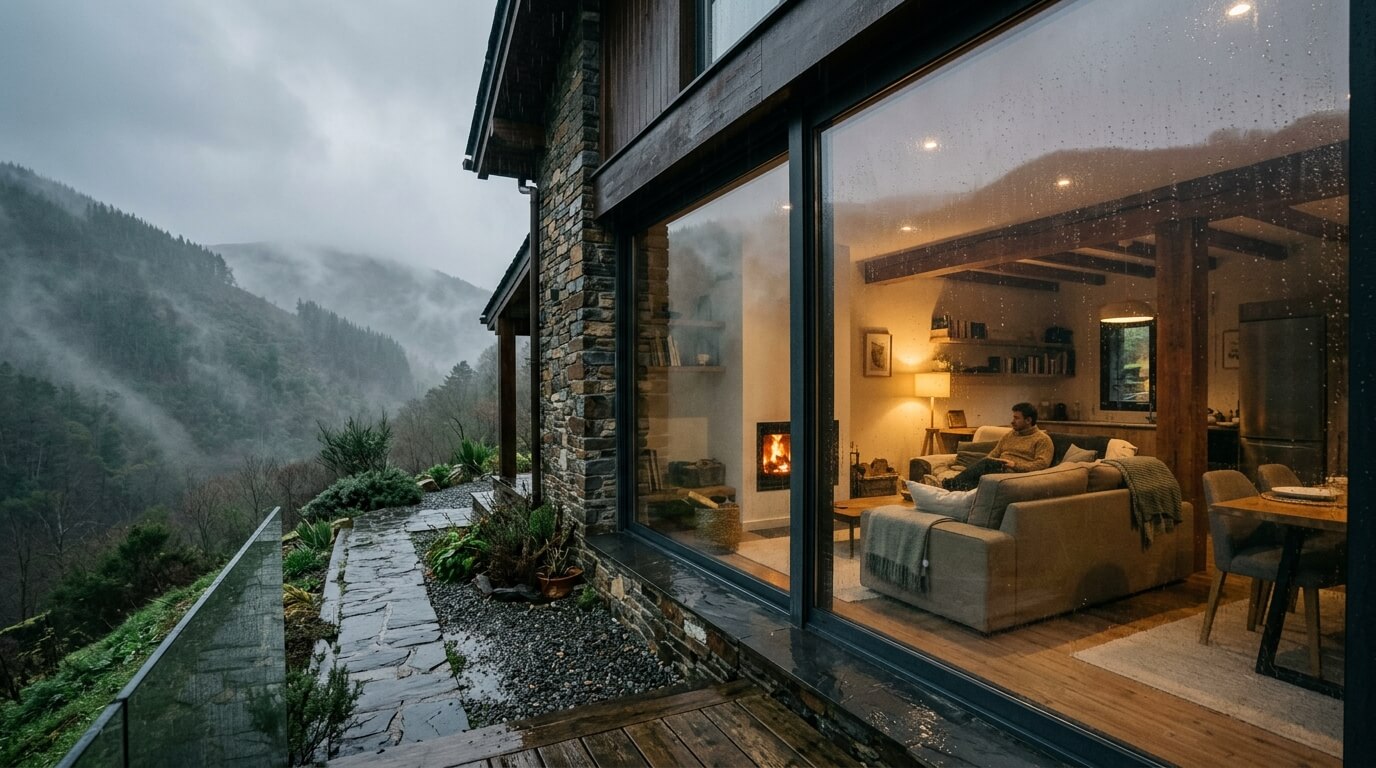
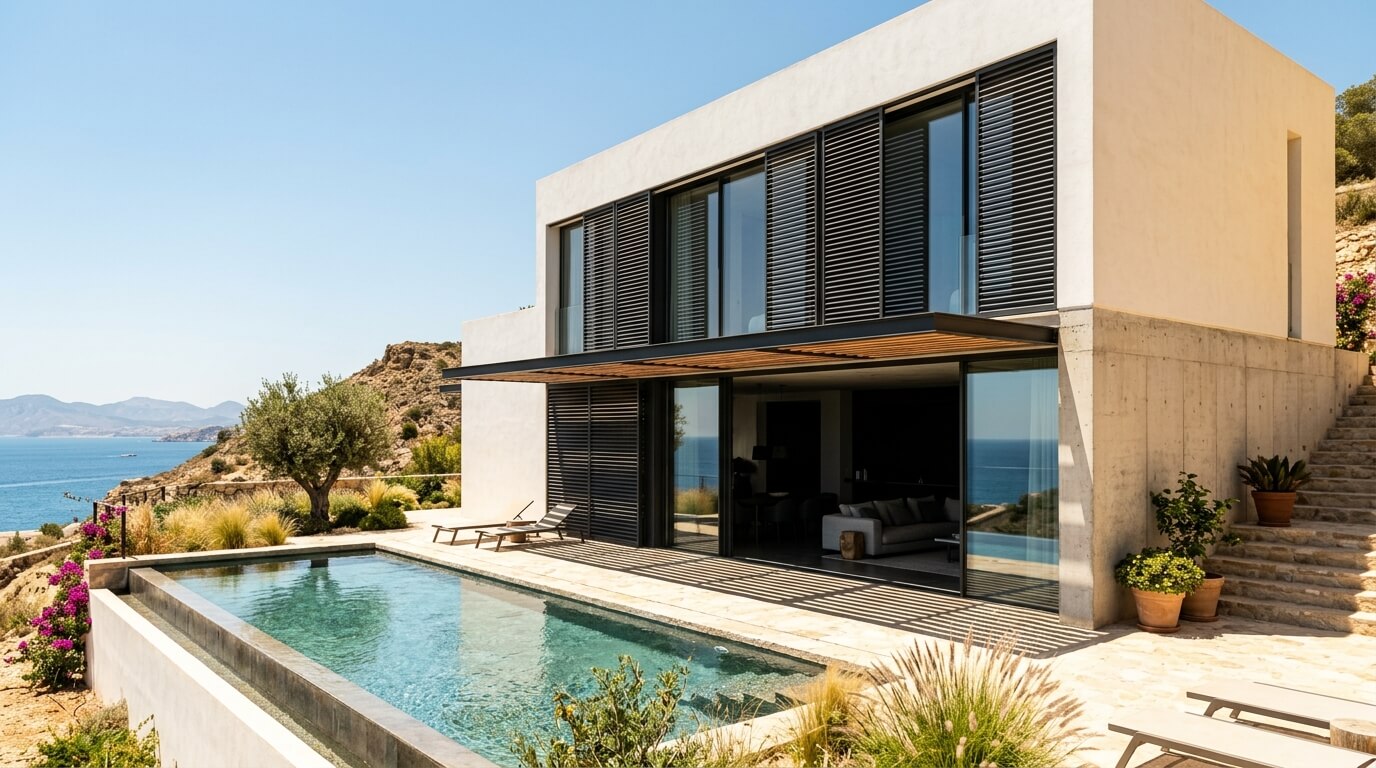
The g-value (or factor solar, 0 to 1) measures how much of the sun’s radiant heat passes through the glass. A high g-value lets solar heat in (good in cold-winter Galicia or the central meseta); a low g-value with a solar-control coating blocks it (essential on the Mediterranean coast, Andalusia, the Canaries).
This is the number Spanish homeowners most often overlook. In Seville or Alicante, a window with a low g-value and solar-control glass can cut summer AC load dramatically — sometimes saving more electricity than the insulation upgrade itself. The right balance depends on your climate zone: prioritise low Uw in the cold north and interior, and add low g-value solar control as you move toward the hot south and coast.
Single vs double vs triple glazing
| Glazing | Typical Uw | Best Spanish context | Bill impact vs single |
|---|---|---|---|
| Single glazing | 5.0–5.7 | None — replace it | Baseline (worst) |
| Standard double | 1.6–2.2 | Mild coast, budget upgrade | Large improvement |
| Low-E double + solar control | 1.0–1.3 | Most of Spain, hot south | Best value all-rounder |
| Triple glazing | 0.7–0.9 | Cold interior, Atlantic north | Best winter, often overkill on the coast |
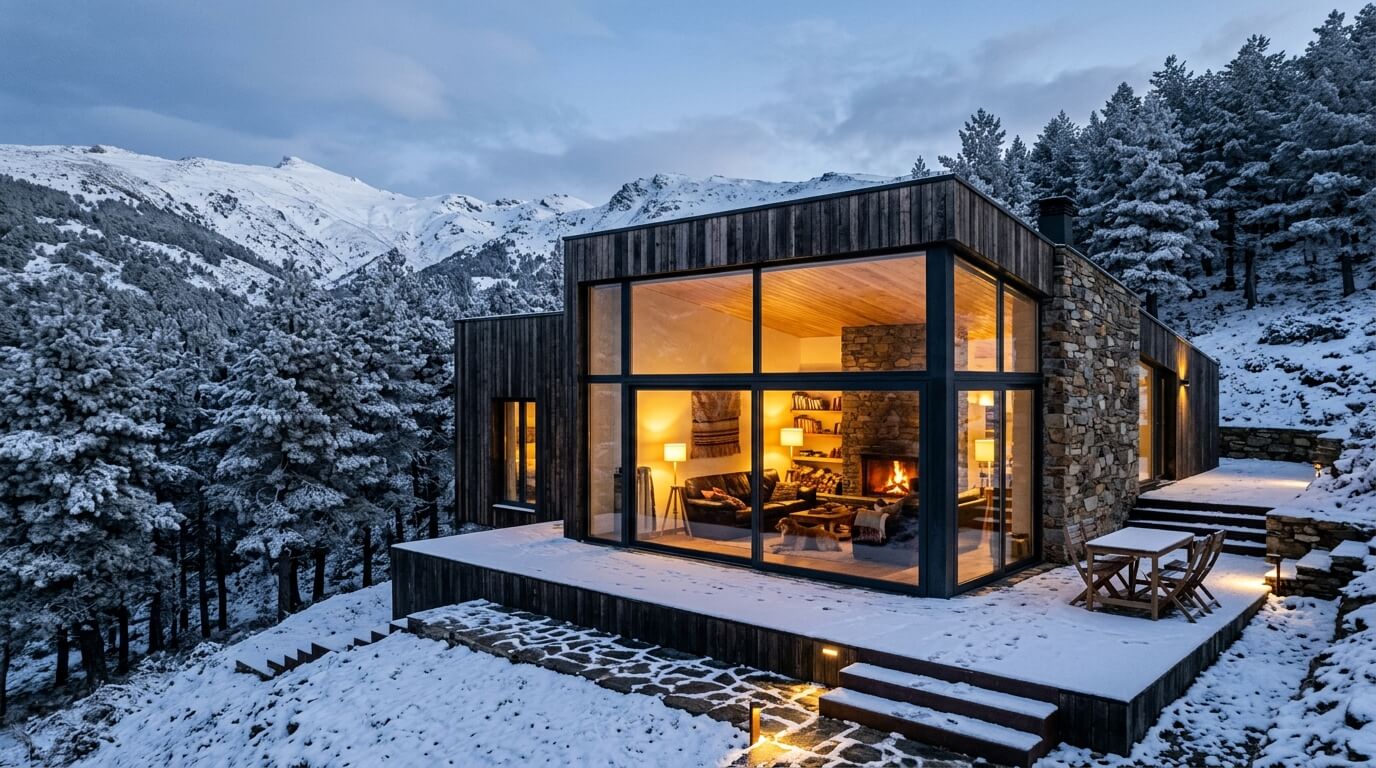
The practical takeaway: for the majority of Spain, low-E double glazing with the right g-value is the sweet spot. Triple glazing pays off in genuinely cold zones (the meseta, Galicia, the Basque Country, mountain areas) but rarely justifies its extra cost on the warm Mediterranean coast, where summer cooling, not winter heating, dominates the bill.
Realistic savings after replacement
Honesty matters here, because window salesmen quote wildly optimistic figures. The savings depend on what you start from, your climate and how you heat and cool the home. Sensible 2026 ranges:
| Starting point | Upgrade to | Realistic annual energy saving on heating + cooling |
|---|---|---|
| Single-glazed aluminium, no thermal break | Low-E double, PVC | 20–35% |
| Old double glazing, leaky frames | Modern low-E double, solar control | 10–20% |
| Decent double glazing | Triple glazing (cold zone) | 5–12% |
In euro terms, a home spending €1,200–€1,800 a year on heating and cooling and moving from single glazing to a modern low-E PVC system might save roughly €250–€500 a year, more in an extreme climate, less on the mild coast. These are heating-and-cooling savings — your total bill includes appliances and lighting that windows do not touch, so do not expect your whole bill to fall by a third.
Two caveats keep the numbers honest: savings are largest where the old windows were worst (single glazing has nowhere to go but up), and they assume a proper installation — a great window fitted with a leaky joint loses much of its benefit.
Payback period
Combine the cost of replacement with the savings and you get a payback. For a typical flat where windows cost €5,000–€8,500 installed (see our guide on the cost of replacing windows in Spain) and save €300–€450 a year, the simple payback on energy alone is roughly 12–20 years.
That sounds long — but it understates the case, because:
- Comfort, noise and condensation improve immediately and have real (if unpriced) value.
- Grants and tax deductions can cut the upfront cost substantially (below), shortening payback to well under ten years.
- Windows add resale value and improve the home’s energy certificate (certificado energético), which buyers and renters increasingly check.
If your only motive is to recoup money on electricity, windows are a slow payback. As a combined comfort-plus-savings-plus-value investment timed to catch the current grants, the case is far stronger.
Behaviour and shading — the free multipliers
Before and alongside new glazing, low- and no-cost measures stretch every euro:
- External shading beats internal shading. A persiana, awning (toldo) or external shutter stops the sun before it hits the glass; an internal blind only catches heat that is already inside. External shading is the single most cost-effective summer measure in Spain.
- Cross-ventilate at night in summer to flush hot air, then close up and shade during the day — the traditional Spanish rhythm, and it genuinely lowers AC use.
- Set the thermostat sensibly — every degree of AC costs roughly 6–8% more energy. 26 °C in summer and 20–21 °C in winter is comfortable and efficient.
- Seal obvious draughts around old frames while you save for replacement.
New windows and good habits compound: the glazing lowers the load, the behaviour lowers it further.
Grants and deductions (act before the 2026 deadline)
The economics improve sharply once you factor in public support, much of which is time-limited:
- IRPF tax deductions for energy-efficiency renovations let you deduct a percentage of the cost of works that improve the home’s energy performance, against your income tax — subject to demonstrating the improvement with energy certificates before and after.
- NextGenerationEU-funded renovation aid, channelled through programmes managed by the comunidades autónomas, has supported window and envelope upgrades — and much of this funding is scheduled to wind down by the end of 2026. If you are considering replacement, the grant window is closing.
Rules, percentages and deadlines vary by region and change frequently, so confirm the current terms for your comunidad and check eligibility before committing — but the headline is clear: 2026 is likely the last year of the most generous support, which materially shortens the payback.
Conclusion
Your windows quietly set the floor on your electricity bill: they decide how hard your heating works in winter and how hard your AC fights the sun in summer. The two numbers that matter are the Uw value for insulation and the g-value for solar heat — and in Spain, where cooling often dominates, getting the g-value right for your climate zone is just as important as the insulation. A jump from single glazing to modern low-E double glazing realistically trims 20–35% off heating and cooling costs; pair it with external shading, sensible habits and the grants that expire in 2026, and the payback becomes genuinely attractive rather than merely virtuous.
Compare verified window companies on Estimia and request several quotes side by side, specifying the Uw and g-value for your climate — getting like-for-like numbers from vetted installers is the surest way to turn an efficiency upgrade into real savings on your bill.