Triple glazing — three panes of glass with two insulating gas-filled chambers instead of the usual two panes and one chamber — is standard equipment across the Alps, Germany and Scandinavia. In much of Spain it is oversold; in a few regions it is genuinely the right call. The difference is climate. This guide cuts through the marketing so you know when a third pane buys you real comfort and a lower heating bill, and when it just adds weight, cost and a salesperson’s margin.
Because the honest answer depends on where your home is and which way it faces, Estimia lets you request and compare quotes from verified window companies that work in your province — so you can see double-glazed and triple-glazed options side by side and judge the price difference for yourself, rather than being pushed toward whatever carries the bigger markup.
What triple glazing actually is
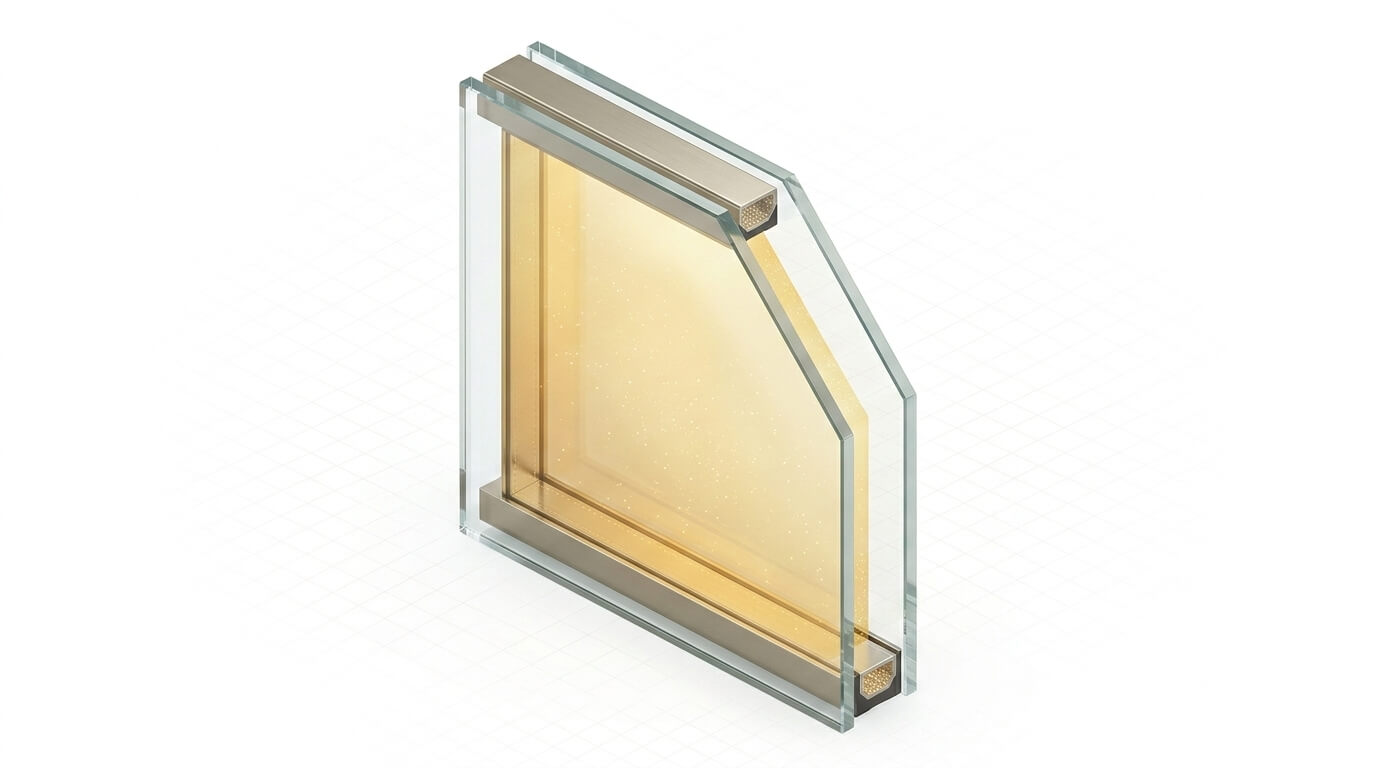
A standard modern window is double glazing: two panes separated by a sealed cavity filled with argon, usually with a low-emissivity (low-e) coating on one internal face. Triple glazing adds a third pane and a second cavity, typically with low-e coatings on two surfaces and argon (or occasionally krypton) in both chambers.
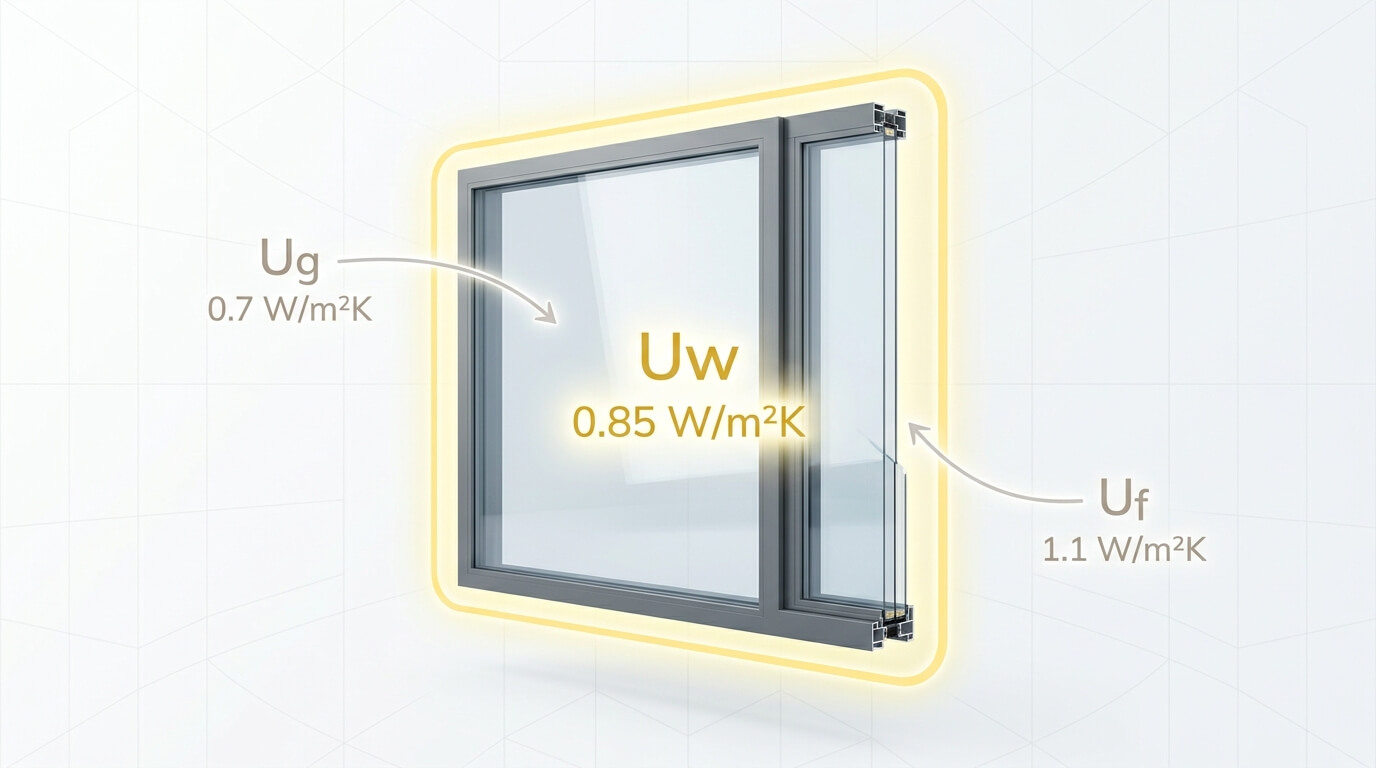
The headline number is the Uw value — the whole-window heat-loss rate in W/m²·K, where lower is better. Roughly:
- Good double glazing: Uw ≈ 1.1–1.4 W/m²·K
- Triple glazing: Uw ≈ 0.7–1.0 W/m²·K
So a third pane improves insulation by something like 25–40%. Whether that improvement is worth paying for is the entire question — and the answer is decided by your climate, not by the spec sheet. Our companion guide What Is the Uw Value of a Window explains the metric in full.
Where triple glazing pays off in Spain
Spain’s building code (CTE DB-HE) divides the country into winter climate severity zones from α (mildest) to E (most severe). The colder the zone, the lower the maximum Uw the code allows — and the more a third pane earns its keep.
It makes sense in:
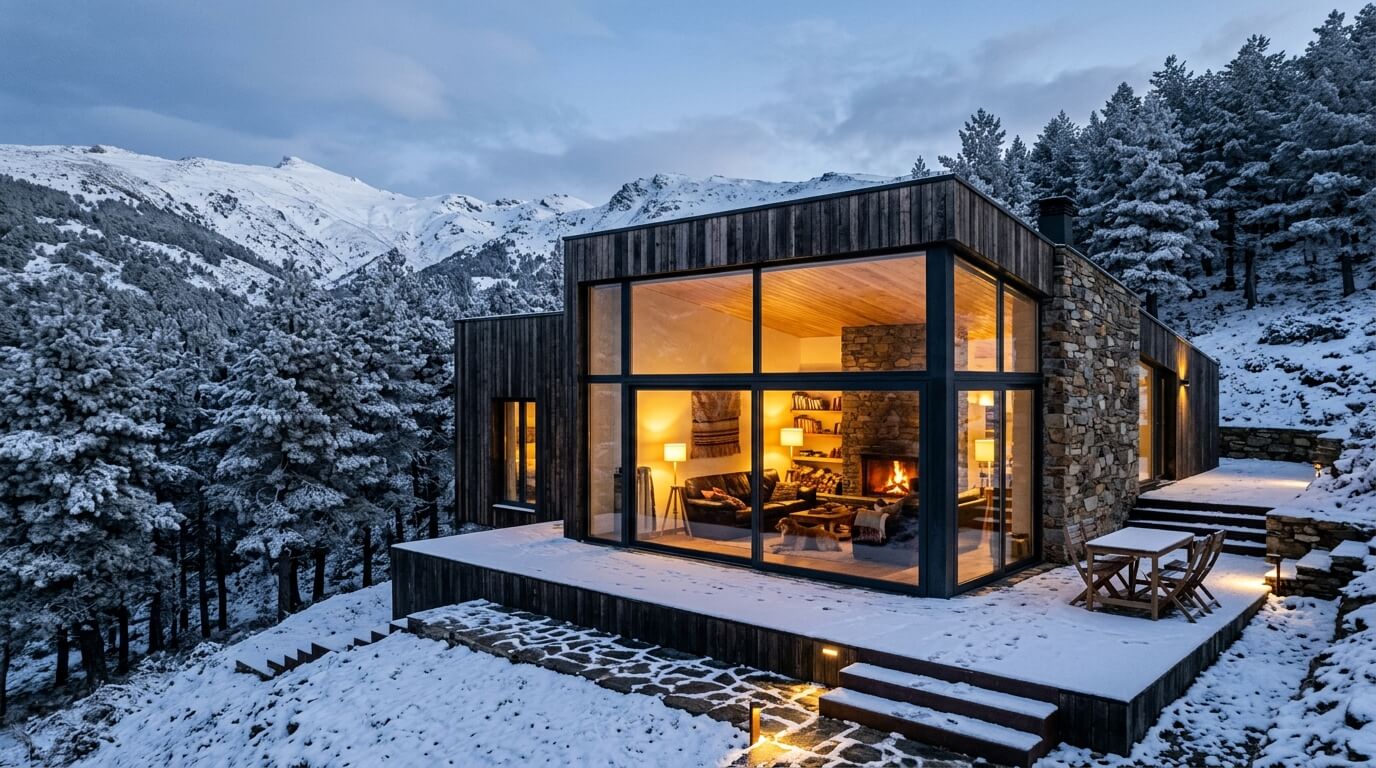
- Climate zones D and E — the cold interior and the mountains. Think Burgos, Soria, Ávila, León, Teruel, the high parts of Madrid, the Pyrenees and the Sierra Nevada foothills. Here winters are long and genuinely cold, the heating runs for months, and the extra insulation pays back in comfort and lower bills.
- Homes targeting near-Passivhaus performance anywhere — triple glazing is effectively mandatory to hit those airtightness and U-value targets.
- Rooms with very large glazed areas in cold zones, where even a modest per-m² heat loss adds up.
For these locations, see our regional guides Windows for Mountain and High-Altitude Homes and Windows for Inland Spain, which go deeper on the rest of the specification.
Where it is usually a waste of money
Skip it (double glazing with a good low-e coating is plenty) in:
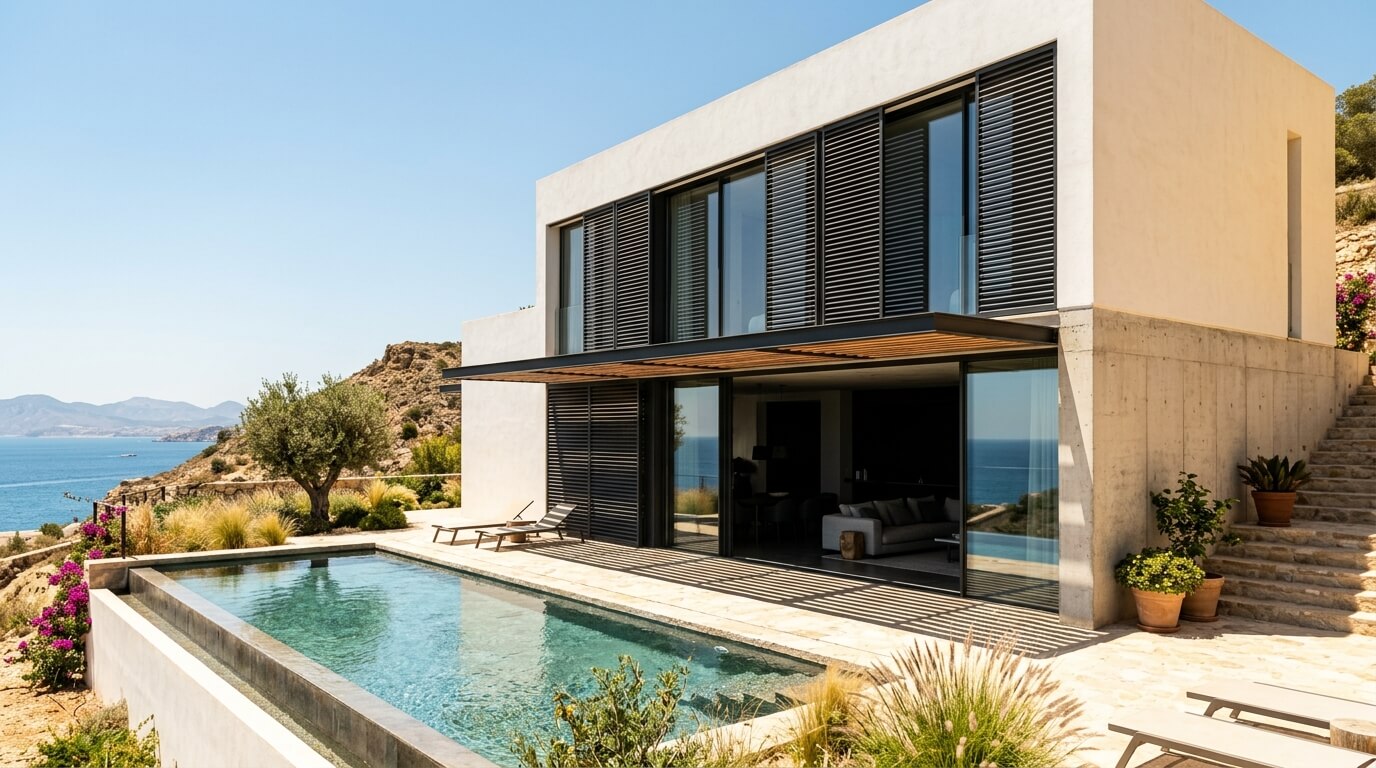
- The Mediterranean coast and the south — zones A and B (Alicante, Valencia, Málaga, the islands). Winters are mild; your problem is keeping heat out in summer, not in during winter. Money spent on a third pane is far better spent on solar-control glazing — see Sun-Protection Technologies for Windows and How to Stop Your Home Overheating in Summer.
- The Canary Islands — subtropical, almost no heating season. Triple glazing there is close to pointless.
- Mild Atlantic zone C locations where the marginal gain rarely repays the cost; a quality double unit usually wins on value.
A useful rule of thumb: if your annual heating bill is small, the payback period on triple glazing stretches to decades — longer than the warranty. The third pane only earns out where the heating season is long and cold.
The hidden trade-offs nobody mentions
Triple glazing is not a free upgrade beyond price:
- Weight. Three panes are roughly 50% heavier than two. That demands stronger frames and beefier hardware, especially on large opening sashes and sliding doors — which adds cost and can affect sightlines.
- Lower solar gain. The extra pane and coatings reduce the g-value (solar heat let in). In a cold climate that is a minor downside; on a sunny south façade where you want free winter warmth, it can be counterproductive.
- Frame must match the glass. Fitting a 0.7 Uw triple unit into a cheap frame is pointless — the frame becomes the weak link. Triple glazing only makes sense in a good insulating profile (a high-chamber PVC system or thermal-break aluminium). Our guide PVC or Aluminium Windows covers the frame side.
Double vs triple glazing at a glance
| Factor | Double glazing (argon, low-e) | Triple glazing |
|---|---|---|
| Typical Uw | 1.1–1.4 W/m²·K | 0.7–1.0 W/m²·K |
| Best for | Most of Spain (zones α–C) | Cold interior & mountains (zones D–E) |
| Winter comfort | Good | Excellent (no cold radiant surface) |
| Summer benefit | Neutral | Marginal — solar control matters more |
| Weight / hardware cost | Standard | Heavier; needs stronger frame & fittings |
| Cost premium | Baseline | Roughly +15–30% per window |
What to specify if you do go triple
If you are in a cold zone and triple glazing is justified, ask the installer for:
- Two argon-filled chambers (krypton only if cavity space is tight — it performs in narrower gaps but costs more).
- Two low-e coatings, with the g-value chosen for orientation — slightly higher on south-facing glass to capture winter sun, lower on shaded façades.
- A warm-edge spacer (not aluminium) to cut condensation and cold-edge effects at the glass perimeter.
- A frame rated to carry the weight: a quality high-chamber PVC profile or thermal-break aluminium, with hardware uprated for the heavier sash.
- A whole-window Uw quoted on the offer — not just the centre-pane Ug, which always looks better than the real installed figure.
How to compare quotes without overpaying
The triple-glazing decision is exactly where homeowners get pushed into the wrong spec. The defence is like-for-like comparison:
- Ask each company for both a good double-glazed option and a triple-glazed option, with the Uw and g-value stated for each.
- Check the price gap is proportionate — a fair triple-glazing premium is roughly 15–30% per window, not double the price.
- Confirm the frame and hardware are uprated for the heavier glass, so you are comparing complete, buildable specs.
On Estimia every company is vetted before it can receive your enquiry, so you are comparing installers who can explain why they recommend two panes or three for your specific province and orientation — not just the lowest number on the page.
Conclusion
Triple glazing is brilliant in the cold interior and the mountains, marginal in the mild Atlantic north, and largely a waste on the Mediterranean coast and the islands where solar control matters far more. Match the glazing to your climate zone, keep the frame and hardware in proportion to the glass, and always compare a double-glazed and a triple-glazed quote side by side. Get several like-for-like offers from verified companies on Estimia and let the numbers — Uw, g-value and a proportionate price gap — make the decision for you.