Anyone who has spent a summer night near the Mediterranean knows the trade-off: open the window for a breeze and invite the mosquitoes in, or stay sealed and sweat. A well-chosen mosquitera removes the choice entirely — fresh air all night, no bites, no buzzing. But “mosquito net” covers half a dozen quite different products, and the right one depends almost entirely on how your window or door opens. Pick the wrong type and you get something that jams, sags, snags on the handle or ruins the view; pick the right one and you barely notice it is there.
This guide compares the main types of mosquitera sold in Spain, the mesh materials and colours that affect visibility and durability, what to expect on installation, maintenance and price, and — most usefully — how to match the type to your opening. Estimia lists verified companies that supply and fit them, so once you know what you need you can compare quotes rather than guess.
Why mosquiteras matter more on the Spanish coast
Mosquitoes are a far bigger nuisance along the Mediterranean and Atlantic coasts, in wetland areas (the Levante, the Ebro delta, Andalusian river valleys) and anywhere humid and warm. The tiger mosquito (mosquito tigre), now established across much of eastern and southern Spain, bites during the day as well as at dusk and breeds in tiny pools of standing water — so screens matter all season, not just at night. Inland and in the cooler north the pressure is lower but rarely zero. If you keep windows open for ventilation (and most Spanish homes do, to manage summer heat without constant air-conditioning), a mosquitera is one of the cheapest comfort upgrades you can make.
The main types of mosquitera
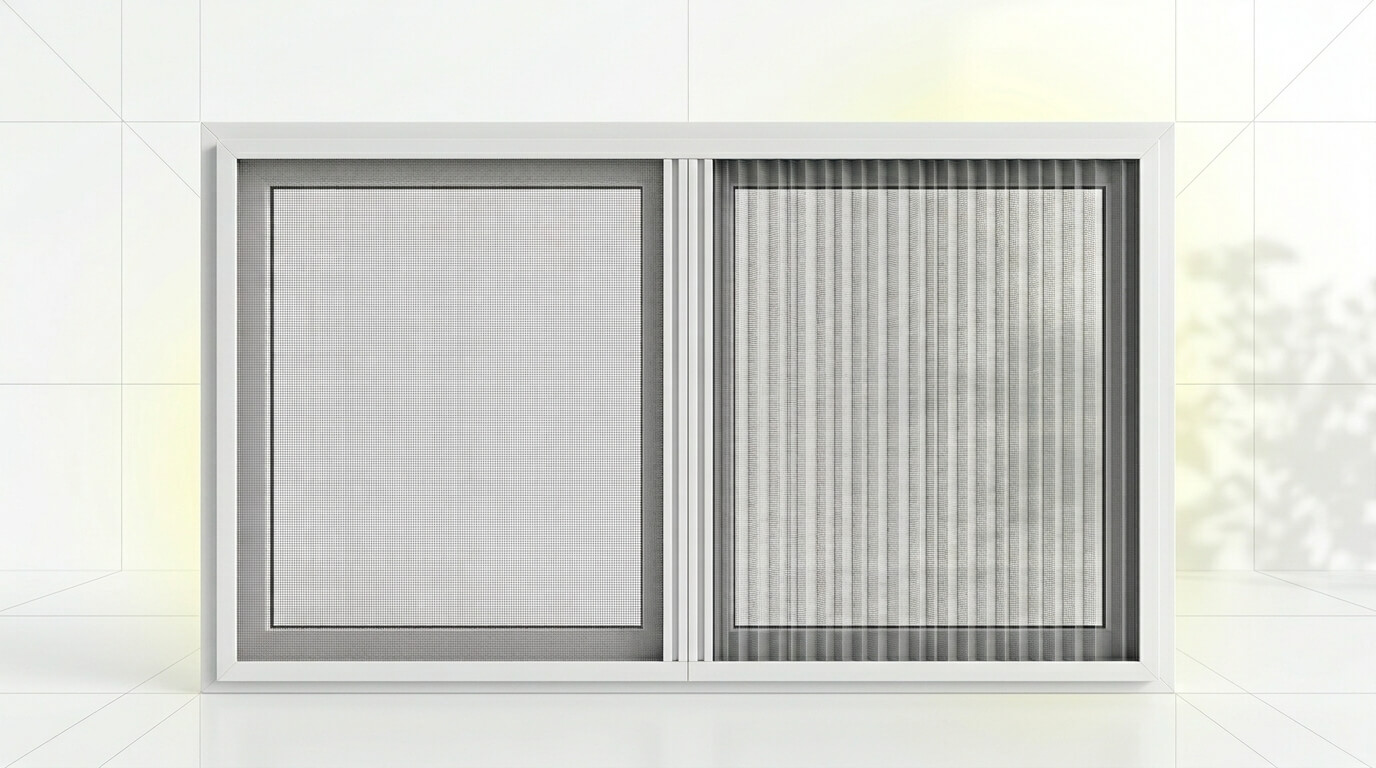
There are five common formats. The four you will meet most often each suit a different way of opening a window or door — here they are at a glance before we go through them one by one:
Fixed / frame (fija o de marco)
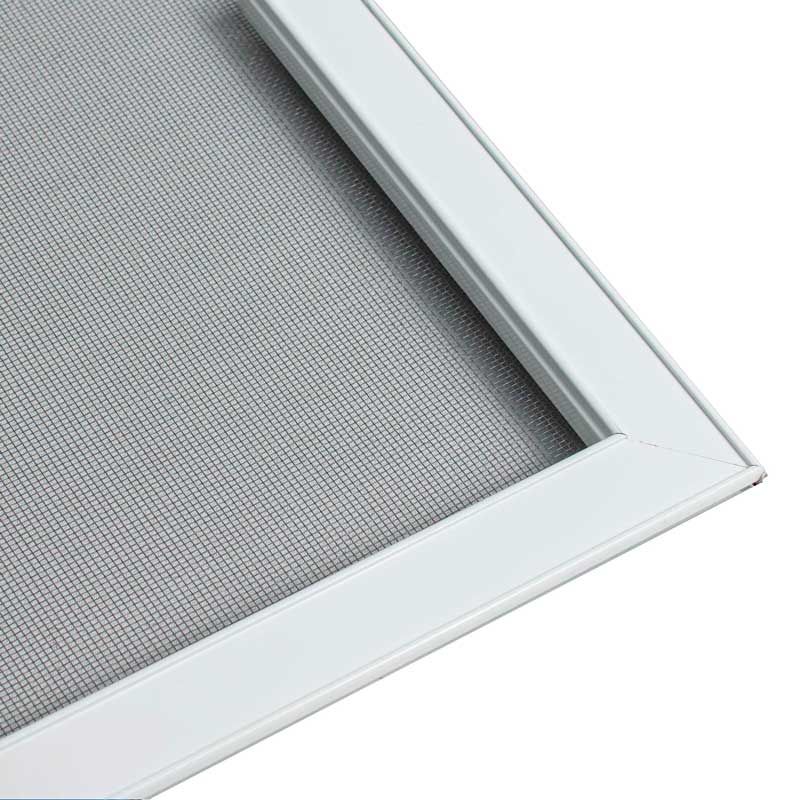
A rigid frame with mesh stretched across it, fitted into or over the window opening. It is the simplest and cheapest option and the most robust, with nothing to wear out.
- Best for: windows you open inward (tilt-and-turn / oscilobatiente) or that you don’t need to reach through often; cellar and bathroom windows.
- Pros: lowest cost, durable, taut mesh, good visibility.
- Cons: permanent; must be removed to clean the outside of the glass; not suited to outward-opening or sliding leaves you pass through.
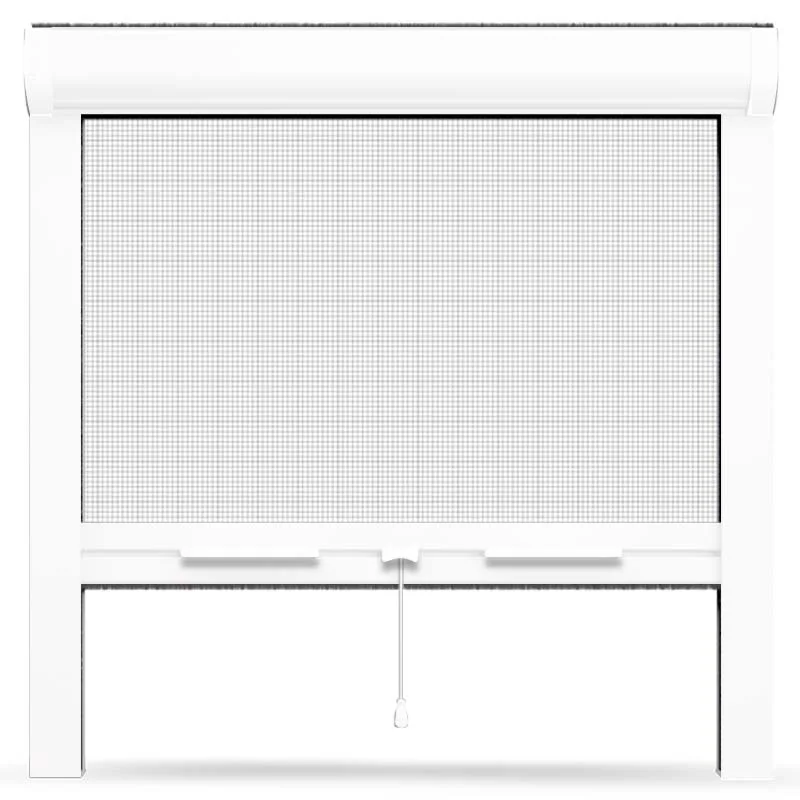
Roller / retractable (enrollable)
The mesh rolls up into a top or side cassette when not needed, like a blind, held by a spring or a chain/guided system. Very popular in Spain because it is out of the way in winter and discreet.
- Best for: casement and tilt-and-turn windows, and doors (vertical roll-down or side-roll versions).
- Pros: retracts fully, protects the mesh, tidy look, can match frame colour.
- Cons: dearer than fixed; the spring mechanism can wear; in strong coastal wind the mesh can pop the guide rail unless it is a quality system.
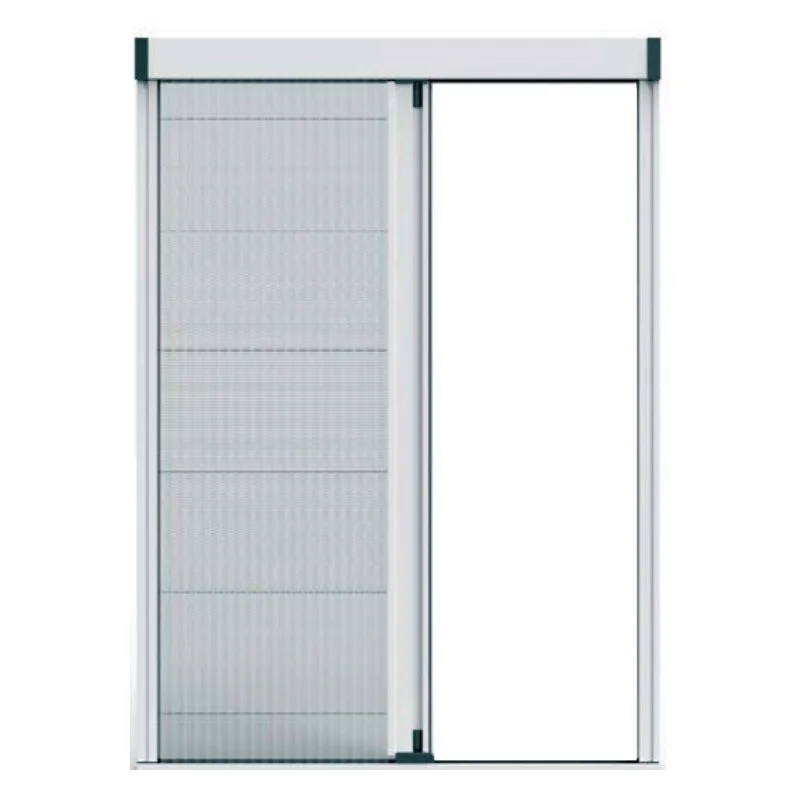
Pleated / plissé (plisada)
The mesh folds like an accordion and slides along a track. It needs no spring tension, glides with a light touch and handles very wide openings that would overwhelm a roller.
- Best for: large sliding doors, terrace openings, wide passages, and anywhere you want a gentle, child-friendly action.
- Pros: handles big spans, soft operation, no tension fatigue, stays where you leave it.
- Cons: higher price; the bottom track sits on the floor (a low threshold) which some find a trip line; pleats need occasional cleaning.
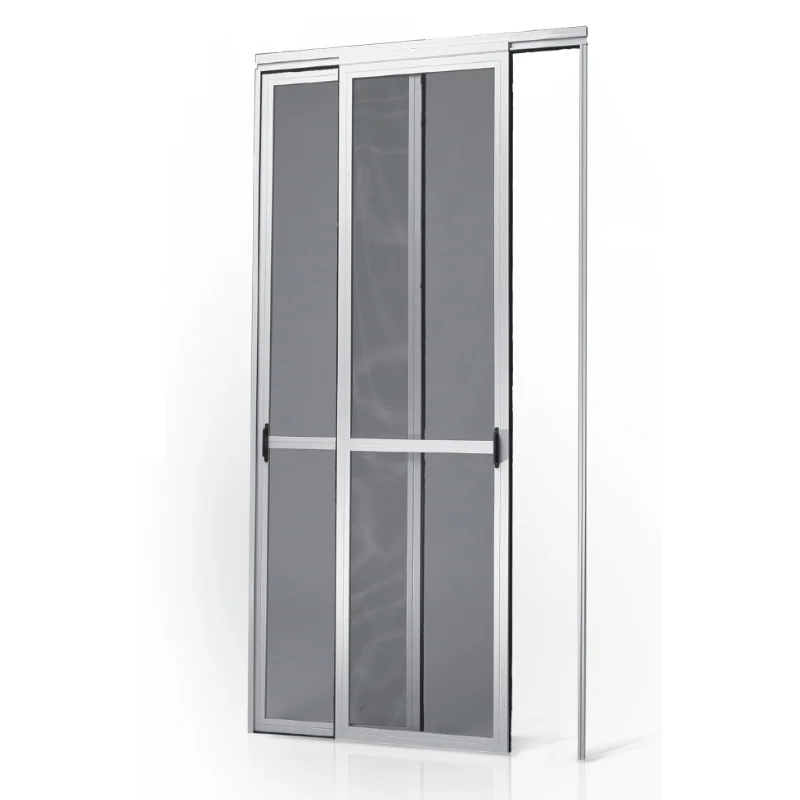
Sliding (corredera)
A framed mesh panel that slides on a track, mirroring the window or door it protects. The natural match for sliding windows and doors (ventanas/puertas correderas).
- Best for: corredera windows and patio sliders — it moves the same way the glass does.
- Pros: intuitive, robust, good for daily-use door openings.
- Cons: takes a track and a parking space alongside the opening; lower-quality rollers can stiffen over time.
Hinged / swing door (abatible / puerta)
A framed mesh door on hinges, often with a self-closing spring and a magnetic catch, for hinged doors you walk through with your hands full.
- Best for: kitchen and terrace hinged doors, especially with pets.
- Pros: opens like a normal door, self-closes, sturdy.
- Cons: needs swing clearance; more hardware to maintain.
Matching the type to the opening
This table is the quickest way to narrow the choice:
| Your opening | Best mosquitera type(s) | Why |
|---|---|---|
| Tilt-and-turn / casement window | Roller or fixed frame | You open inward; net sits on the outside |
| Sliding window (corredera) | Sliding panel | Moves the same way as the glass |
| Sliding terrace door (large) | Pleated (plissé) or sliding | Pleated handles wide spans gently |
| Hinged door (you walk through) | Hinged mesh door | Self-closing, walk-through |
| Small / bathroom / cellar window | Fixed frame | Cheapest, most robust |
| Very wide opening (>2.5 m) | Pleated | Designed for big spans |
Know the opening, know the net. Once you have matched the type to your window, build it into a quote in about a minute with our cost calculator and compare verified mosquitera suppliers side by side.
Mesh materials
The mesh (“tela”) matters as much as the frame. The standard fibreglass mesh suits most homes, but two upgrades solve specific problems — claws and pollen.
Pet-resistant mesh (antimascotas)
Thicker, stronger polyester strands resist claws and pushing — essential where a cat sits on the sill or a dog leans on the net. The denser weave is almost impossible to tear, but it is a little less transparent than standard fibreglass. The obvious choice for ground-floor terrace doors in a home with animals.
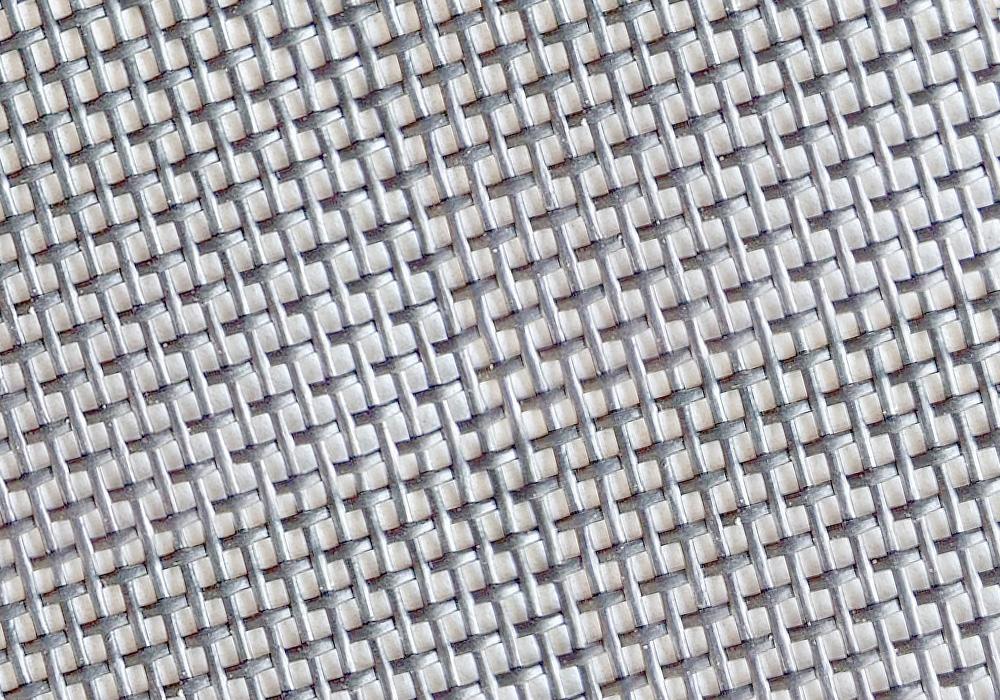
Fine / pollen mesh (antipolen)
A tighter weave that stops tiny insects, pollen and sand — a real relief for hay-fever sufferers and on dusty, sandy coastal plots. The trade-off is that it cuts airflow and visibility, so it is best fitted only where you need it (a bedroom window) rather than throughout the house. Micro-mesh variants sit between standard and full pollen mesh for a milder compromise.

For everything else, fibreglass (fibra de vidrio) is the default: coated, flexible, doesn’t crease permanently, good visibility and low cost. Aluminium mesh is more rigid and durable — useful in exposed, windy coastal spots — but it can dent and costs more.
Colours and visibility
Mesh colour changes how much you see through it:
- Grey/anthracite mesh is the least visible from inside looking out — it reduces glare and “disappears” against a bright exterior. Usually the best choice for views.
- Black mesh gives strong outward visibility too and hides dirt well.
- White mesh is more visible and can look like a faint veil; it suits white frames aesthetically but slightly dims the view.
- Frames come in standard white, brown, anthracite grey and anodised aluminium, and most makers offer RAL colour matching to your window frames for a few euros more — worth it so the mosquitera blends in.
Installation
Most mosquiteras fit without drilling into the frame where possible — clipped or fitted into the window’s existing rebate or with a slim outer frame — which matters for tenants and for keeping window warranties intact. Fixed and roller types are usually a quick fit; pleated and large door systems need accurate measuring of the track run and threshold. Precise measurement is the single biggest factor in whether the net works smoothly, so even DIY-friendly products are often best measured and fitted by a supplier for anything beyond a small fixed frame. In a flat, anything fixed to the façade may need a nod from the comunidad, though most interior-rebate fittings do not.
Maintenance
Mosquiteras are low-fuss:
- Vacuum or brush the mesh a few times a season; rinse with water for coastal salt and dust.
- Keep roller and sliding tracks clear of grit so they don’t stiffen.
- Check spring tension and magnetic catches on roller and door types yearly.
- Retract or remove roller nets over winter to extend mesh life if your system allows.
A good net lasts many years; the mesh outlives the mechanism, and most cassettes can be re-tensioned or re-meshed rather than replaced wholesale.
What they cost in Spain (2026)
Indicative supply-and-fit ranges per unit (standard window size unless noted):
| Type | Typical installed price | Notes |
|---|---|---|
| Fixed frame | €25–60 | Cheapest, small windows |
| Roller (window) | €60–130 | Most popular all-rounder |
| Sliding panel | €50–110 | For corredera windows |
| Pleated (window) | €90–180 | Soft action, dearer |
| Pleated (large door) | €180–400+ | Wide spans, per metre of run |
| Hinged mesh door | €120–300 | Walk-through, self-closing |
Upgrades like pet-resistant or pollen mesh, RAL colour matching and oversized spans add to these. Prices vary by size, mesh and region, so as with windows themselves the sensible move is to compare a few itemised quotes rather than rely on a single figure.
How to choose, in short
Start with the opening type — it usually dictates the mosquitera type outright. Then pick the mesh for your situation (standard fibreglass for most, pet-resistant if you have animals, fine mesh for pollen or no-see-ums on the coast), choose a grey or anthracite colour if the view matters, and match the frame colour to your windows. For wide terrace doors, lean toward pleated; for everyday windows, a roller is the comfortable default; for the tightest budget on a small window, a fixed frame is hard to beat.
On Estimia you can request and compare quotes from verified window and mosquitera companies near you — every listed company is vetted before it can receive enquiries — so you can line up types, mesh upgrades and colour-matched frames side by side and pick the one that actually fits your opening and your budget.