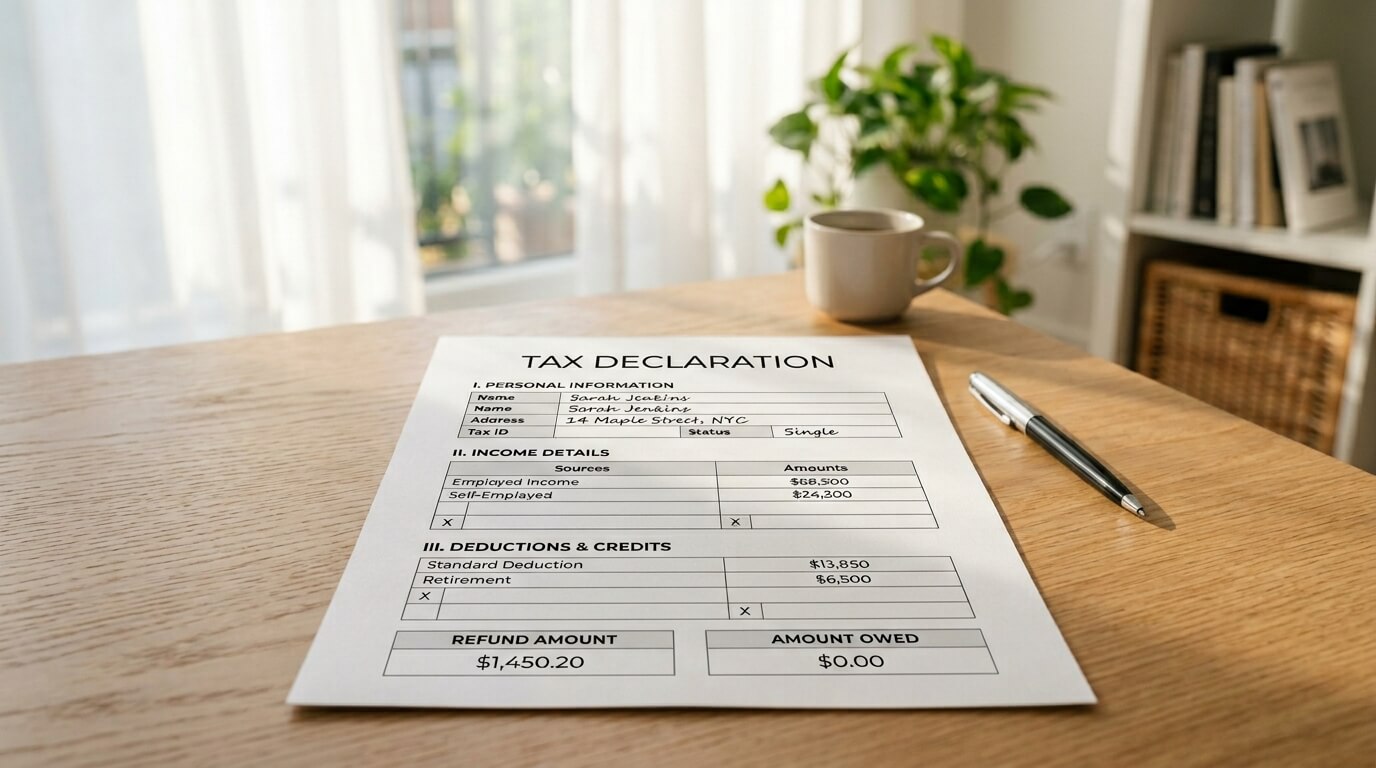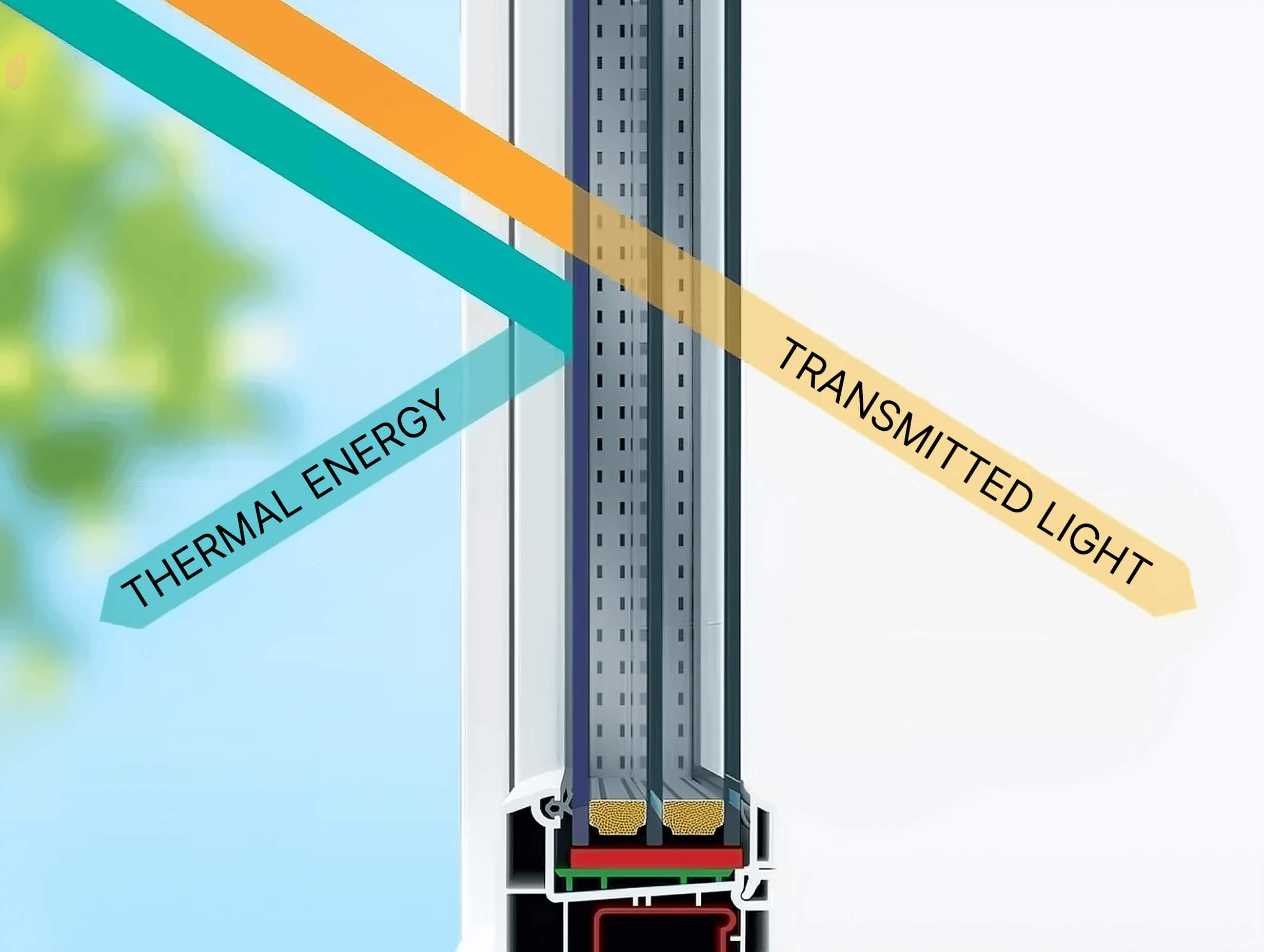
Most people replacing their windows in Spain don’t realise the state will pay back a large chunk of the bill. Not a grant you queue for — a deduction on your IRPF income-tax return, claimed the year the works are certified. For an energy-efficient upgrade it can be 20%, 40% or 60% of what you spent. The catch is that, for individual homes, the scheme expires on 31 December 2026 — and the paperwork has a trap that disqualifies a lot of last-minute jobs.
This guide is the practical version: which tier you qualify for, what each one actually requires, and how to estimate your refund before you commit.
Estimate your real final cost
The deduction rarely travels alone — a regional grant can stack on top of it. The calculator below shows your honest final cost after both, with the eligibility rules built in (second homes and the foral regions are handled correctly).
What will it really cost you?
A grant and the IRPF deduction can stack on the same window project. See your honest final cost.
Your honest receipt
- Illustrative estimate, not tax advice — the grant depends on the saving achieved, dwelling size and your region's open call.
- Both refunds need an energy certificate (CEE) before and after the works; the grant is netted out of the IRPF base.
- The IRPF deduction for dwellings runs until 31 December 2026.
Sources
- European Commission — Energy Performance of Buildings Directive — Residential −16% by 2030 and −20–22% by 2035; ≥55% from worst-performing homes; zero-emission new buildings.
- Directive (EU) 2024/1275 — EUR-Lex — Full legal text; in force 28 May 2024; transposition by 29 May 2026.
- Agencia Tributaria — Deducciones por eficiencia energética — The 20% / 40% / 60% IRPF deductions, bases, requirements and deadlines.
- CTE DB-HE — Código Técnico de la Edificación — Maximum window U-value and air-permeability limits by climate zone.
Figures last verified 15 June 2026. Data licensed CC BY 4.0 — reuse with attribution.
The three tiers, in plain language
All three apply to the same kind of work — improving a home’s energy performance, which explicitly includes replacing windows — but they reward different outcomes:
| Tier | What the works must achieve | Max base / year | Max back / year |
|---|---|---|---|
| 20% | Cut the home’s combined heating + cooling demand by ≥ 7% | €5,000 | €1,000 |
| 40% | Cut non-renewable primary energy by ≥ 30%, or reach class A/B | €7,500 | €3,000 |
| 60% | Whole-building renovation hitting the same target as the 40% tier | €5,000/yr (up to €15,000 over 4 yrs) | €3,000/yr |
For a typical flat or house, the 40% tier is the one to aim for — and a good window upgrade, especially paired with other measures, can realistically get a home to class A/B. The 60% tier is for communities of owners renovating a whole building, where your deduction is calculated by your share (coeficiente de participación).
The certificate trap
This is what catches people out. Every tier requires a registered energy performance certificate (CEE) — and you need two of them:
- Before the works, to establish the starting point.
- After the works, to prove the improvement (the ≥7% demand cut, the ≥30% primary-energy cut, or the A/B class).
If you replace your windows without a before certificate, you cannot prove the improvement — and the deduction is gone, no matter how good the windows are. So the order of operations is: get the before-CEE, do the works, get the after-CEE, then claim.
Two more conditions trip people up:
- Pay by traceable means. Card, bank transfer or cheque. Cash payments do not qualify.
- Subsidies reduce the base. If you also receive a public grant for the same works, the deductible base is reduced by that amount — you can’t double-count the same euro.
The deadline is closer than it looks
For dwellings, the works must be paid for by 31 December 2026, and the post-works certificate issued before 1 January 2027. (Whole-building works under the 60% tier run a year longer — to the end of 2027.)
That sounds like plenty of time, but a window project has a chain: get the before-CEE → measure and order → manufacture → install → get the after-CEE. Custom windows can take weeks to produce, and a technician has to be booked for each certificate. An order placed in autumn 2026 is cutting it fine. If you want the 40% back, the realistic window to start is now.
Worth knowing: the deduction is separate from regional grant programmes (some autonomous communities run their own subsidies for window replacement). You can often combine them — just remember the subsidy reduces the deductible base. We cover the grant landscape in The Ultimate Guide to Window Replacement Grants.
Why the state is paying you to do this
This isn’t generosity — it’s policy. The EU’s revised energy directive (the EPBD) requires Spain to cut the average primary energy use of its housing stock, with most of that cut coming from the worst-performing homes. Tax deductions are the carrot that makes private owners renovate without a per-home mandate. In other words, the 40% is the government sharing the cost of a transition it’s obliged to deliver — for now. We explain the law and what it does (and doesn’t) require in the EPBD overview.
Make the spend count
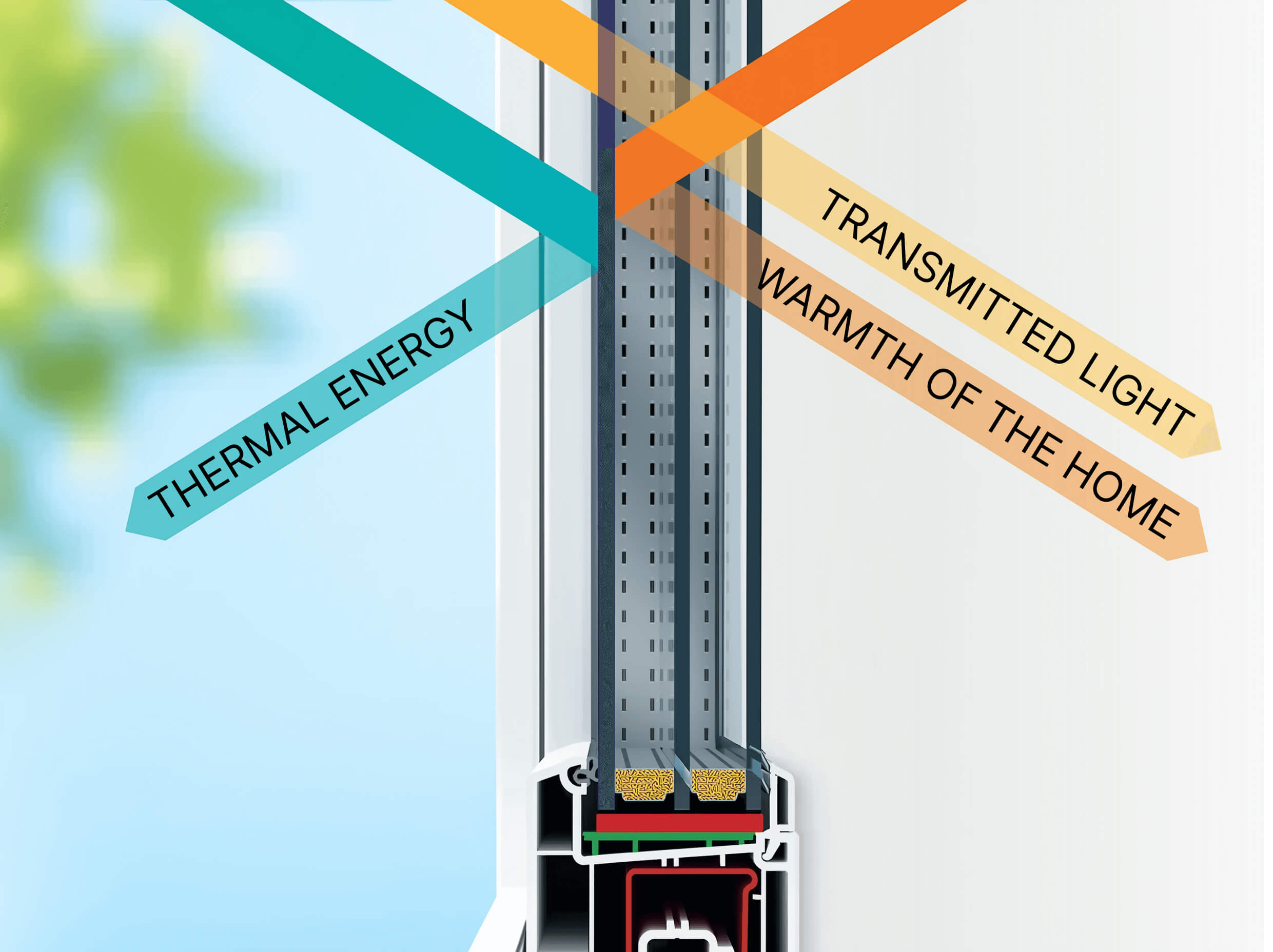
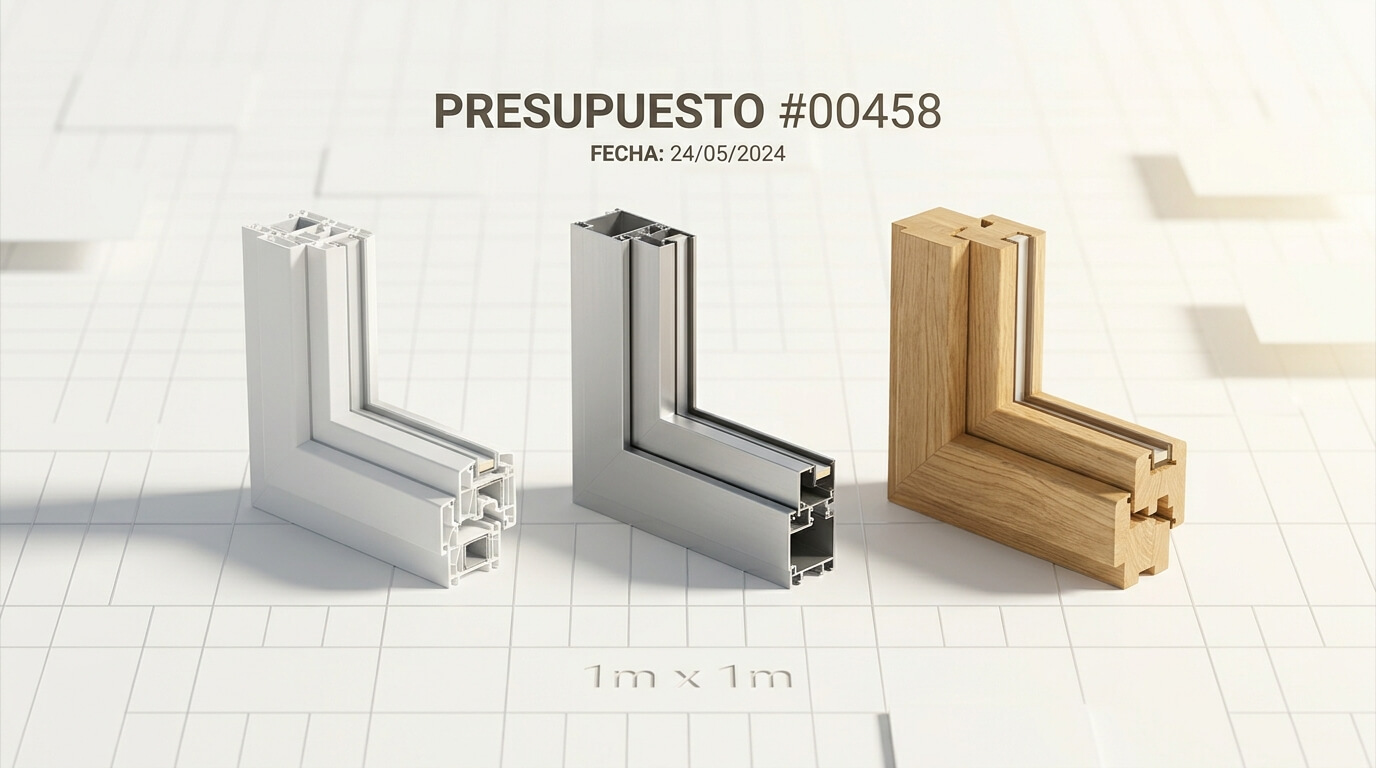
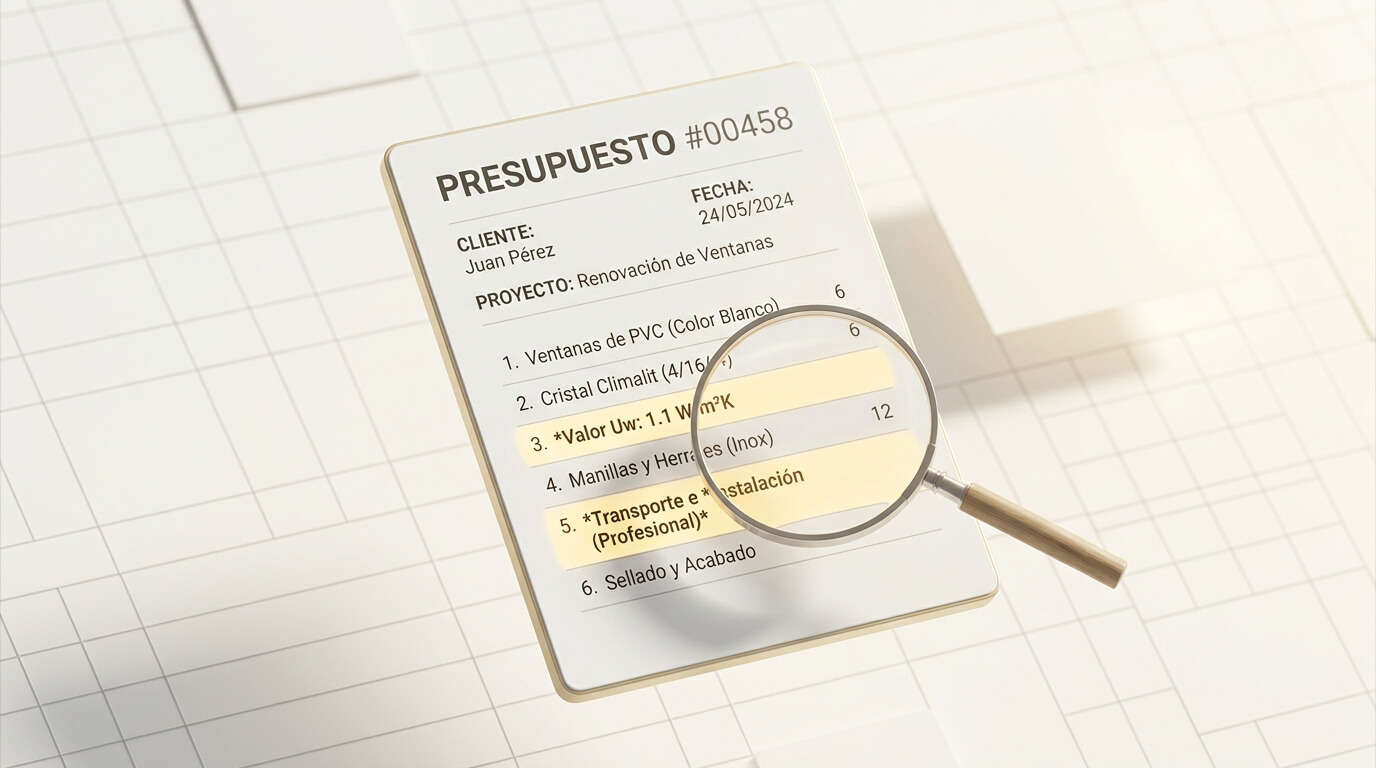
To land in the 40% tier rather than the 20%, the windows usually need to be part of a meaningful upgrade — the right U-value for your climate zone, good glazing, proper installation. Spending a little more on spec is often what tips a certificate from a C to a B and unlocks the higher deduction. See what your climate zone actually requires, and the regional cost picture, in Window Costs by Region.