“How much do energy-efficient windows cost?” has no single answer in Spain — and not because installers are hiding the number. It is because the building code asks for a different window depending on where you live. A flat in Almería and a townhouse in Burgos are governed by the same national rule, the Código Técnico de la Edificación (CTE), but that rule caps the heat your windows may lose at very different levels. Meet the cap in a cold inland zone and you are buying noticeably more glass and frame than you would on the warm coast.
That regional gap matters more than ever now, because the EU’s energy rules are pushing Spain to renovate its worst-performing homes — and those homes are concentrated in exactly the colder, higher-demand zones. This guide shows how the cost moves across the country, why, and how the 40% tax deduction (live until the end of 2026) rebalances the decision.
Pick your province
The map below colours each province by the maximum window U-value the building code requires there (warm coast = lenient, cold interior = strict) — and, when you select a province, shows that requirement, the glazing it implies, and an illustrative installed cost.
Alicante
Comunitat Valenciana
- CTE climate zone
- B4
- Glazing to meet it
- Low-e double + argon
Illustrative cost — code-compliant window, installed
| Efficient PVC (from) | €355 |
| Typical | €515 |
| Thermal-break aluminium | €680 |
Per ~100×100 cm unit. Illustrative estimate derived from the CTE U-value requirement for this zone — not a market quote.
Reach class A/B and you could claim back up to €3,000 via the 40% IRPF deduction (until end 2026).
Sources
- European Commission — Energy Performance of Buildings Directive — Residential −16% by 2030 and −20–22% by 2035; ≥55% from worst-performing homes; zero-emission new buildings.
- Directive (EU) 2024/1275 — EUR-Lex — Full legal text; in force 28 May 2024; transposition by 29 May 2026.
- Agencia Tributaria — Deducciones por eficiencia energética — The 20% / 40% / 60% IRPF deductions, bases, requirements and deadlines.
- CTE DB-HE — Código Técnico de la Edificación — Maximum window U-value and air-permeability limits by climate zone.
Figures last verified 15 June 2026. Data licensed CC BY 4.0 — reuse with attribution.
A word on those numbers, because honesty is the whole point of Estimia: the costs are code-derived estimates, not market quotes. We are an aggregator, not a seller, so we do not invent “the price in Lleida.” What the figure represents is roughly what a window that satisfies that zone’s code requirement costs to supply and fit — and that genuinely does rise as the required U-value falls. For a price tied to your exact size, opening type and glazing, use the calculator.
Why the code asks for more in colder zones
The CTE divides Spain into climate zones with a winter-severity letter (α, the mildest, through E, the coldest) and a summer-severity number. The winter letter sets the maximum window transmittance — the U-value, in W/m²·K — that a new or replacement window may have. Lower is better-insulating, and harder to build:
| CTE winter zone | Example provinces | Max window U-value | What that needs |
|---|---|---|---|
| α / A | Las Palmas, Almería, Málaga | ≤ 2.7–3.2 | Standard double glazing |
| B | Valencia, Alicante, Sevilla | ≤ 2.3 | Good double glazing, warm-edge spacer |
| C | Barcelona, A Coruña, Granada | ≤ 2.1 | Double glazing + low-e + argon |
| D | Madrid, Zaragoza, Salamanca | ≤ 1.8 | High-spec double or entry triple glazing |
| E | Ávila, Burgos, Soria, León | ≤ 1.8 (harsh winters) | Triple glazing, premium frames |
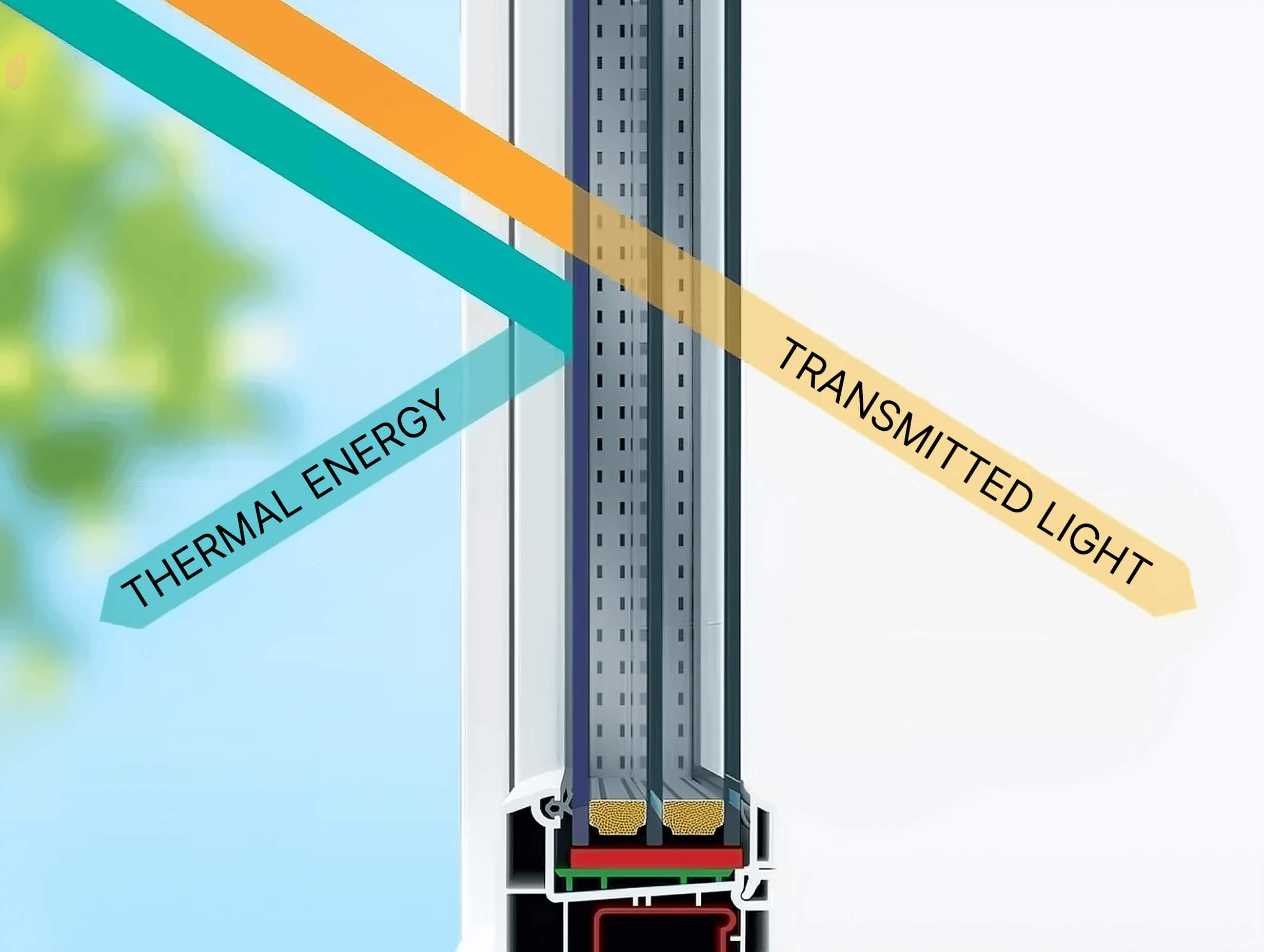
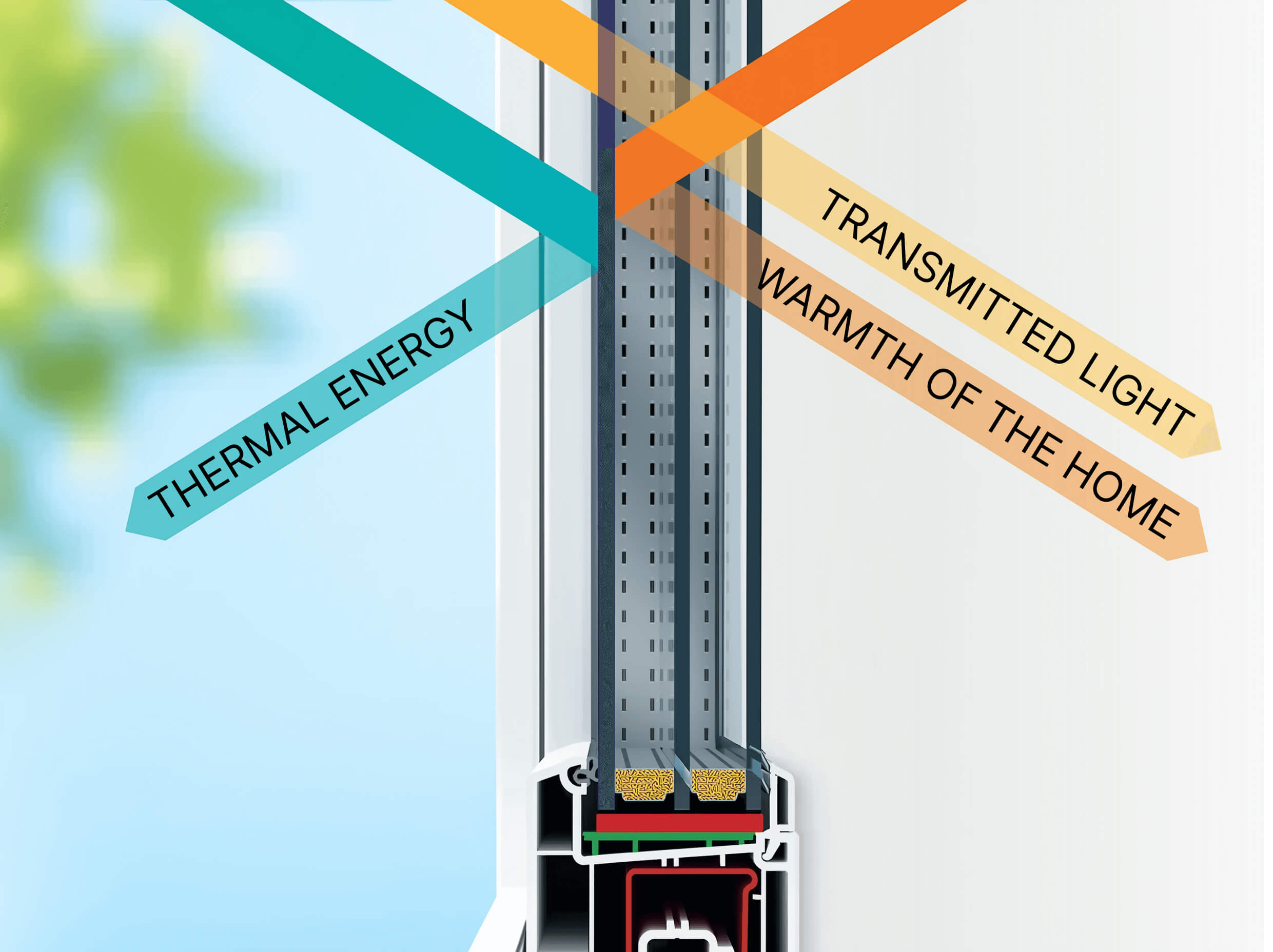
The jump from a coastal A zone to an inland D/E zone is the difference between a basic insulating unit and a low-emissivity, argon-filled — often triple-glazed — window in a multi-chamber frame. That is real material and real money, which is why the map’s estimates climb as you move inland and north.
Where the renovation pressure is highest
Under the revised EU directive (the EPBD), Spain does not have to force any individual home to reach a particular class — that per-dwelling rule was dropped from the final text. What Spain must do is cut the average primary energy use of its housing stock by 16% by 2030 and 20–22% by 2035, with at least 55% of that cut coming from the worst-performing homes. (We unpack the law in full in Do You Really Have to Replace Your Windows Under the New EU Energy Law?.)
The practical consequence: the colder, higher-demand zones — where heating dominates and older stock is common — are where the national renovation effort has to concentrate. If you own a poorly rated home in a D or E zone, you are squarely in the path of that effort, and windows are usually the cheapest single lever to move a certificate up a grade.
The 40% deduction changes the maths
Here is where the regional cost gap narrows. Spain’s IRPF deductions return a large slice of an efficiency upgrade — and for dwellings they expire at the end of 2026:
- 40% of the cost, on a base up to €7,500/year (max €3,000 back), if the works reach class A/B or cut non-renewable primary energy by 30%.
- 20%, on a base up to €5,000/year, for a 7% cut in heating and cooling demand.
A €4,500 window project in a cold D-zone home that lifts the certificate to a B isn’t really €4,500 — after the 40% deduction it is closer to €2,700 net. That is often enough to close the gap between “compliant double glazing” and “triple glazing that future-proofs the home.” The full mechanics — bases, certificate requirements, deadlines — are in Get Up to 40% Back.
The catch is timing. Works must be paid for by 31 December 2026 and the post-works energy certificate issued before 1 January 2027. A window order placed late in 2026 may not be installed and certified in time — which is why the regional cost question is really a this-year question.
How to turn an estimate into a real number
The map gives you the lay of the land; a quote gives you the price. To compare quotes like-for-like across companies, pin down:
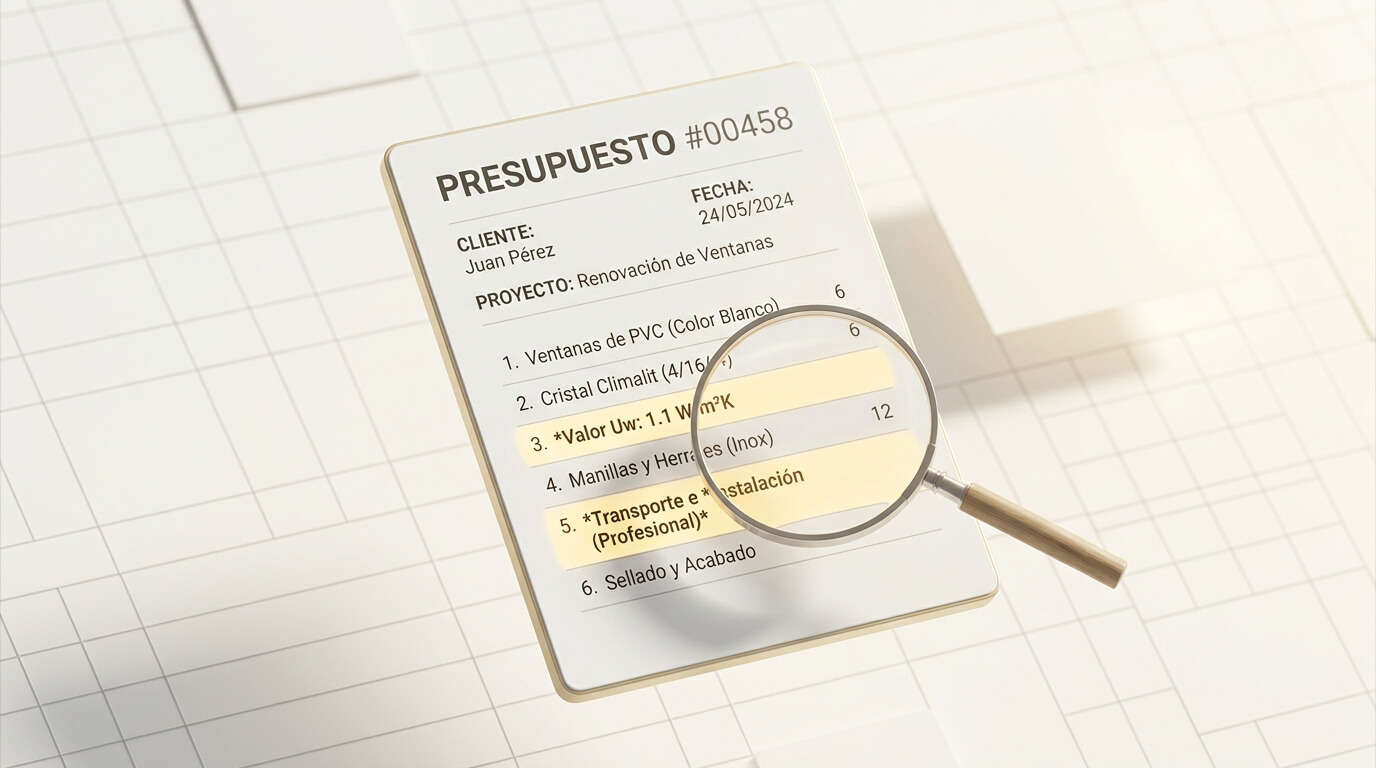
- The window U-value (Uw) of the finished unit, and confirm it meets your zone’s cap.
- The glass build-up in millimetres (e.g. 4 low-e / 16 argon / 4), not just “energy-efficient glass.”
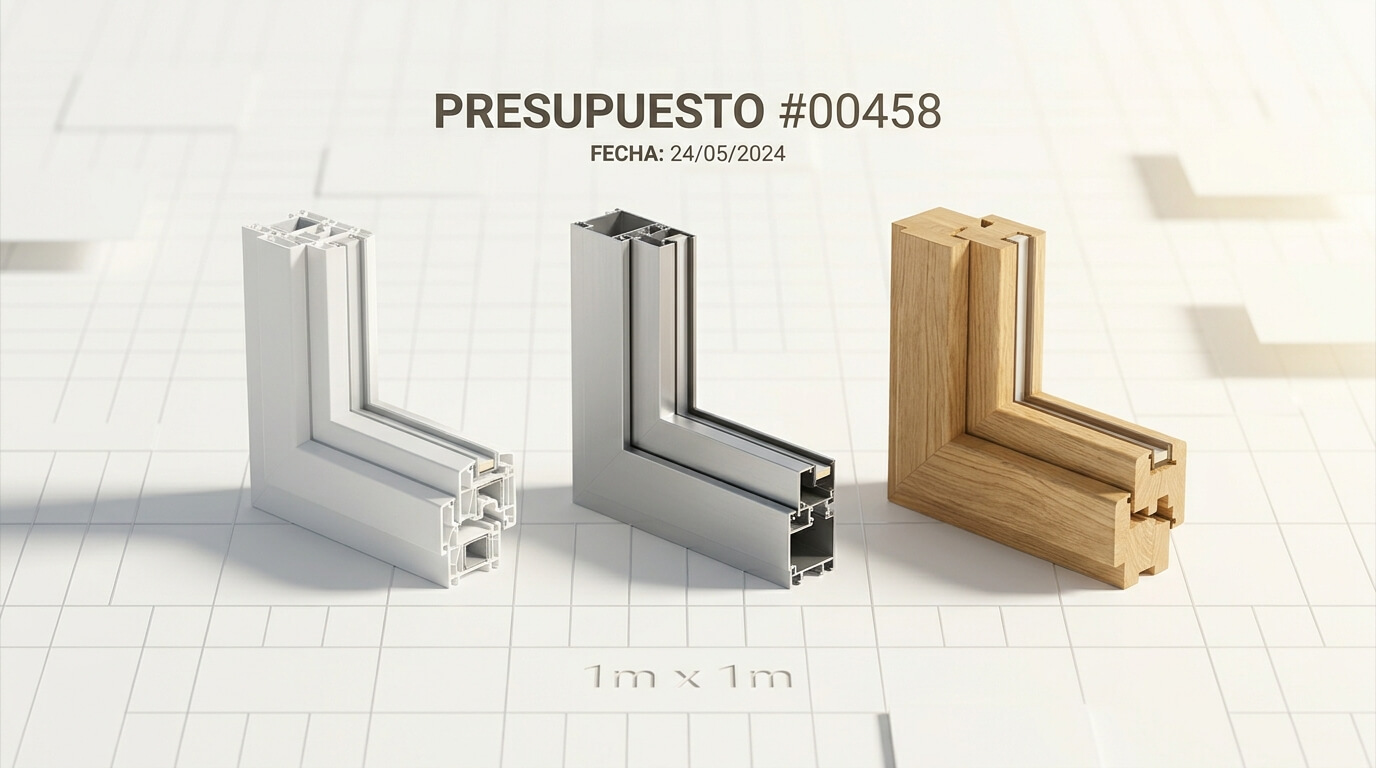
- The frame system and number of chambers.
- Whether the spec is enough to reach class A/B if you are aiming for the 40% tier.