

WDS 5S — Efficient Glazing Without Overpaying
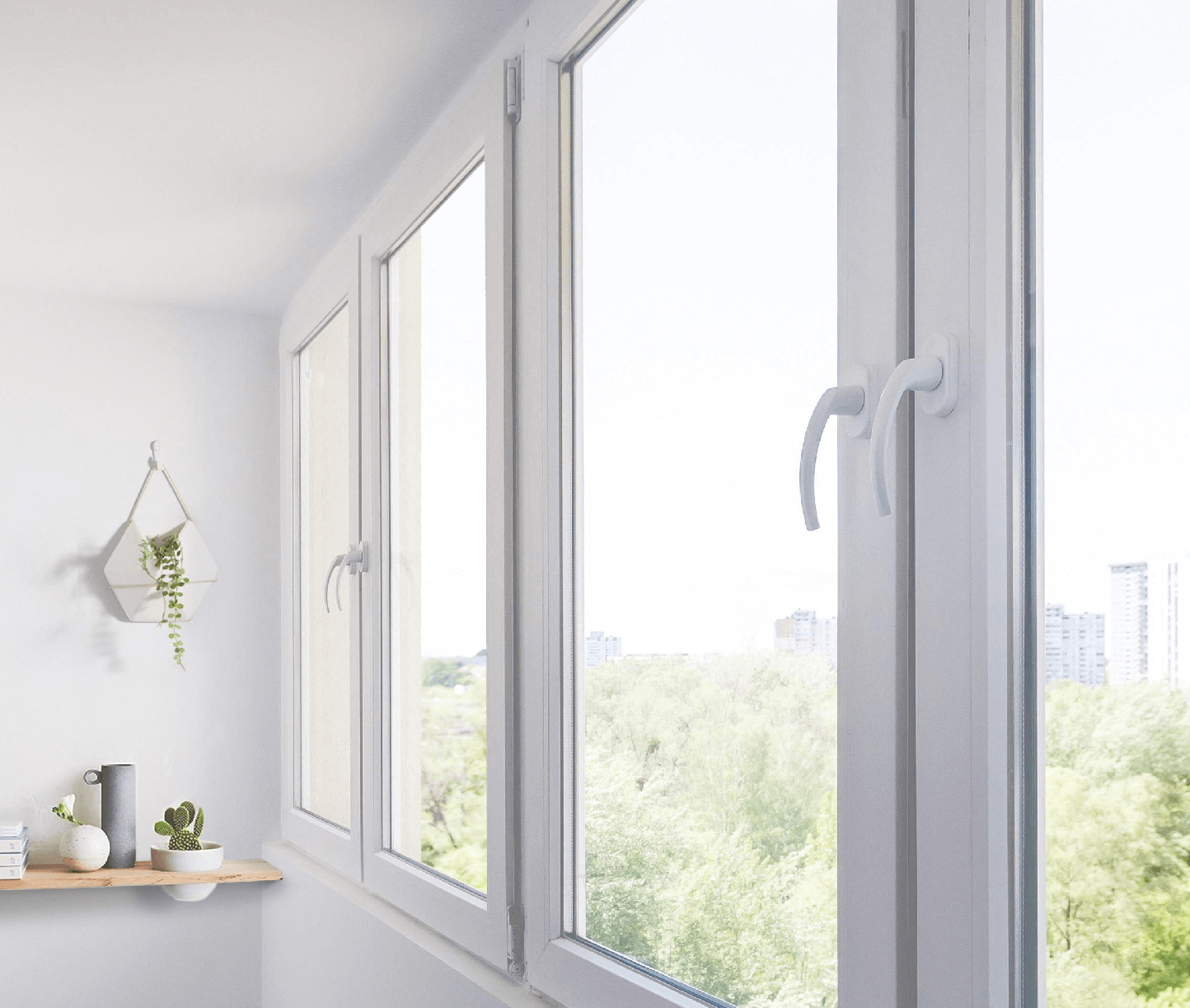
The WDS 5S window system (60 mm) is proof that a well-built window need not carry a high price tag. It's the perfect pick for anyone looking for a dependable option for rental flats, balcony enclosures (terrazas), holiday homes, or seafront properties in Spain (Alicante, Malaga, Valencia).
Why Choose the 5S Series:
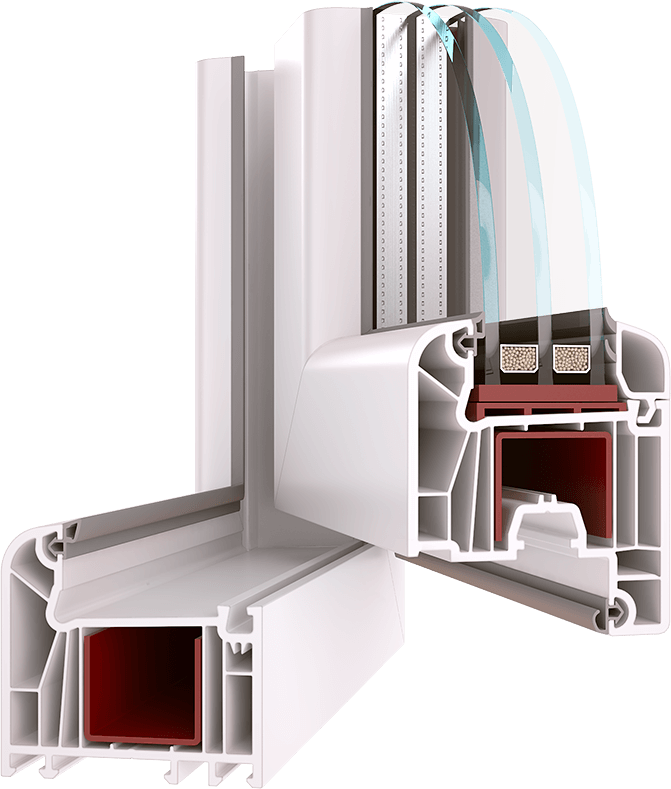
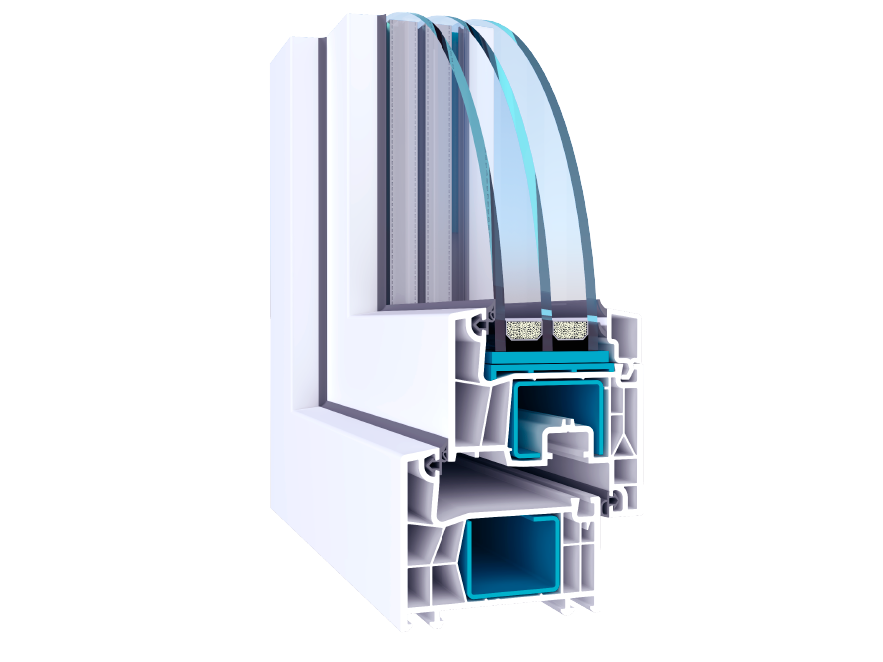
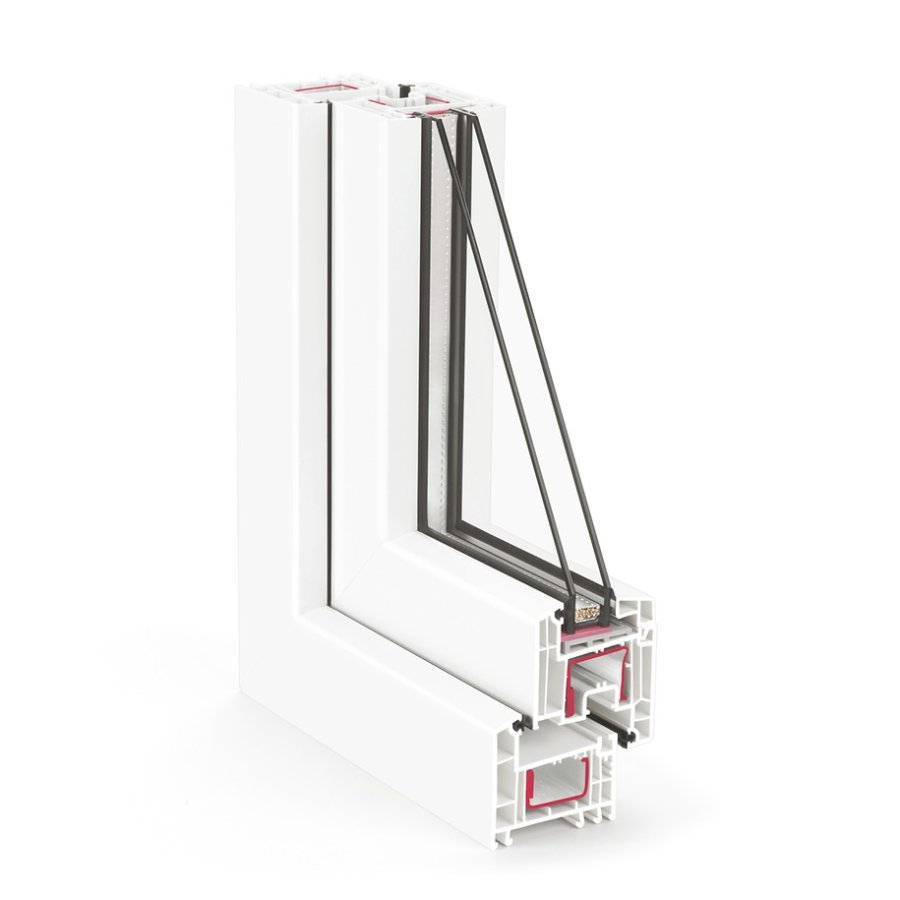
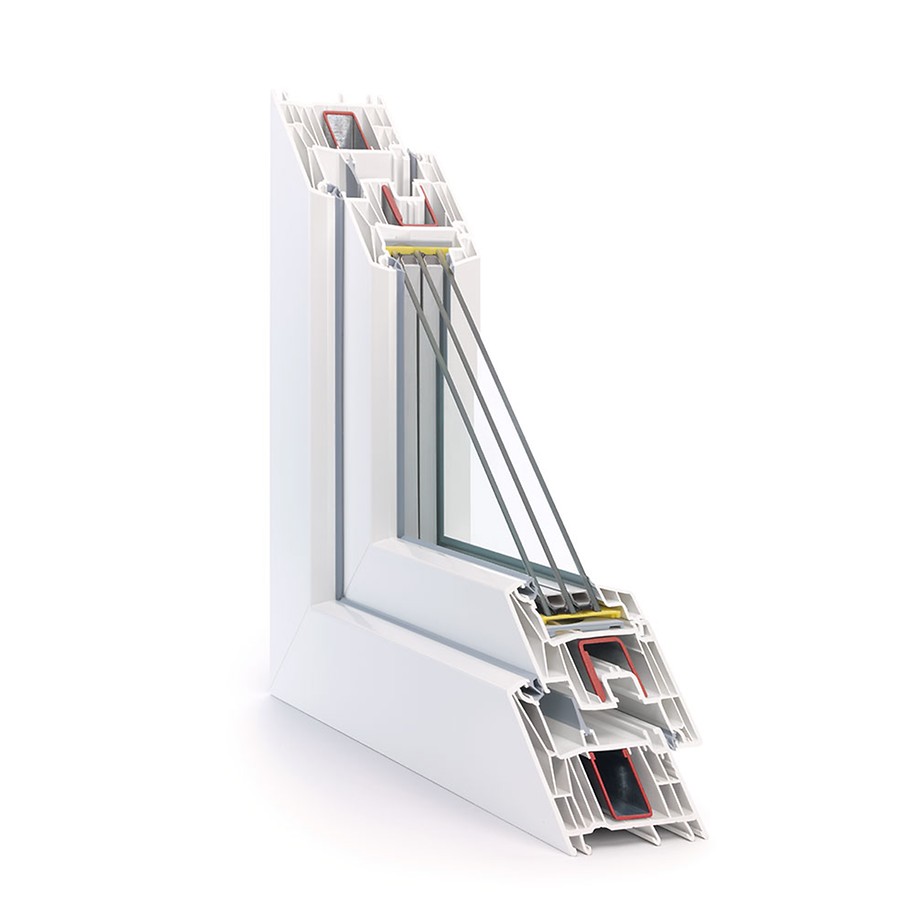
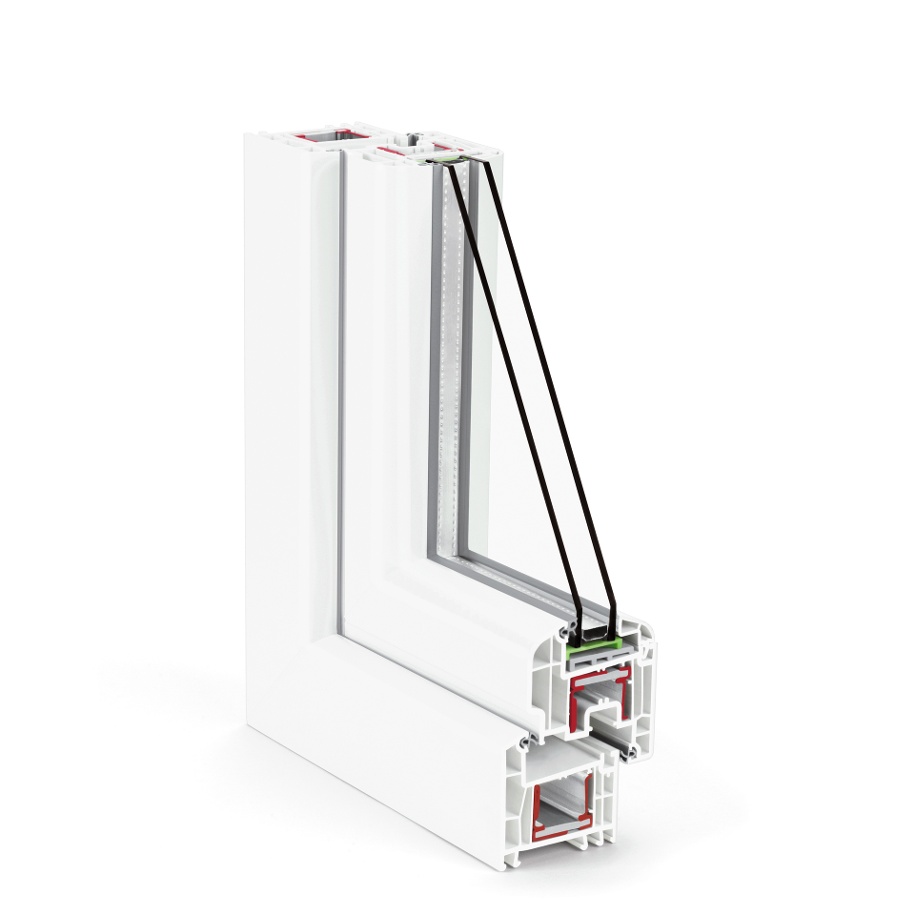
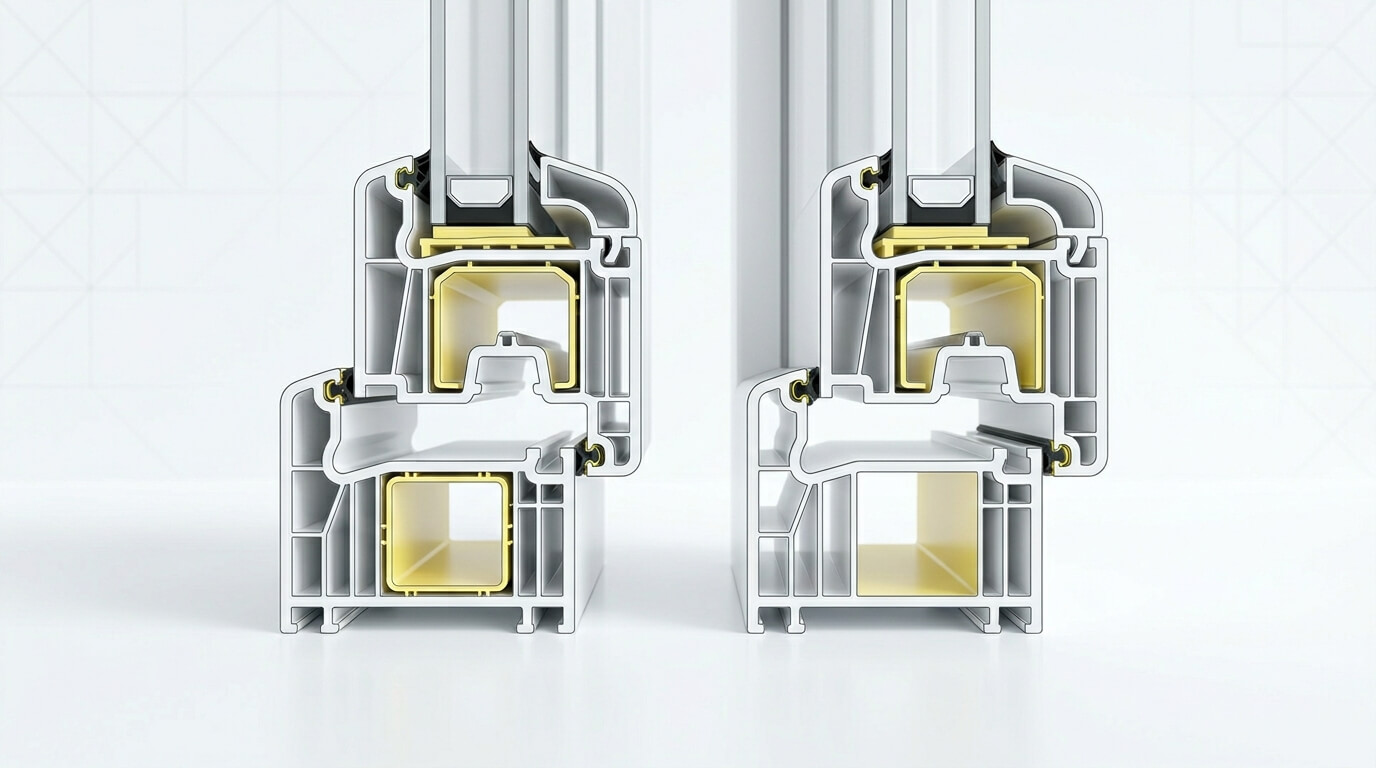
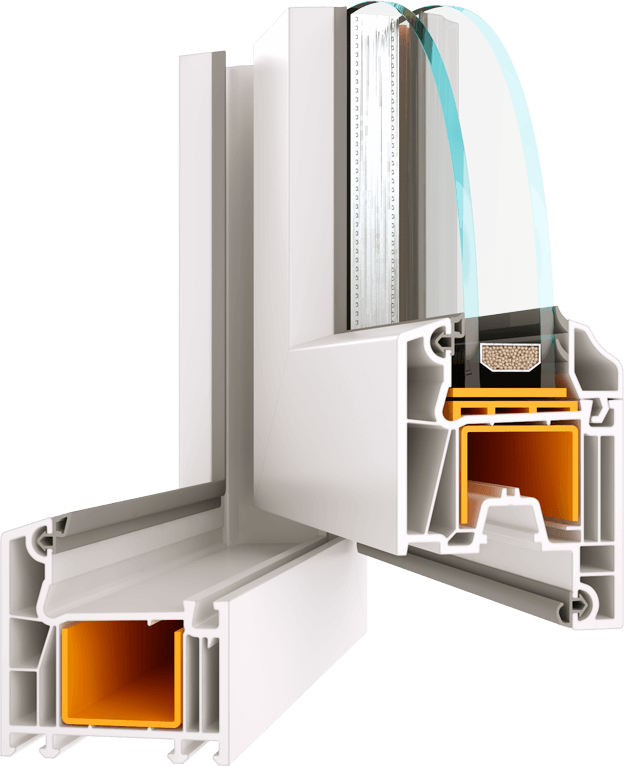
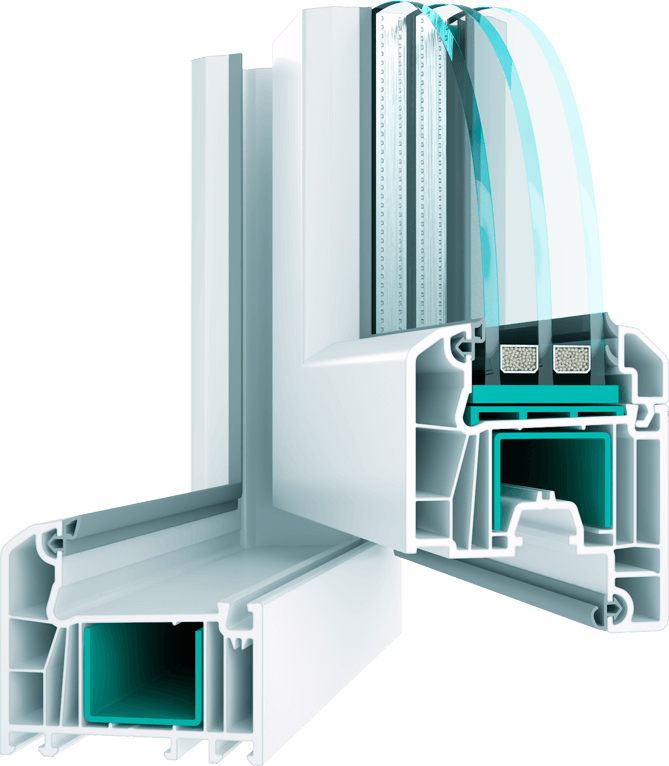
- Warmer than the alternatives: Where most budget systems rely on 3 chambers, the WDS 5S profile features 5 air chambers. The result is a heat transfer coefficient of Uf = 1.3 W/m²K — roughly 20% better than typical narrow profiles.
- Spanish standard: The system works seamlessly with local roller shutter formats (persianas), whether built-in (compacto) or surface-mounted, sealing the whole opening tightly.
- Climate resistance: The glossy profile face is loaded with stabilizers that withstand strong UV exposure and salty coastal air. The windows stay white and ask for no special upkeep.
- Aesthetics: A gray gasket (TPE) rather than a black one visually widens the light opening, giving the window a clean, airy appearance.
A sensible pick for any renovation where every centimeter counts (installation depth is just 60 mm) and keeping the budget in check matters — all without sacrificing airtightness or sound insulation.
Brand
WDS — modern window systems combining European quality and affordable prices. The manufacturer uses German technology and strict quality control, offering a wide range of profiles: from economical 5S to flagship 8S at Passivhaus level.
More about WDSTechnical Specifications
Details
Lowest price. A 5-chamber 60mm system for glazing cottages, balconies and utility spaces.
Engineering Specifications:
- Mounting depth: 60 mm.
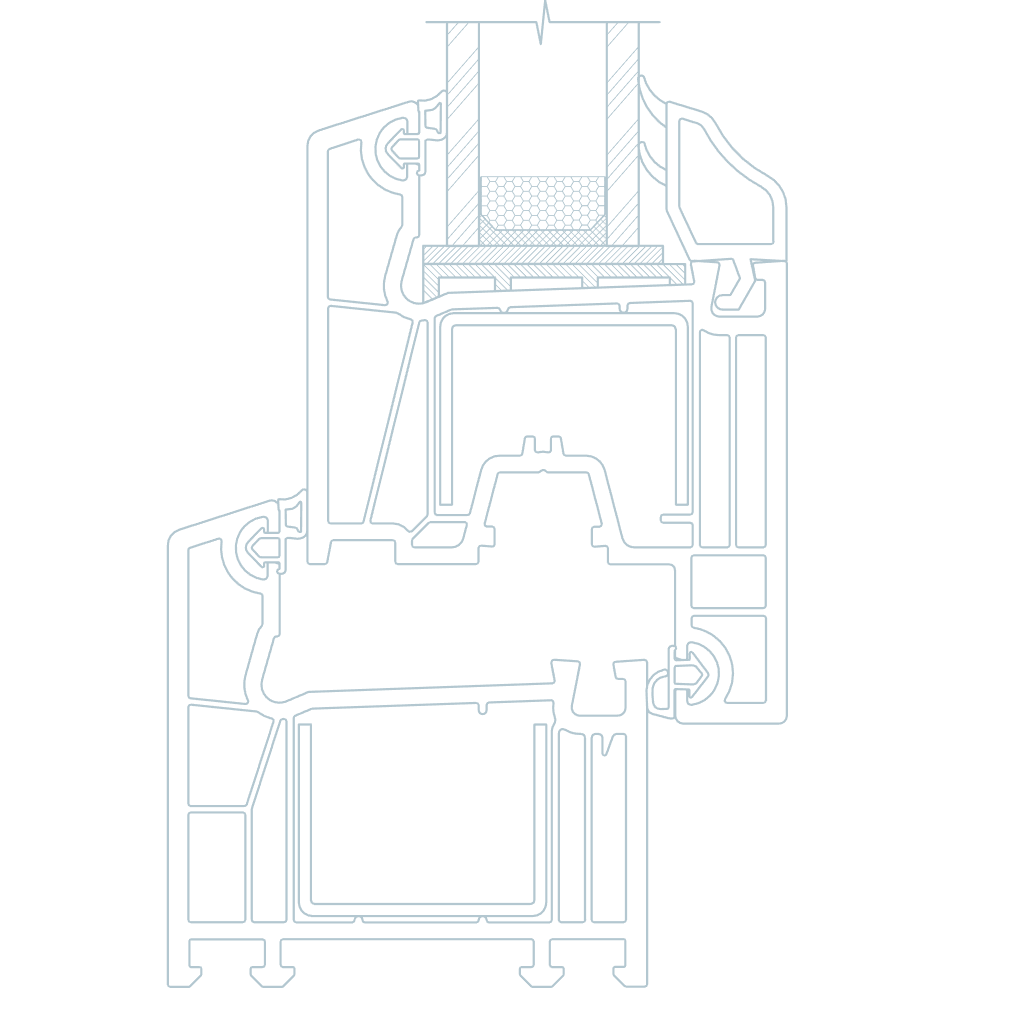
- Chamber layout: 5 chambers (ideal partitioning of air cavities that guards against freezing).
- External wall gauge: Class B (per DSTU/EN) — the norm for homes and flats.
- Weatherstripping: 2 contours of TPV gasket (gray or black), built into the profile to keep drafts out dependably.
- Steel insert: U-shaped steel profile (1.2–1.5 mm thick) that holds the window's geometry steady.
- Styling: A timeless straight-edge silhouette that blends in with any facade.
Glass Filling Choices:
- Top filling thickness: up to 32 mm.
- Filling variants: Single glass (4 mm), single-chamber (24 mm) or double-chamber (32 mm) glass unit.
- Bead profile: Plain classic shape.
Largest Build Sizes:
- Top sash width: up to 800-900 mm (for window sashes).
- Top sash height: up to 2100 mm (varies with the steel insert chosen).
Tested Performance:
- Heat resistance value (Ro): approx. 0.80-0.82 m²°C/W (without reinforcement) / ~0.63-0.65 m²°C/W (assembled with reinforcement).
- Profile heat retention (Uf): ~1.5 W/m²K.
- Noise damping (Rw): up to 32-34 dB.
- Air leakage: Class 4 (DIN EN 12207).
- Watertightness: Class 7A/8A (DIN EN 12208).
WDS 5S
Lowest price. A 5-chamber 60mm system for glazing cottages, balconies and utility spaces.
For a standard 2-sash tilt-and-turn window (1200 × 1400 mm) with basic double-glazed unit.
Compare with Similar Profiles
Alternative solutions from other manufacturers
WDS 7S (70 mm)
WDS 76 AD (76 mm)
Rehau Euro-design 70
Rehau Synego
Rehau Brillant-Design 70
Side by side
Head to Head: Closest Competitors
How WDS 5S stacks up against the closest matches from other brands.
| Specification | WDS 5SThis profile | Rehau Euro-design 70 | Veka Softline 70 | Schüco Corona CT 70 |
|---|---|---|---|---|
| Brand | WDS | REHAU | VEKA | Schüco |
| Material | PVC | PVC | PVC | PVC |
| Profile depth | 60mm | 70mm | 70mm | 70mm |
| Chambers | 5 chambers | 5 chambers | 5 chambers | 5 chambers |
| Glass unit, max | up to 32mm | up to 40mm | up to 42mm | up to 52mm |
| Thermal (Uw) | 1.4 | 1.3 | 1.3 | 1.3 |
| Sound (Rw, dB) | ≈38 Rw(dB) | ≈43 Rw(dB) | ≈45 Rw(dB) | ≈48 Rw(dB) |
See all window profiles compared.
Open full comparisonLeave a Review
Customer Reviews
Find out what people are saying about it
No reviews yet. Be the first!
Related Posts

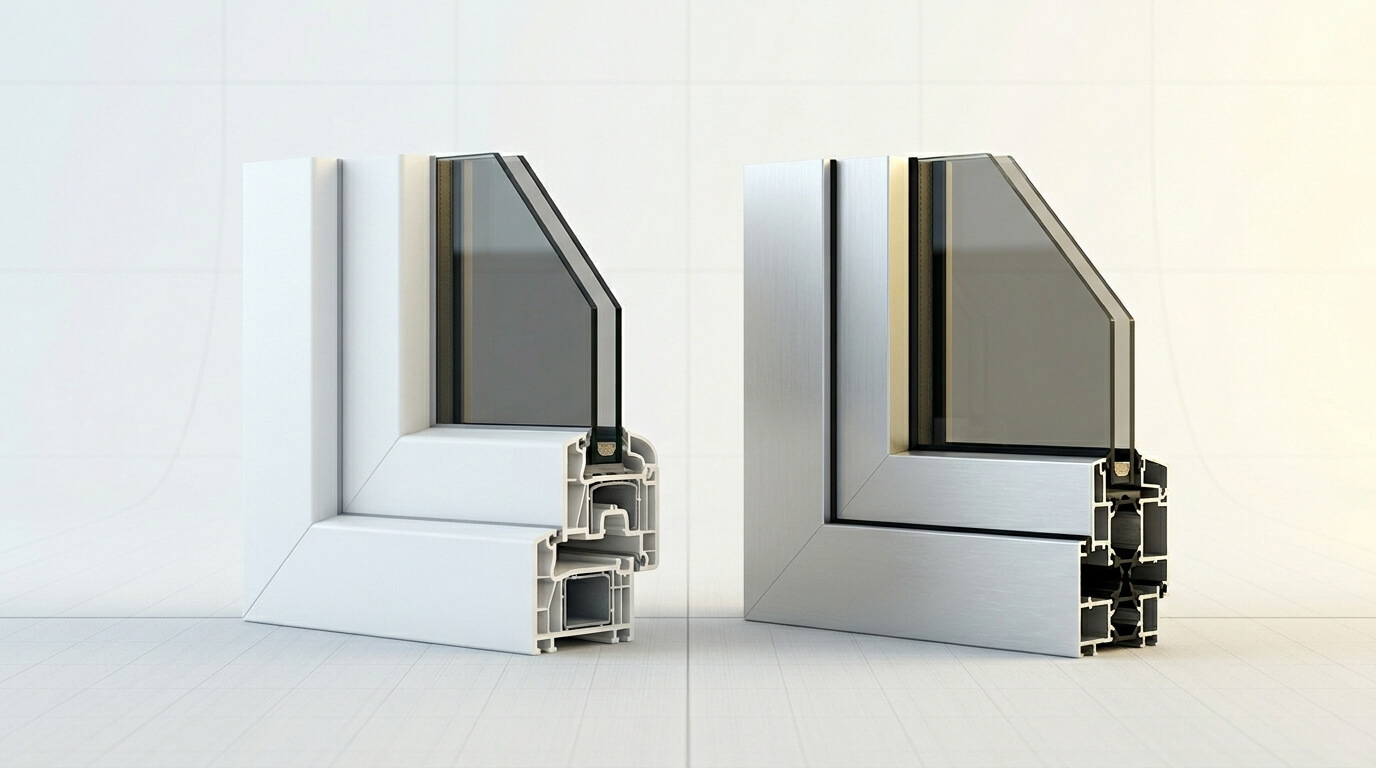
PVC or Aluminium Windows: Which Is Better for Your Spanish Home?
PVC and aluminium are the two frames you will be quoted for almost every window in Spain, and the right answer changes from Valencia to Vigo. This guide compares them head-to-head on insulation, price per m², coastal durability, sizes, colours and noise, then gives a clear verdict by scenario and region.

The Spanish PVC Window & Door Market: 2026 Report
A full data report on windows and doors in Spain: the PVC value chain traced through customs data (resin, profiles, finished units), where Spain buys its profiles and ships its windows, the €4.16-billion domestic sector, the swing from aluminium to PVC, and the subsidy bottleneck holding back a 20-million-home renovation backlog.

Best PVC Window Brands in Spain: An Independent Comparison
A neutral, like-for-like comparison of the PVC profile brands sold in Spain — Kömmerling, Veka, Rehau, Deceuninck, Schüco and the major Spanish systems — by chambers, Uw, reinforcement and price tier. We also explain why the company that fits the window matters at least as much as the brand on the box.

Tilt-and-Turn Windows (Oscilobatiente): What They Are and Why They're So Popular
The oscilobatiente window opens two ways from a single handle: tilt inward for safe ventilation or swing fully open for cleaning. Here's how the mechanism works, how it compares with sliding and casement windows, and what it costs in Spain in 2026.

Choosing the Right Windows for Each Room: Bedroom, Kitchen, Bathroom and More
The best window for a bedroom is not the best window for a kitchen, a bathroom or a living room. This room-by-room guide explains what to prioritise in each space — acoustics and blackout for sleeping, easy-clean ventilation for cooking, privacy and moisture resistance for bathrooms, light and views for living areas, safety for children's rooms — so every window in the house earns its place.

Soundproof Windows: How to Cut Outside Noise in Spain
Traffic, terraces, airports and nightlife — Spanish streets are loud, and your windows are the weakest link. This guide explains acoustic ratings (dB and Rw), exactly what makes a window quiet, the realistic noise reduction you can expect, and precisely what to specify in a quote so you can compare verified companies on equal terms.
FAQs
Frequently Asked Questions about WDS 5S
What exactly is inside the WDS 5S 60 mm profile, and how does it hold its shape?
The WDS 5S is a 60 mm deep PVC frame split into 5 chambers for trapping insulating air. Rigidity comes from a U-shaped steel insert, 1.2–1.5 mm thick, that locks the geometry in place. The frame height is 107 mm, and weather sealing uses 2 contours of TPV gasket in gray or black to keep out drafts, dust and moisture.
What is the largest glass unit that fits in the WDS 5S, and which build-ups are possible?
The 60 mm depth limits glazing to a maximum 32 mm bead opening. Available infills:
- Single glass, 4 mm
- Single-chamber unit, 24 mm
- Double-chamber unit, 32 mm
What thermal numbers does the WDS 5S actually deliver?
It is rated energy class B with a whole-window Uw ≤ 1.4 W/(m²·K) and a profile Uf of roughly 1.5 W/m²K. Heat resistance (Ro) is about 0.80–0.82 m²°C/W bare, dropping to ~0.63–0.65 m²°C/W once the steel reinforcement is fitted. That suits warm and mild climates rather than the coldest northern zones.
What size and weather limits should I respect with the WDS 5S?
Keep sashes within 800–900 mm wide and up to 2100 mm tall, with the upper height depending on the steel insert chosen. Larger or heavier openings need a deeper system. Tested ratings are air-leakage Class 4 (EN 12207) and watertightness Class 7A/8A (EN 12208), so very high wind-load exposure is better served by a 70 mm or 76 mm WDS profile.
How does the WDS 5S compare with the WDS 6S, 7S and 76 systems by the numbers?
The 5S is the entry point at 60 mm / 5 chambers / Uw ≤ 1.4 / class B. Stepping up:
- WDS 6S/7S — 70 mm, 6 chambers, Uw 1.3–1.2, class A, 40 mm glass
- WDS 76 AD/MD — 76 mm, Uw 1.1 down to 0.92, class A+/A++, 48 mm glass
Can the WDS 5S cut street noise, and how quiet does it get?
Yes. With a 32 mm double-chamber unit you can specify acoustic laminated glass, and the profile reaches roughly 32–34 dB Rw of noise damping. That is enough for typical residential streets, but for the busiest urban frontages a deeper sibling such as the WDS 7S (≈42 dB) or WDS 8S (≈48 dB) gives a meaningfully quieter result.