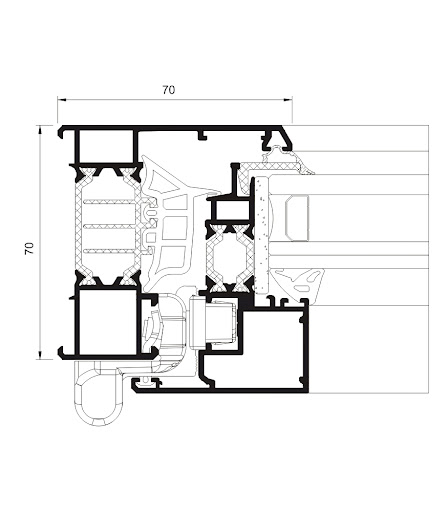
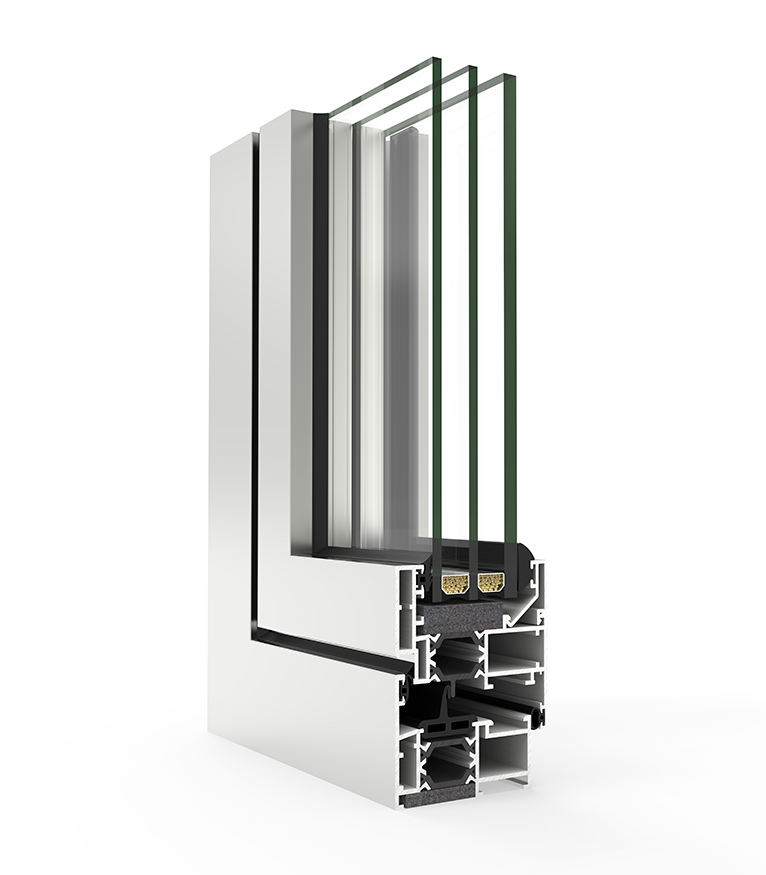
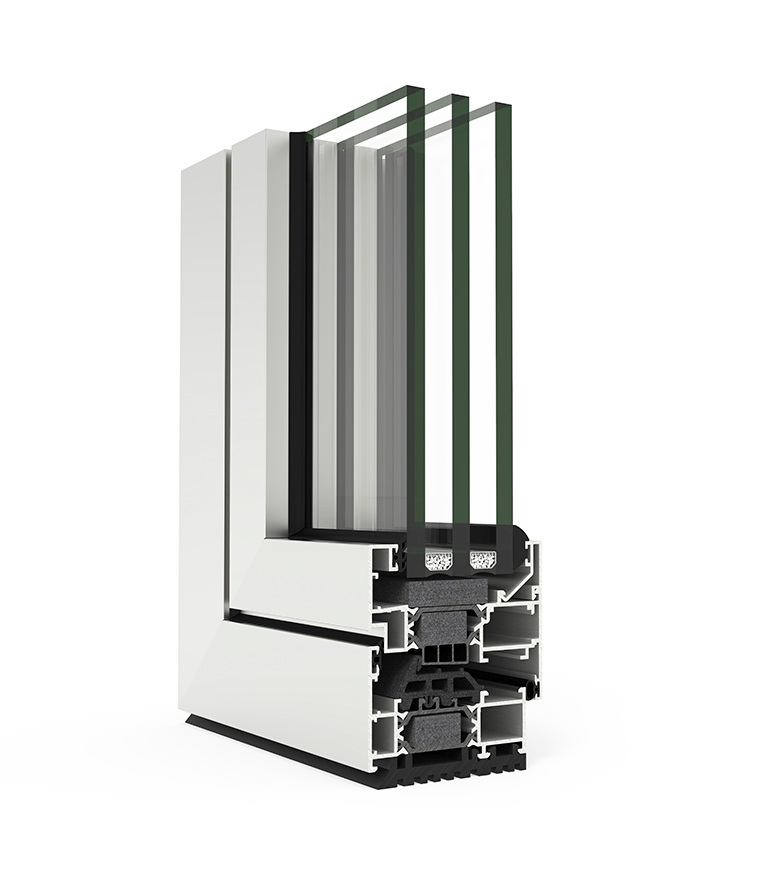
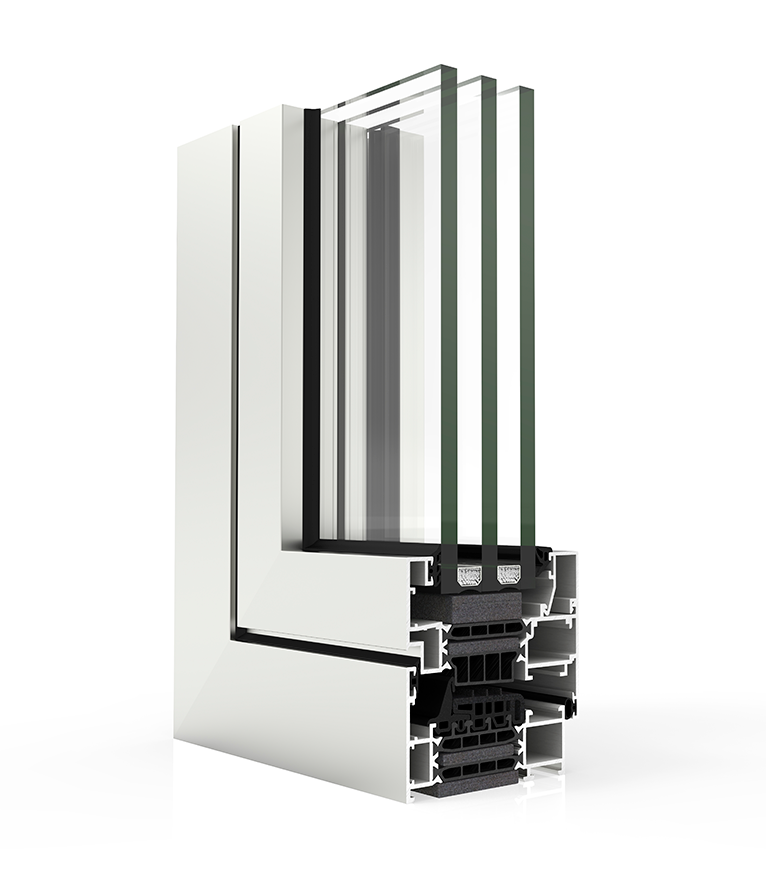
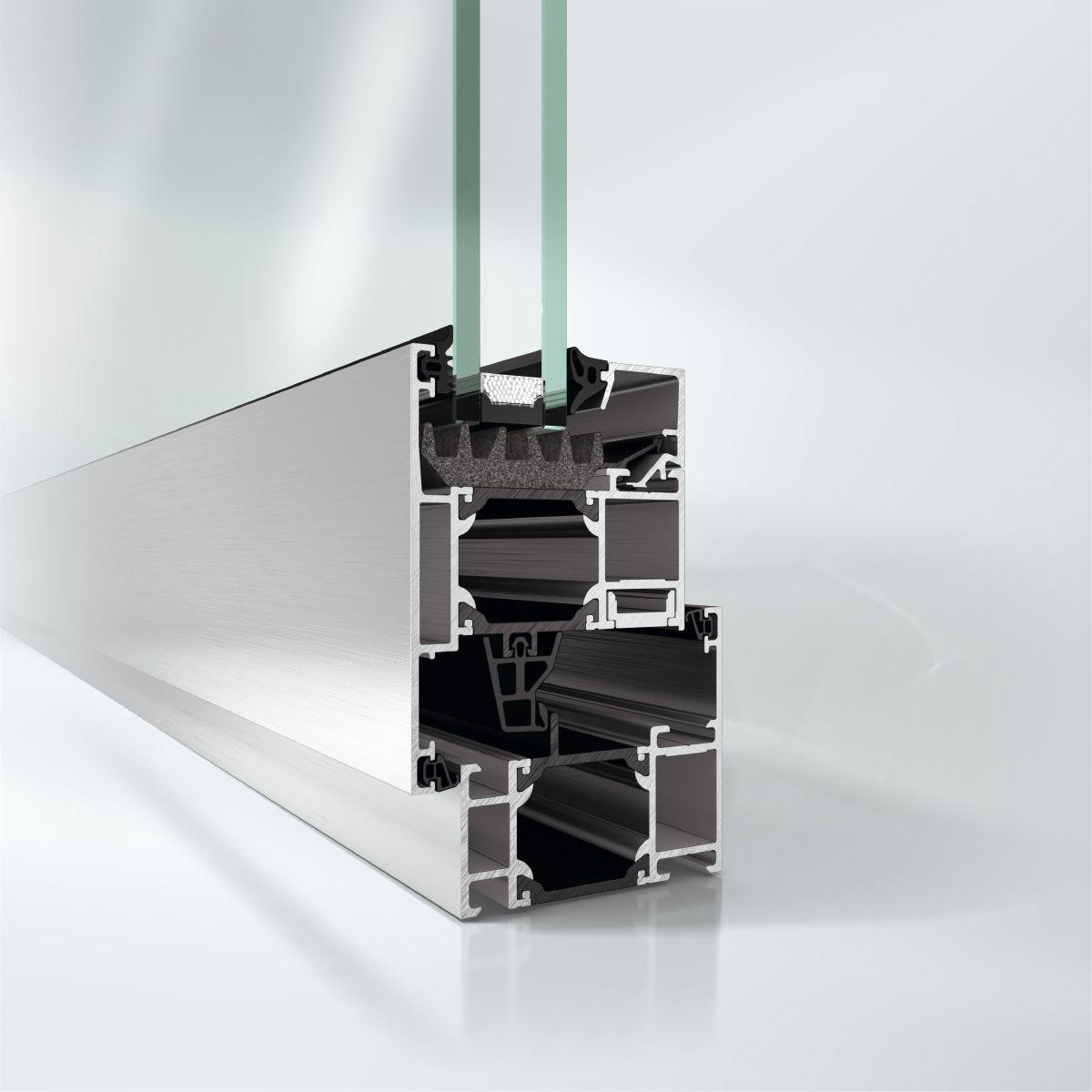
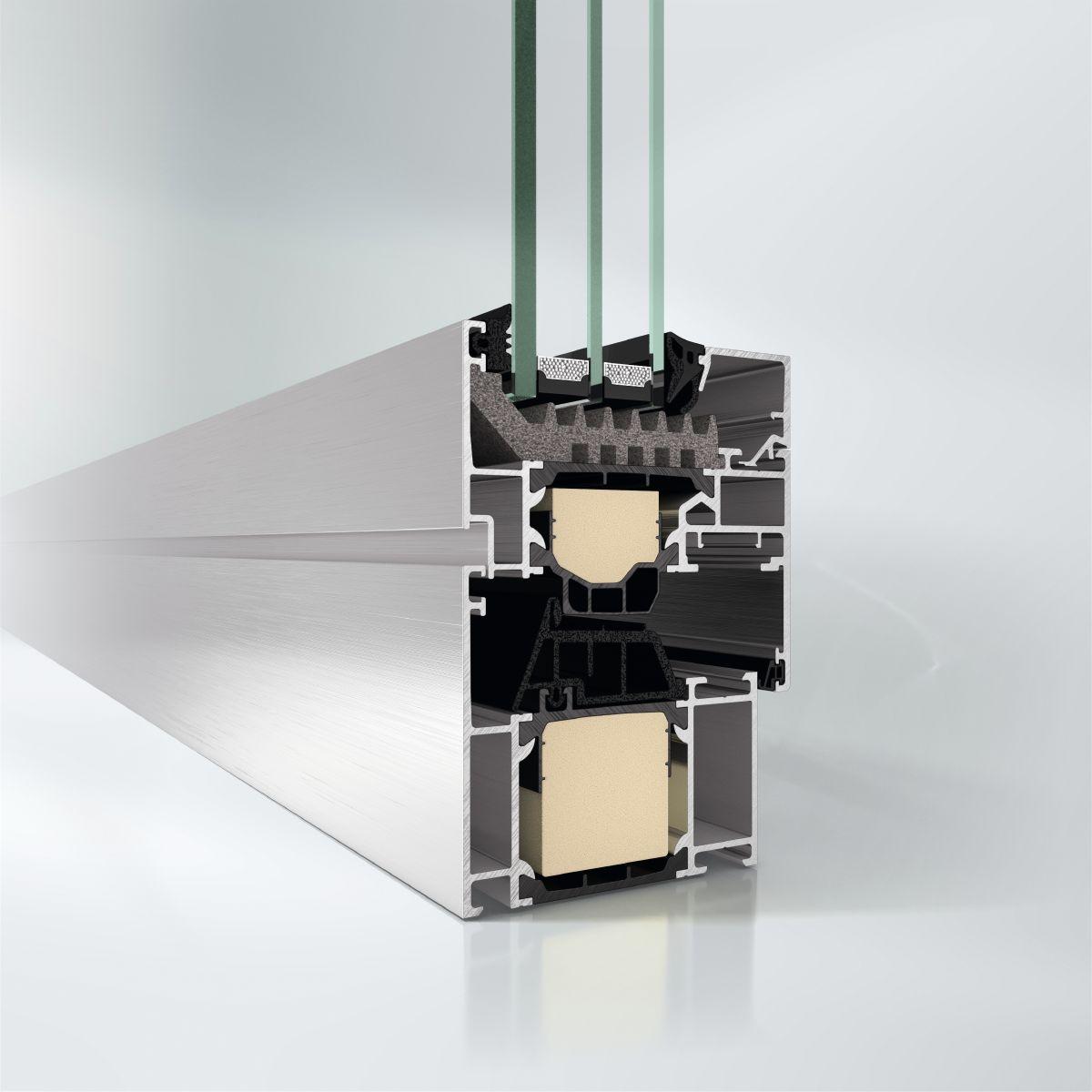
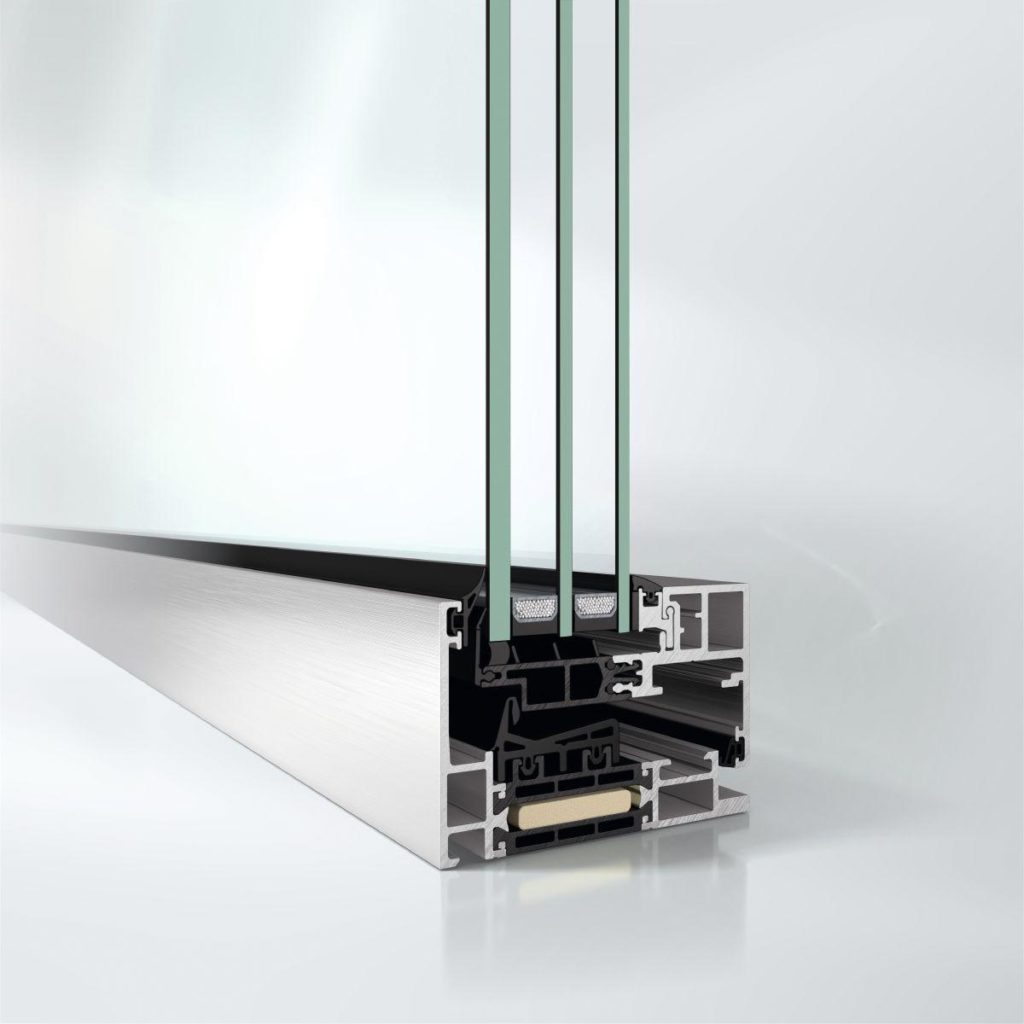
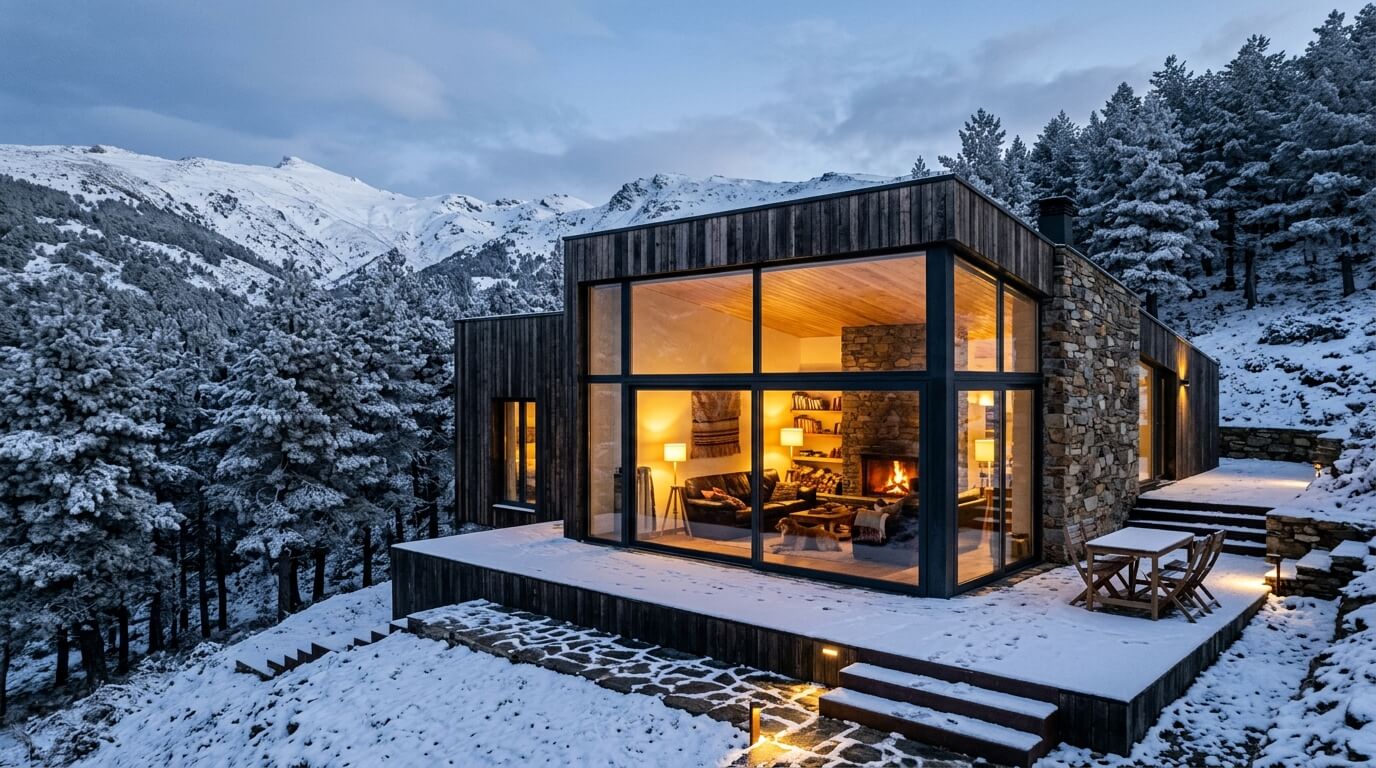
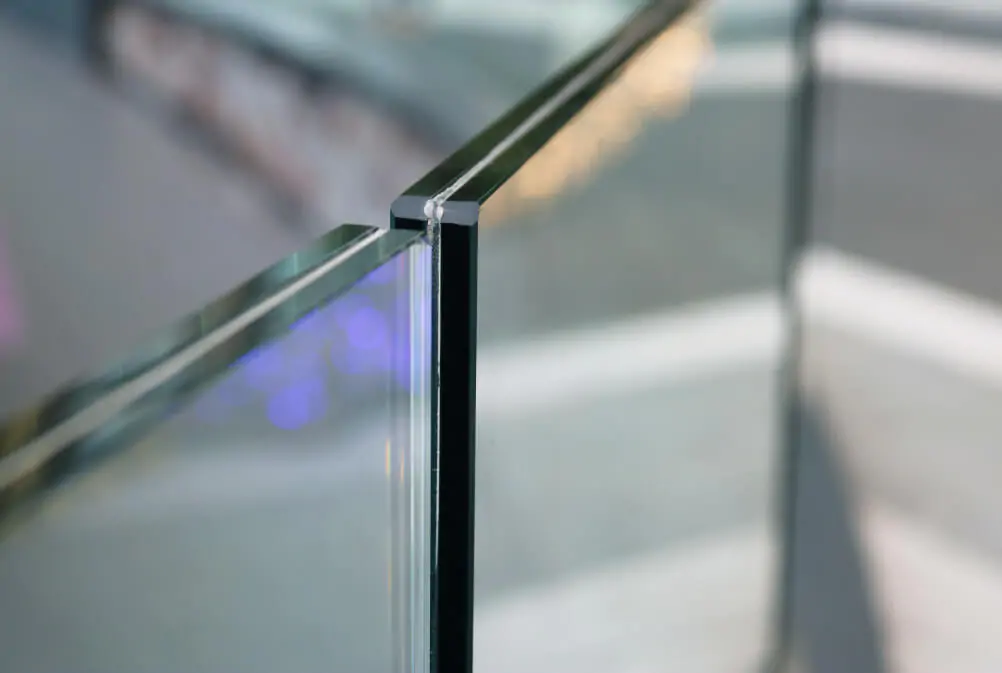
Cortizo COR 70 Hoja Oculta is the architect's pick for minimalist projects. "Hoja Oculta" translates as "hidden sash". In this system the sash profile tucks away behind the frame, so from the outside all you see is a slim profile edge of just 66 mm. The effect is unique: fixed and opening sections look completely identical, delivering perfect symmetry and clean facade lines.
Here design and engineering work side by side. Shrinking the visible profile area enlarges the glazed surface, admitting 15-20% more daylight than standard windows. At the same time the system keeps every benefit of the 70 mm thermally broken platform: it offers excellent thermal insulation, holds back street noise and boasts high rigidity, making elegant panoramic structures possible.
Brand

Cortizo is the flagship of Spanish industry with headquarters in Galicia. The brand is famous for Cor Vision aluminum systems with virtually invisible profiles. If you need panoramic glazing for a villa or modern home — Cortizo is unrivaled.
More about CortizoTechnical Specifications
Details
Design that hides itself. This inventive aluminium system uses a "concealed sash" so that only the frame shows from outside, blurring the line between fixed and opening panes while enlarging the glazed area.
Engineering Specifications:
- Build depth: 70 mm.
- System format: Concealed sash (Hoja Oculta) - the sash disappears from view when seen from outside.
- Exposed profile face: Just 66 mm (from the street), among the slimmest figures on the market.
- Thermal break: RPT technology with 35 mm wide glass fibre reinforced polyamide thermal bridges.
- Alloy: Prime-processed 6063 T5 aluminium alloy.
- Gasket setup: Triple-seal arrangement (external, internal and central gaskets) for peak airtightness (Class A).
- Profile wall gauge: 1.9 mm (reinforced strength).
Glazing Choices:
- Peak glazing thickness: up to 40 mm.
- Glazing range: Double or triple glazed energy-efficient units, tempered glass.
Largest Sizes and Finishes:
- Sash limits: Width up to 1300 mm, Height up to 2400 mm.
- Sash mass: up to 100 kg.
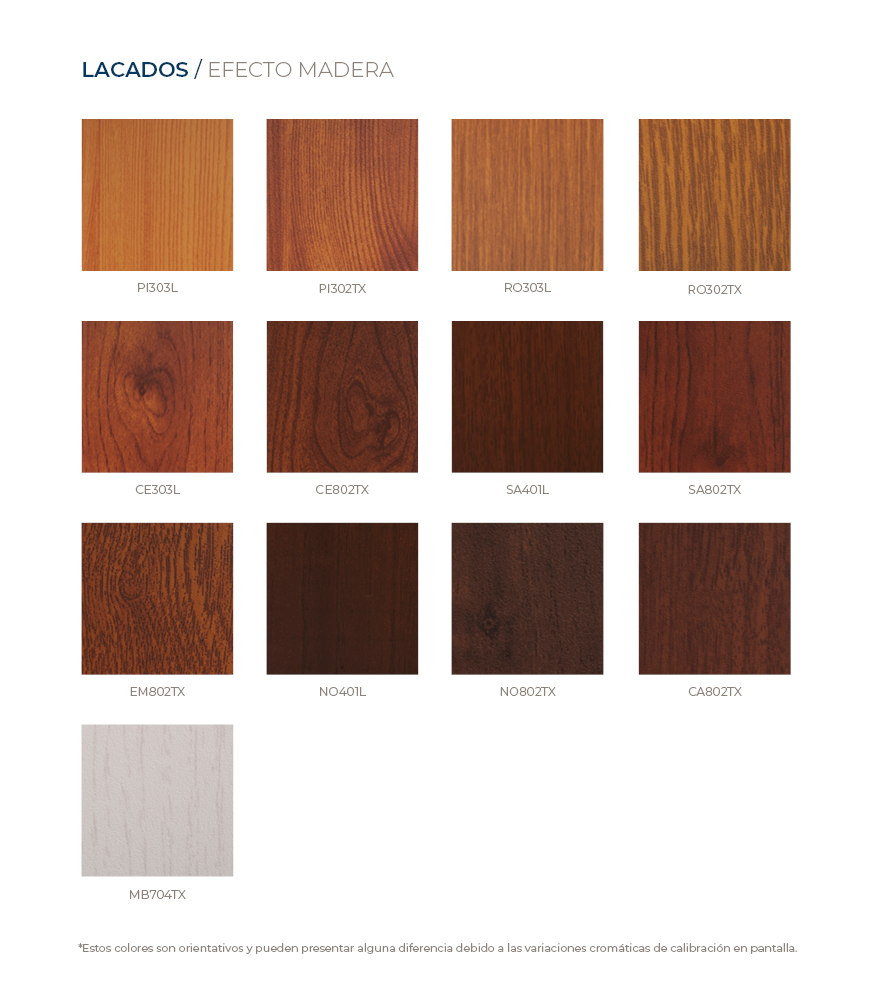
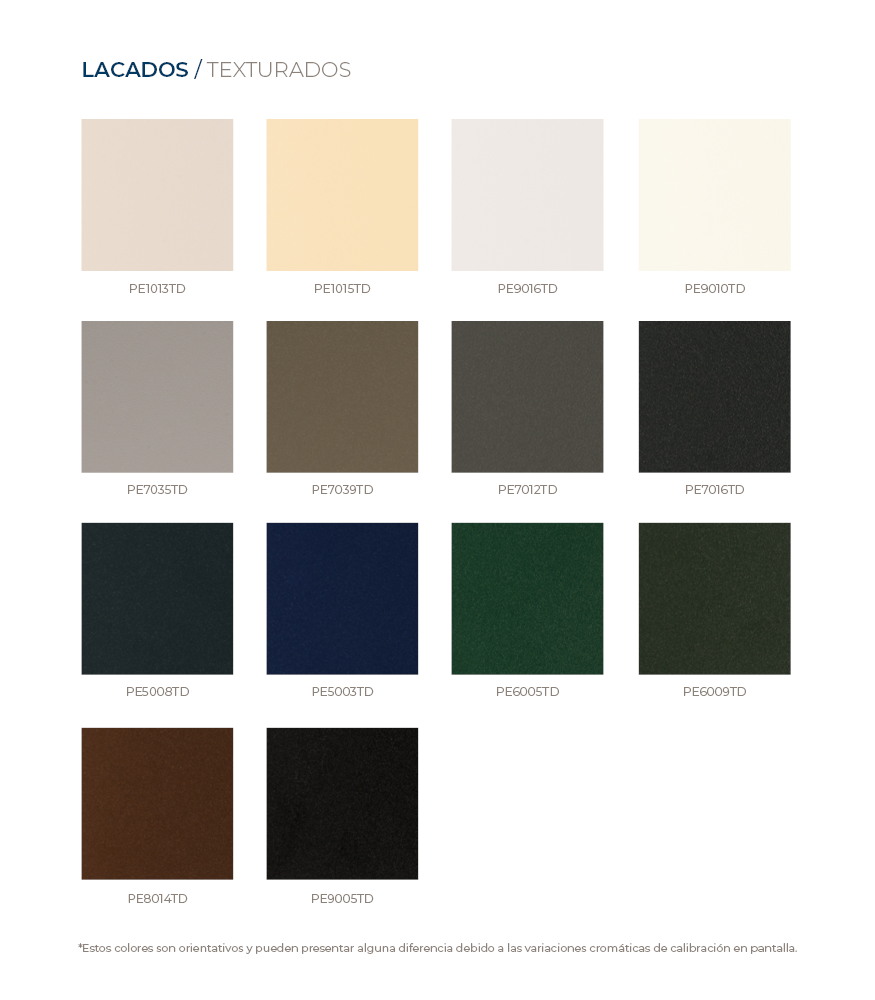
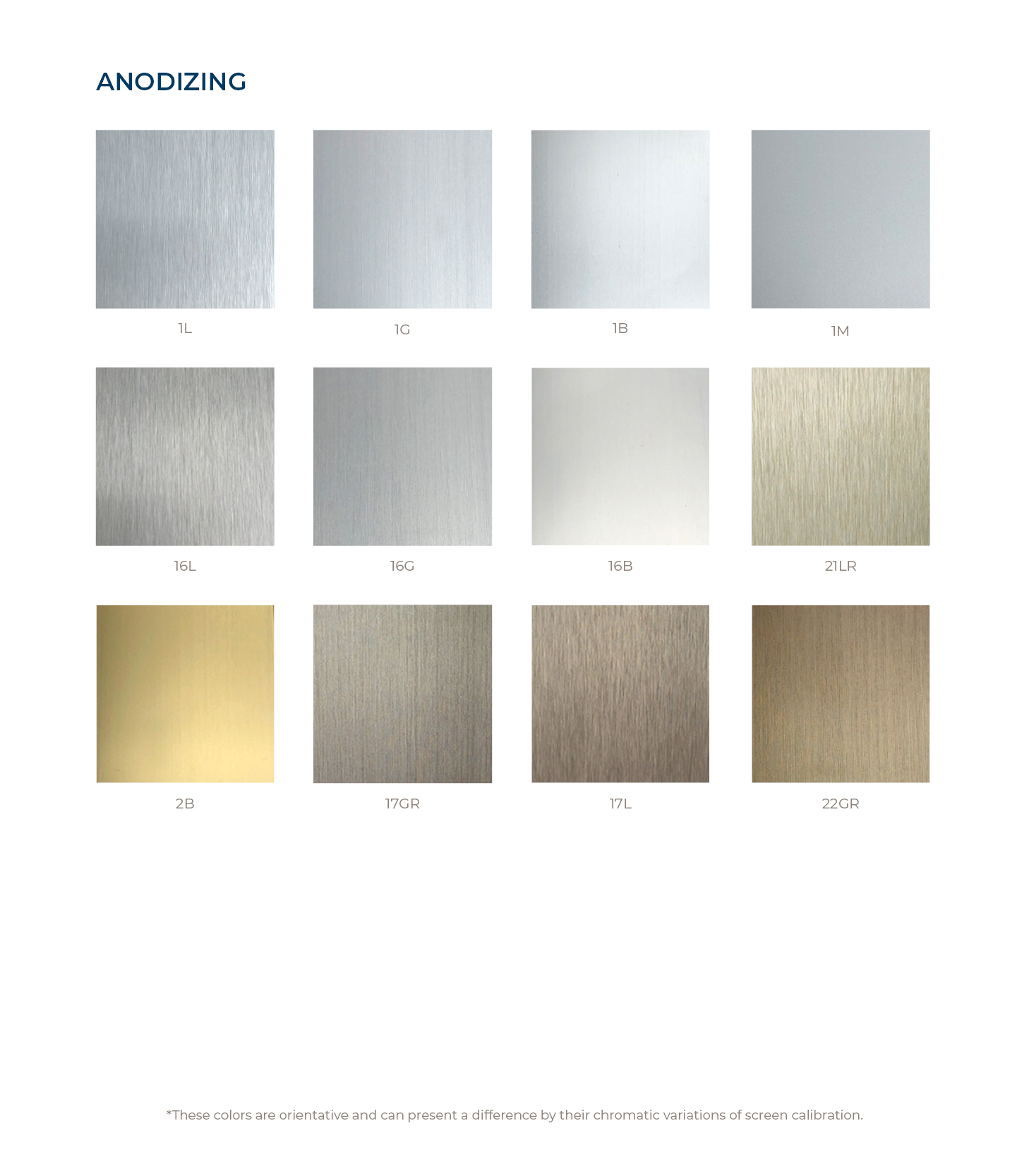
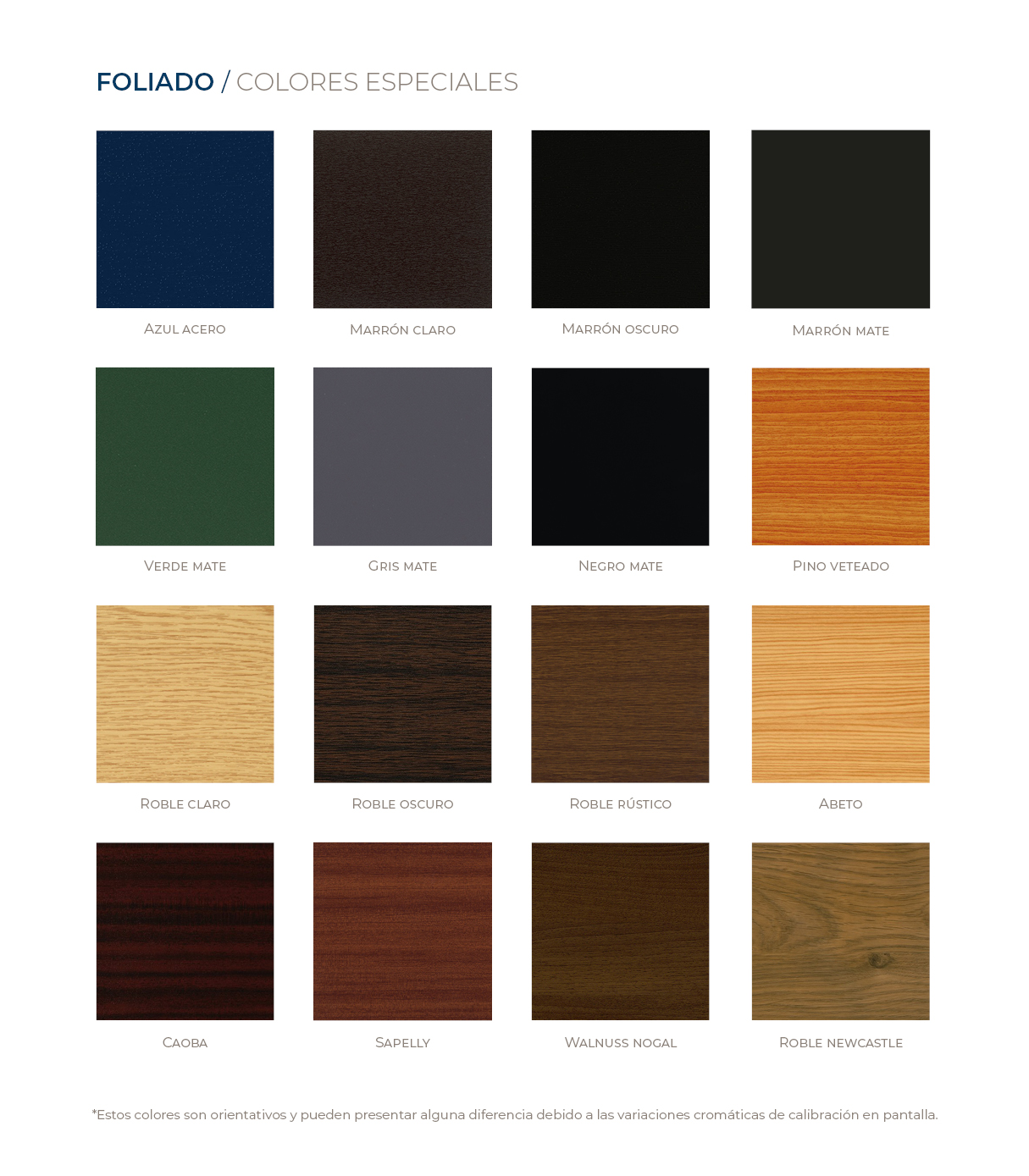
- Finish choices: Any RAL colour, anodising, wood-effect sublimation, antibacterial coating. A "Bicolour" option is offered.
Tested Performance:
- Profile heat transfer (Uf): from 1.7 W/m²K.
- Window heat transfer (Uw): up to 1.0 W/m²K (with Ug=0.6 glazing unit).
- Watertightness: Class E1200 (outstanding defence against heavy rain).
- Air tightness: Class 4.
- Acoustic damping: up to 44 dB.
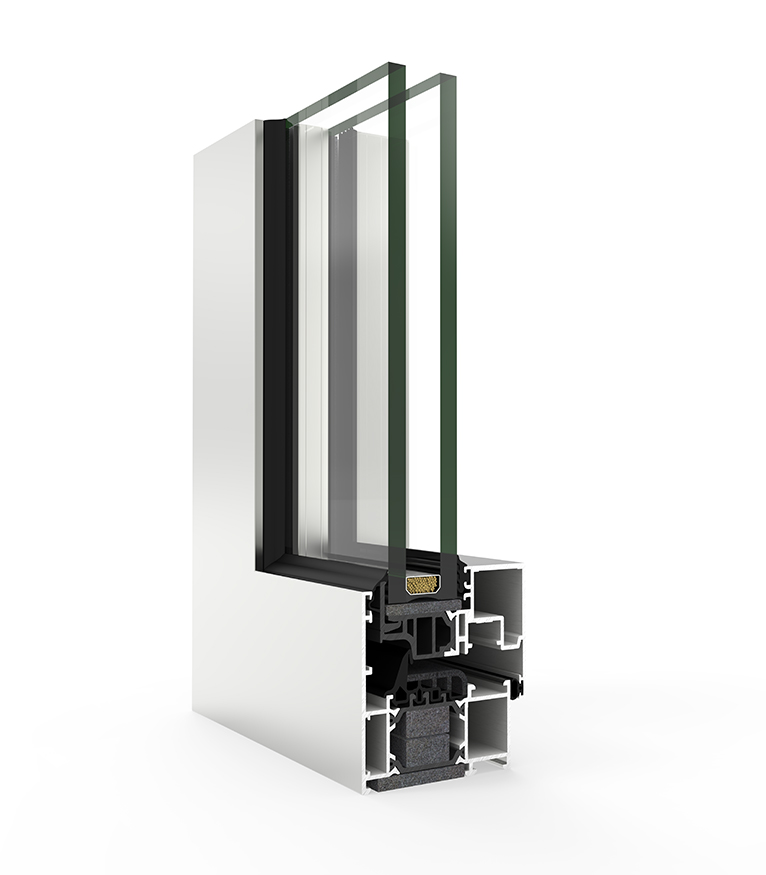
Cortizo COR 70 Hoja Oculta
Design that hides itself. This inventive aluminium system uses a "concealed sash" so that only the frame shows from outside, blurring the line between fixed and opening panes while enlarging the glazed area.
For a standard 2-sash tilt-and-turn window (1200 × 1400 mm) with basic double-glazed unit.
Compare with Similar Profiles
Alternative solutions from other manufacturers
Cortizo COR 70 Industrial
Cortizo COR 80 Industrial
Schüco AWS 65
Schüco AWS 75.SI+
Schüco AWS 75 PD.SI
Side by side
Head to Head: Closest Competitors
How Cortizo COR 70 Hoja Oculta stacks up against the closest matches from other brands.
| Specification | Cortizo COR 70 Hoja OcultaThis profile | Schüco AWS 75.SI+ | Kömmerling EuroFutur Elegance | Veka Softline 82 |
|---|---|---|---|---|
| Brand | Cortizo | Schüco | Kömmerling | VEKA |
| Material | Aluminium | Aluminium | PVC | PVC |
| Profile depth | 70 mm | 75mm | 70 mm | 82mm |
| Chambers | — | — | — | 7 chambers |
| Glass unit, max | up to 40 mm | up to 61mm | up to 39 mm | up to 52mm |
| Thermal (Uw) | ≤ 1.0 | 0.9 | ≤ 1.1 | 1.0 |
| Sound (Rw, dB) | ≈ 44 Rw(dB) | ≈48 Rw(dB) | ≈ 40 Rw(dB) | ≈47 Rw(dB) |
See all window profiles compared.
Open full comparisonLeave a Review
Customer Reviews
Find out what people are saying about it
No reviews yet. Be the first!
Related Posts

PVC or Aluminium Windows: Which Is Better for Your Spanish Home?
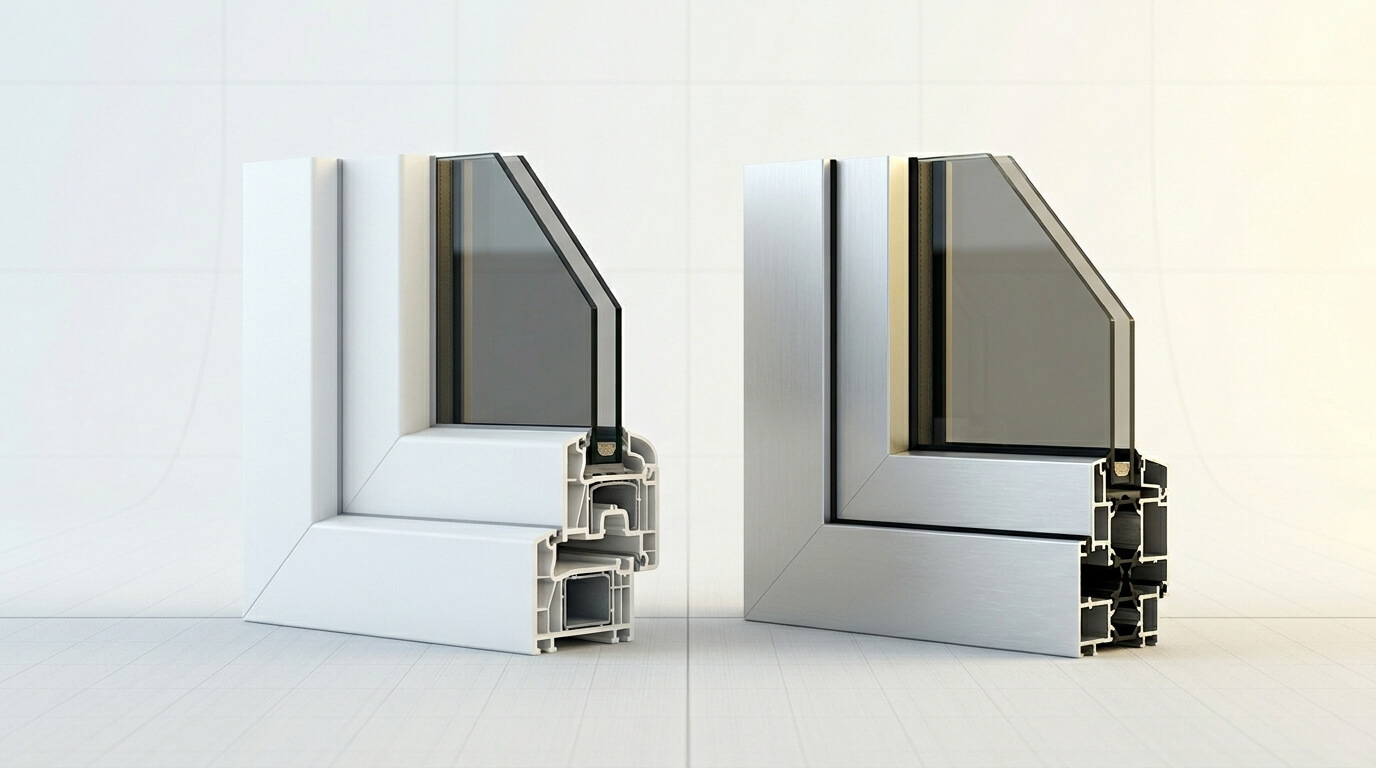
PVC and aluminium are the two frames you will be quoted for almost every window in Spain, and the right answer changes from Valencia to Vigo. This guide compares them head-to-head on insulation, price per m², coastal durability, sizes, colours and noise, then gives a clear verdict by scenario and region.

The Spanish Aluminium Window & Door Market: 2026 Report
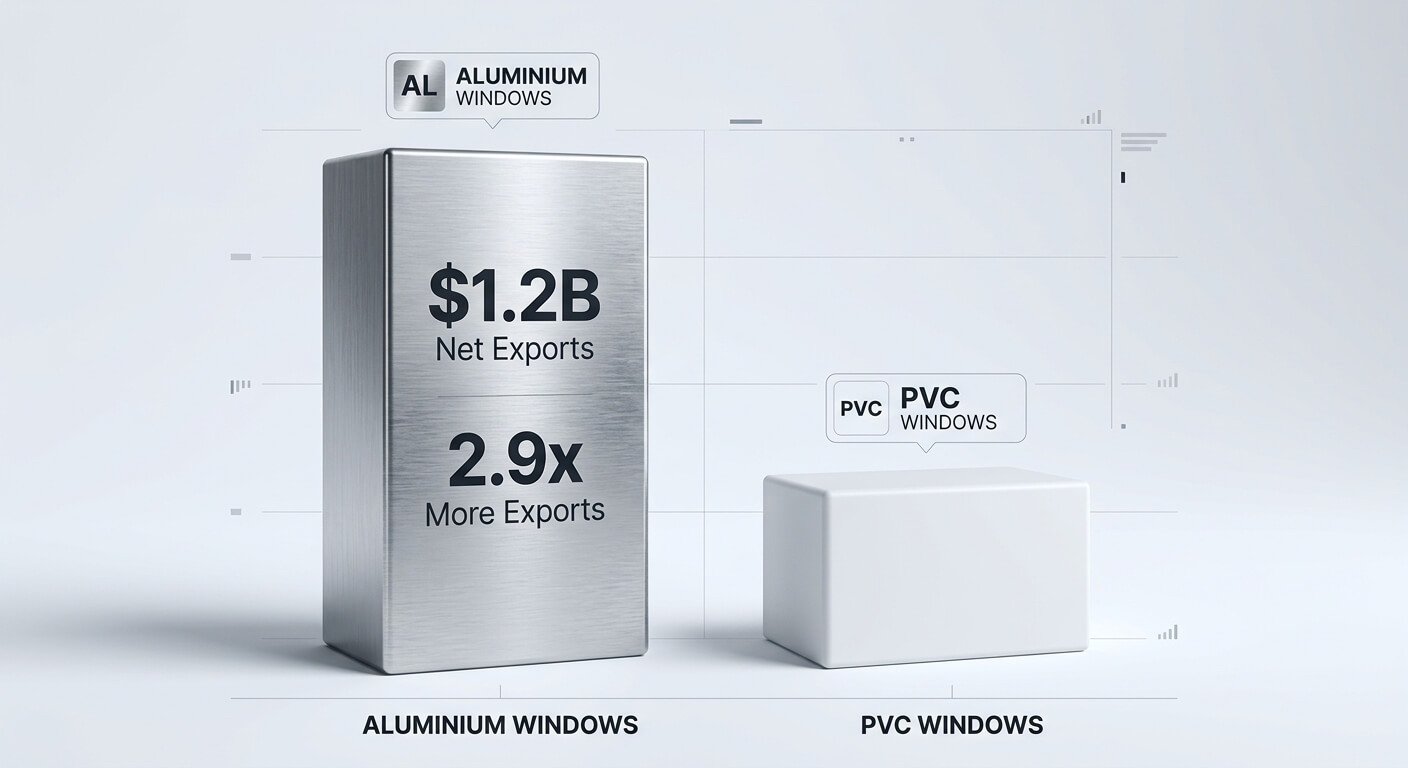
Aluminium is Spain's home-team window material — and the customs data shows why. Spain net-exports roughly $1.2 billion of aluminium extrusions and finished windows a year, shipping to France, the UK and Latin America, led by Galician giants like Cortizo. A full data report on the aluminium value chain, who makes it, the thermal-break problem, and where PVC is eating in.

Tilt-and-Turn Windows (Oscilobatiente): What They Are and Why They're So Popular
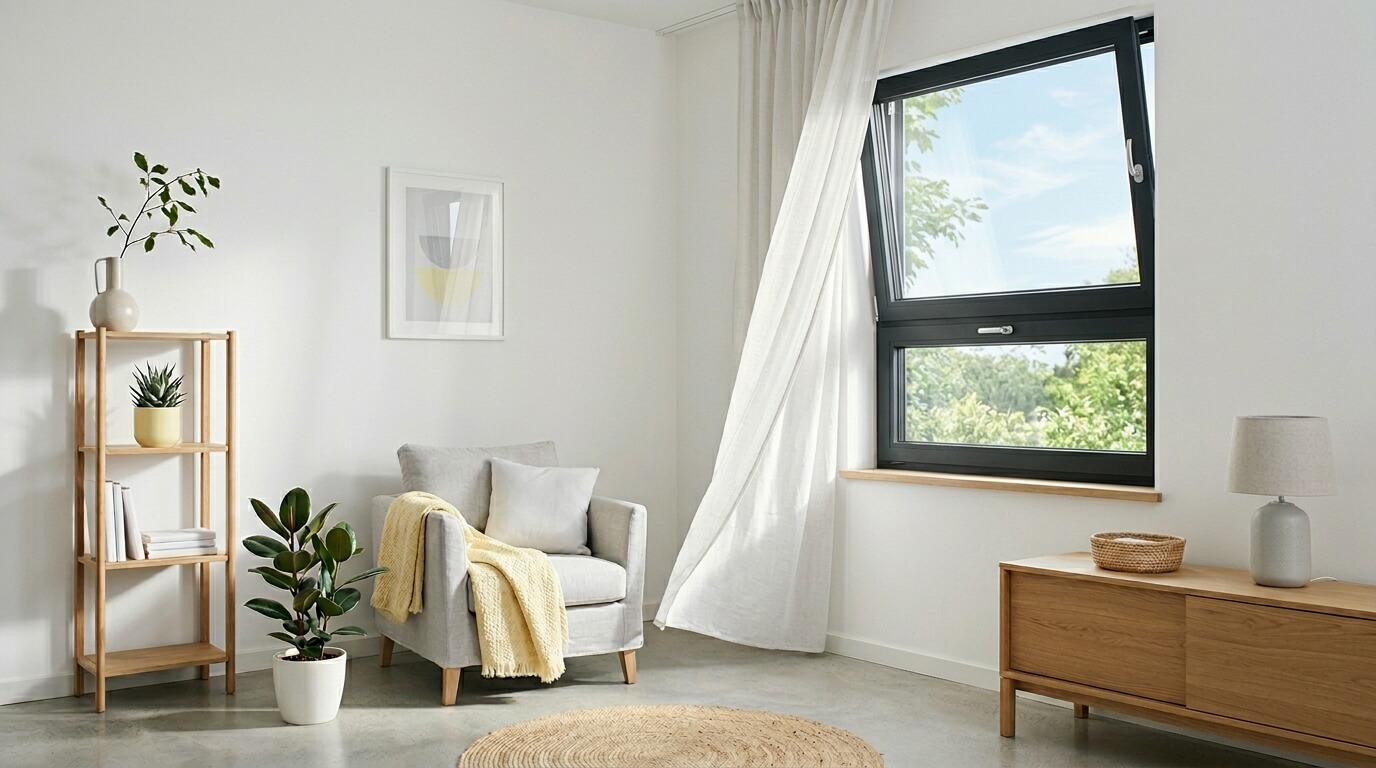
The oscilobatiente window opens two ways from a single handle: tilt inward for safe ventilation or swing fully open for cleaning. Here's how the mechanism works, how it compares with sliding and casement windows, and what it costs in Spain in 2026.

Choosing the Right Windows for Each Room: Bedroom, Kitchen, Bathroom and More
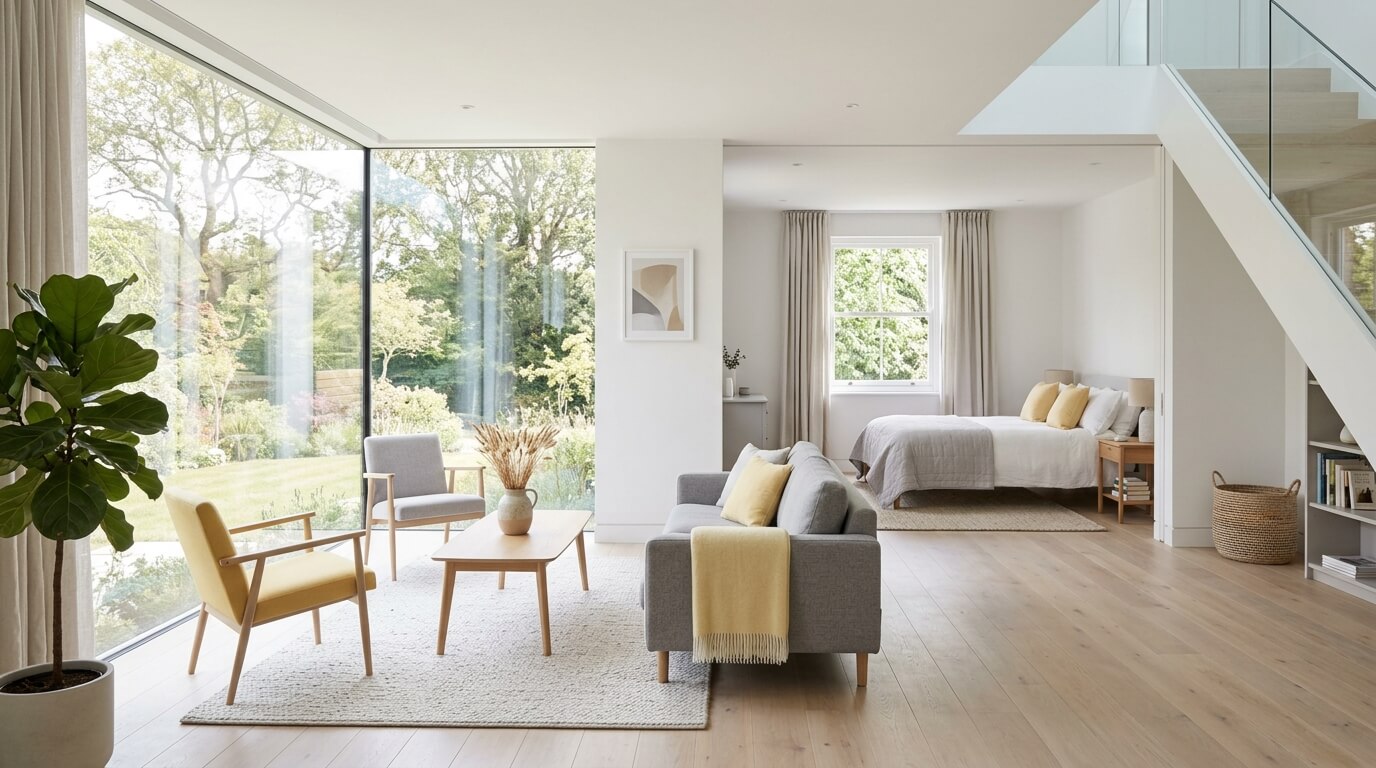
The best window for a bedroom is not the best window for a kitchen, a bathroom or a living room. This room-by-room guide explains what to prioritise in each space — acoustics and blackout for sleeping, easy-clean ventilation for cooking, privacy and moisture resistance for bathrooms, light and views for living areas, safety for children's rooms — so every window in the house earns its place.

How to Choose Triple-Glazed Windows (and When Double Glazing Is Enough)
Triple glazing is the default in the Alps and Scandinavia, but in Spain it only pays off in the right climate. This guide explains what triple glazing actually does, where in Spain it makes sense (the cold interior and mountains), where it is a waste of money, and exactly what to specify — so you can compare like-for-like quotes from verified companies on Estimia.

Soundproof Windows: How to Cut Outside Noise in Spain
Traffic, terraces, airports and nightlife — Spanish streets are loud, and your windows are the weakest link. This guide explains acoustic ratings (dB and Rw), exactly what makes a window quiet, the realistic noise reduction you can expect, and precisely what to specify in a quote so you can compare verified companies on equal terms.
FAQs
Frequently Asked Questions about Cortizo COR 70 Hoja Oculta
What are the exact thermal and build specs of the COR 70 Hoja Oculta?
It is a 70 mm deep aluminium system built on prime-processed 6063 T5 alloy with a 1.9 mm profile wall gauge. The RPT thermal break uses 35 mm glass-fibre-reinforced polyamide bridges, giving a profile Uf from 1.7 W/m²K and a whole-window Uw down to 1.0 W/(m²·K). A triple-seal gasket arrangement secures Class 4 air tightness.
What is the maximum glazing thickness, and why is it capped at 40 mm?
The concealed-sash geometry limits the glazing unit to up to 40 mm, accepting double or triple energy-efficient and tempered units. To reach the headline Uw of 1.0 W/m²K you pair it with a high-performance Ug=0.6 glazing unit. The hidden-sash channel simply leaves less room for the very thick panes that deeper systems can swallow.
What size and weight limits apply, and when is it not the right choice?
Each sash is capped at 1300 mm wide, 2400 mm tall and 100 kg. For openings beyond those dimensions, or where you need glazing thicker than 40 mm, this is not the system to specify. Watertightness is rated Class E1200 and air tightness Class 4; no impact, wind-load or burglary-resistance class is published, so verify those separately.
How does it differ from the standard COR 70 Industrial?
Both share the 70 mm platform and 35 mm thermal break, so thermal performance is matched at Uw ≤ 1.0 W/(m²·K) and acoustics at ≈ 44 dB. The trade-offs are aesthetic versus capacity:
- Hoja Oculta hides the sash, showing only 66 mm of frame
- COR 70 Industrial takes thicker glazing, up to 55 mm versus 40 mm
How does the concealed sash work and what does it do for the look?
The opening sash tucks behind the outer frame line, so from the street only the frame is visible and fixed and opening panes blur into one. Just 66 mm of aluminium is on show, among the slimmest faces on the market. Indoors the window keeps a normal visible sash and handle and behaves like any standard unit.
Does hiding the sash really increase the glazed area and light?
Yes. By concealing the sash and exposing only a 66 mm frame face, the design enlarges the visible glazed area and lets in appreciably more daylight, an effect most noticeable on smaller openings. Finishes do not compromise this: any RAL colour, anodising, wood-effect sublimation, antibacterial coating and a Bicolour option are available.