UW- value 1.0

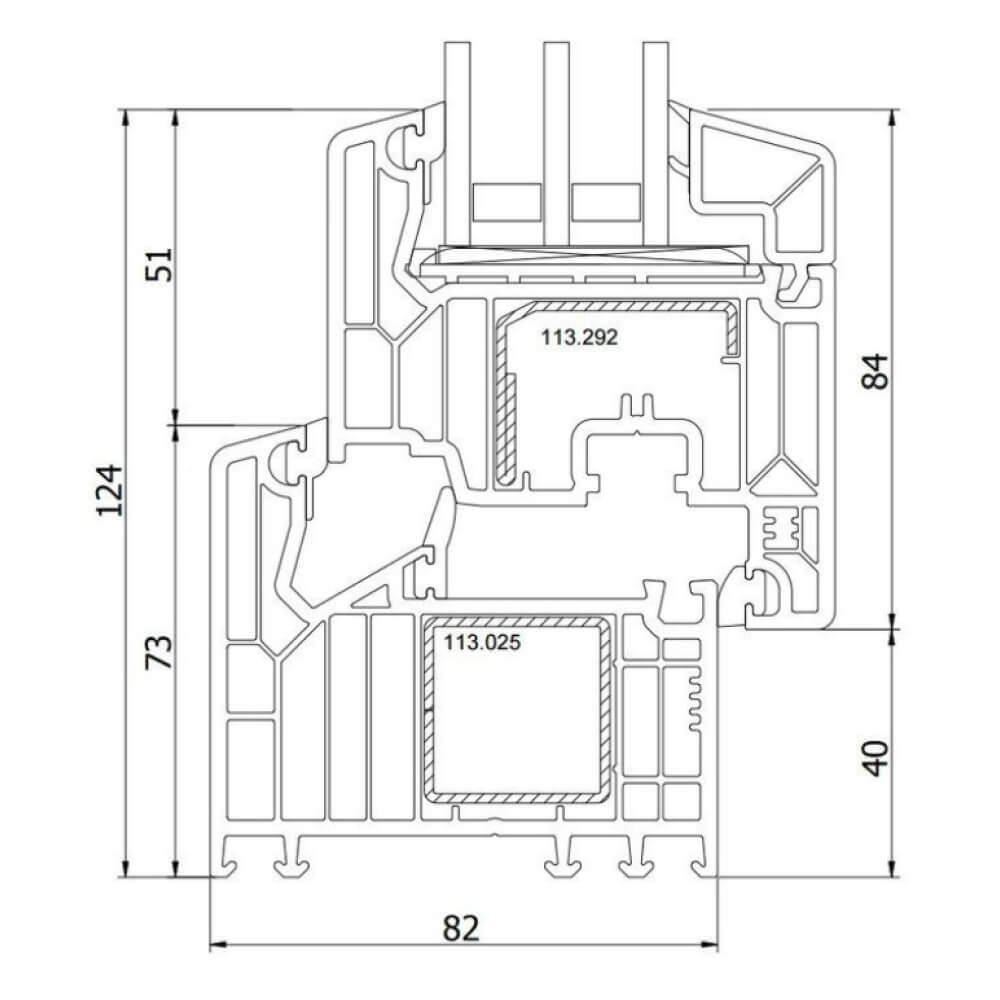
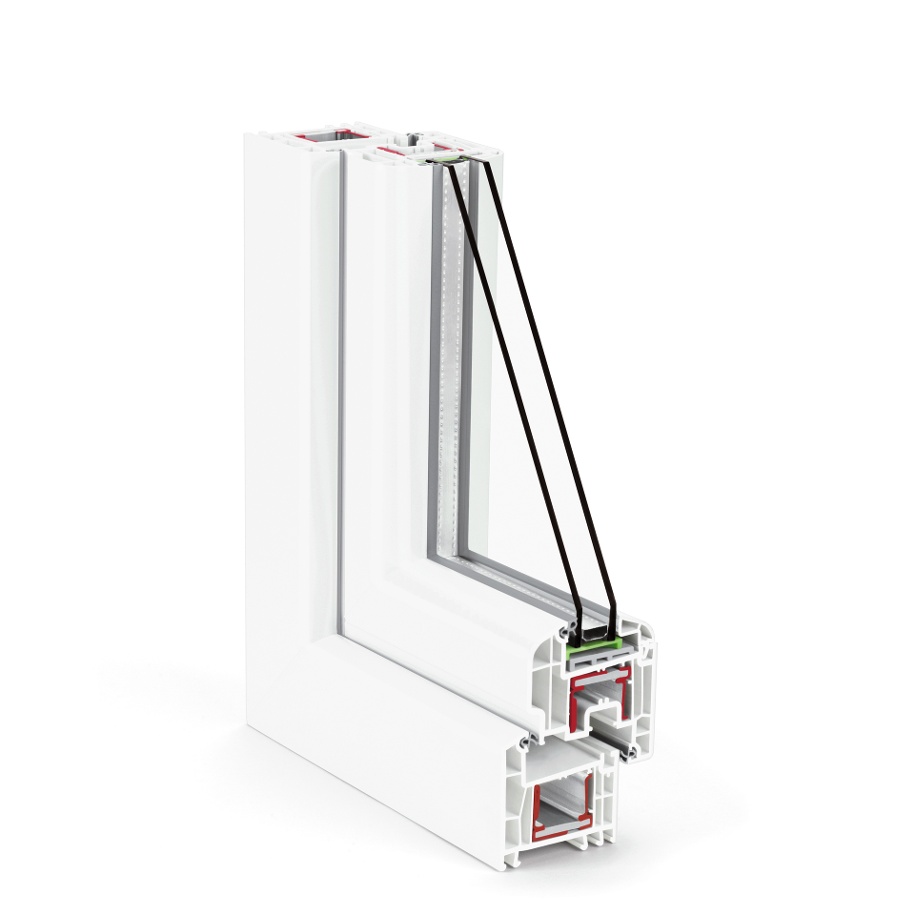
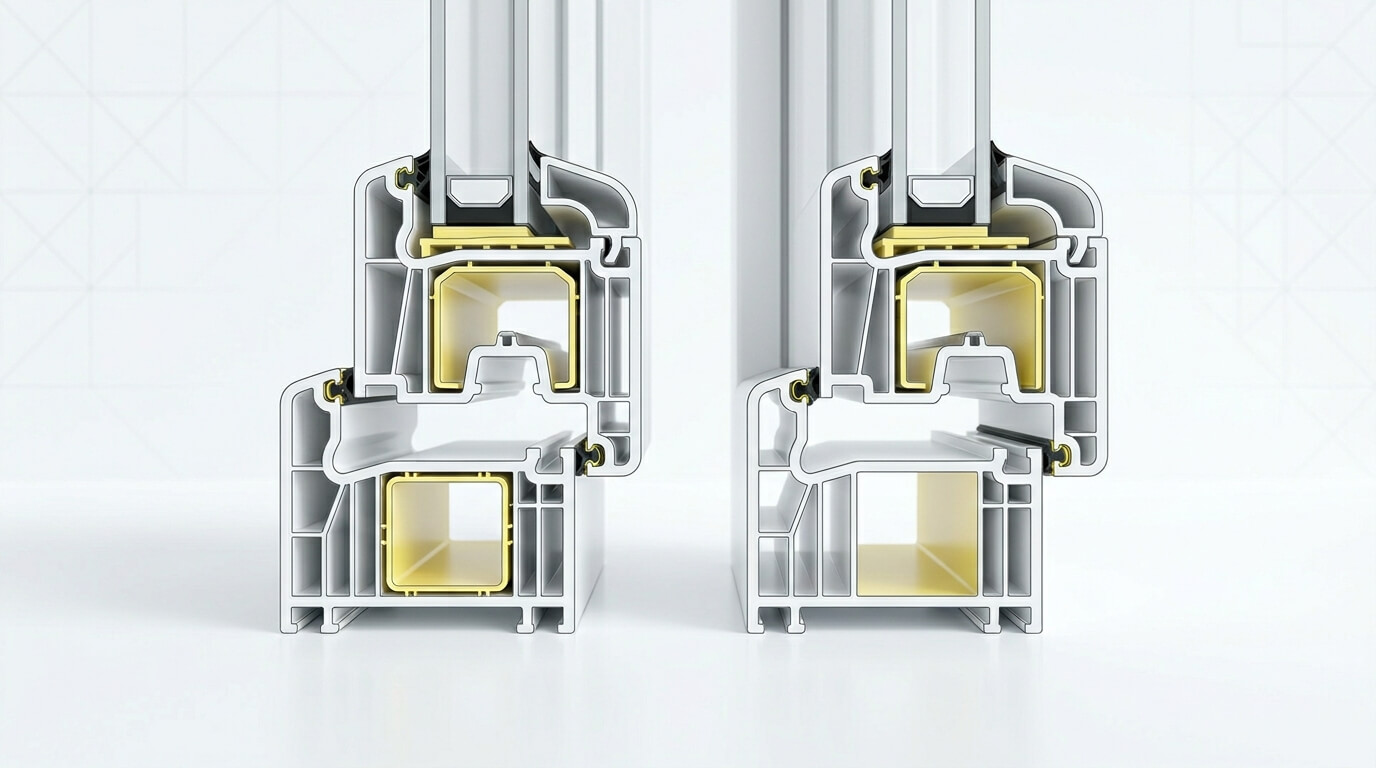
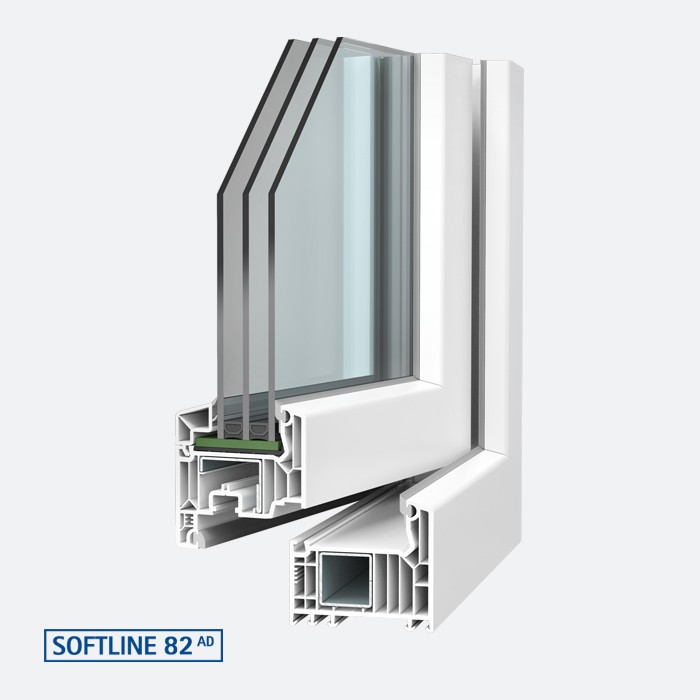
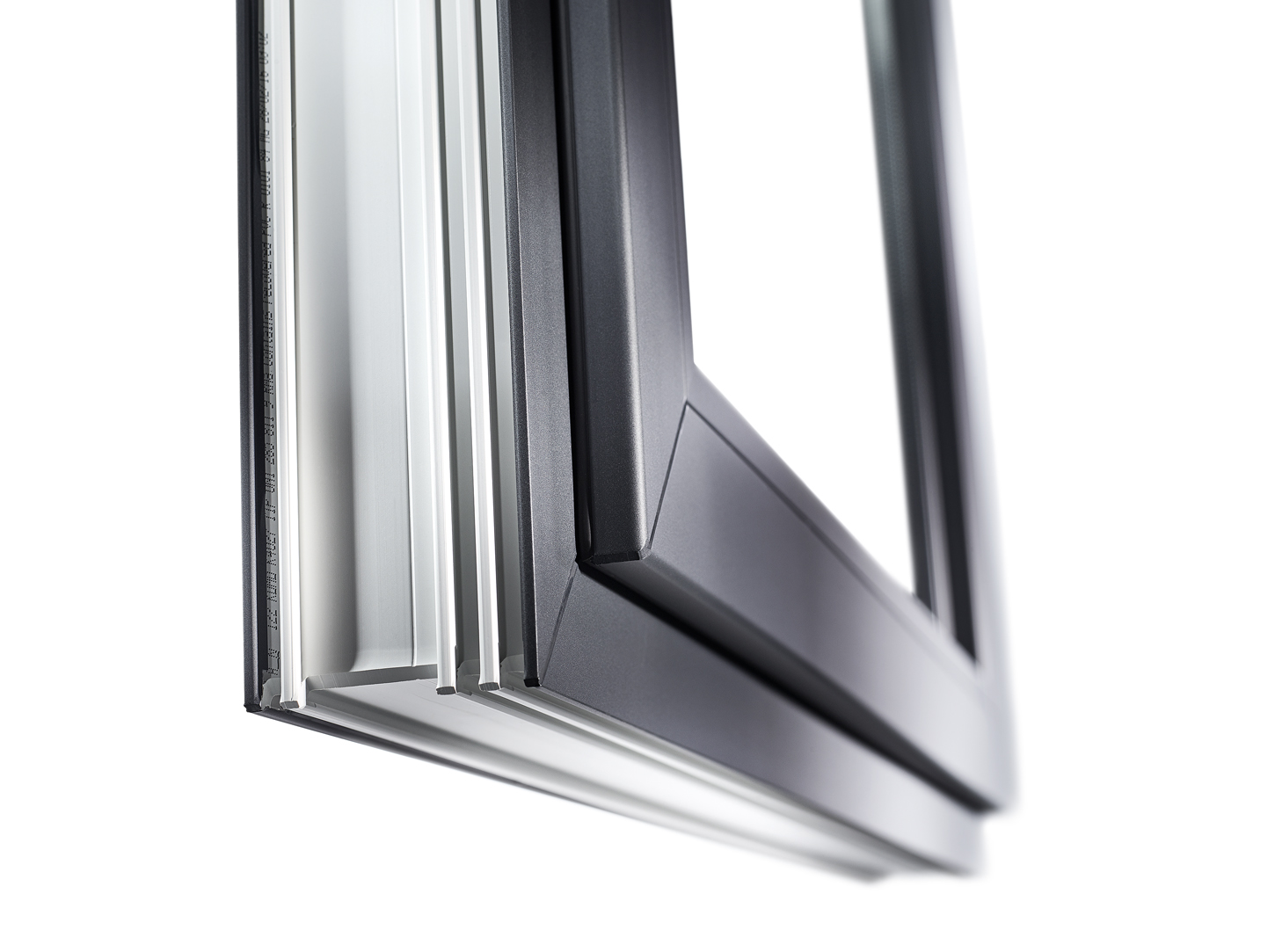
Veka Softline 82 is a premium-tier system built for passive houses and cottages with demanding energy-saving targets. Its expanded 82 mm installation width and 7-chamber frame deliver record-setting thermal insulation that holds heat in even through the harshest winters. A third, central sealing circuit splits the inner cavity into two chambers, adding an extra air barrier and dependably shielding the hardware from moisture.

As with every Veka system, Softline 82 is produced with Class "A" walls (3 mm thick), giving the structure exceptional rigidity and longevity. The deeper rebate accepts glass units up to 52 mm thick set at a generous 25 mm seating depth, which cuts the risk of edge condensation to a minimum and noticeably raises a room's acoustic insulation.

Brand

VEKA

Veka — one of the oldest and largest PVC profile manufacturers in the world. The company is known for its signature Softline design with rounded edges and consistently high quality. If you're looking for reliable windows with a classic look — Veka is an excellent choice.

More about VEKA

Technical Specifications

Details

The flagship of energy efficiency. A 7-chamber profile measuring 82 mm with three sealing circuits (MD) engineered to hold heat in to the greatest possible extent.

Energy Efficiency
A++
Profile Chambers
7 chambers
Profile Depth
82mm
Profile Height
124mm
Glass Unit
up to 52mm
Thermal Protection
Uw ≤ 0.80 W/(m²·K)
Sound Insulation
≈47 Rw(dB)

Engineering Specifications:

  • Build depth: 82 mm (the energy-saving benchmark).
  • Chamber count: 7 chambers in the frame / 6 chambers in the sash. The many-chambered design efficiently halts air movement within the profile.
  • Profile grade: Class "A" (3 mm wall). Sturdiness and strength meeting exacting German norms.
  • Gasket arrangement: MD (Mitteldichtung) — three gasket lines. The central seal lip on the frame boosts air-tightness.
  • Stiffening: Robust closed square section in the frame. Supplies the load-bearing capacity needed for weighty triple-chamber glass units.

Glazing and Infill Choices:

  • Infill thickness span: from 24 mm to 52 mm.
  • Glass unit rebate depth: 25 mm (deep-seat engineering that guards the edge against freezing).
  • Distinctive options: A bonded glass unit can be set in the sash to build oversized structures.

Profile Geometry and Sizes (Window):

  • Combined profile height: 124 mm.
  • Sash build: A dedicated overlap geometry that conceals the gasket for a refined appearance.
  • Rebate heat engineering: An isothermal rebate layout that evens out temperature spread inside the profile.

Tested Performance (according to DIN EN 14351-1):

  • Frame thermal value (Uf): 1.0 W/m²K (satisfies passive house criteria).
  • Heat resistance (R0): 1.06 m²°C/W and above (with a thermal module in the reinforcement).
  • Acoustic rating (Rw): up to 47-50 dB (noise protection class 5).
  • Intrusion resistance: up to RC3 class.
  • Air tightness and rain defense: Class 4 / 9A (top-tier protection courtesy of the central circuit).
Documentation

Downloadable PDF data sheet with technical specifications for the Veka Softline 82
Technical Specifications
PDF. 654Kb

Veka Softline 82

The flagship of energy efficiency. A 7-chamber profile measuring 82 mm with three sealing circuits (MD) engineered to hold heat in to the greatest possible extent.

Average market price:

For a standard 2-sash tilt-and-turn window (1200 × 1400 mm) with basic double-glazed unit.

Calculate your window

Compare with Similar Profiles

Alternative solutions from other manufacturers

UW- value 1.3

Veka Softline 70

The gold standard for rigidity. A Class "A" profile featuring closed reinforcement that delivers outstanding stability together with excellent thermal performance.
Energy Efficiency
A
Profile Chambers
5 chambers
Profile Depth
70mm
Profile Height
112mm
Glass Unit
up to 42mm
Thermal Protection
Uw ≤ 1.3 W/(m²·K)
Sound Insulation
≈45 Rw(dB)
UW- value 1.1

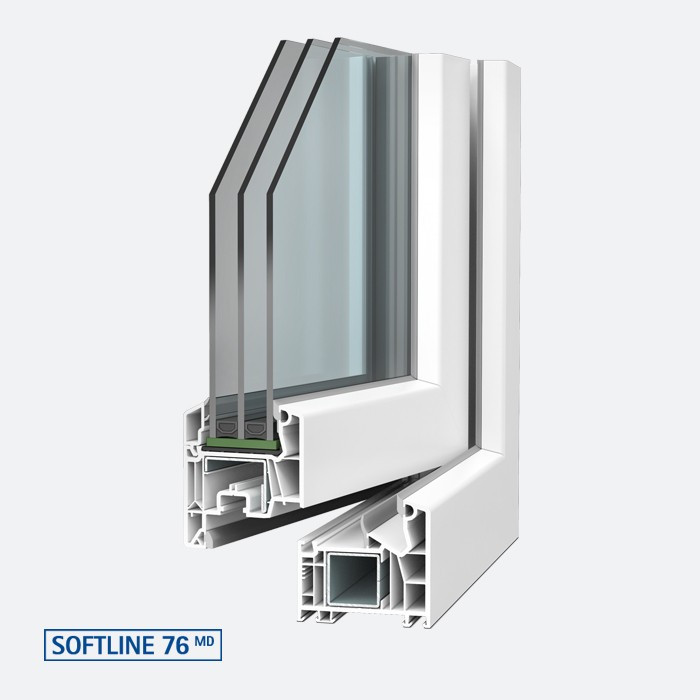
Veka Softline 76

Today's energy-efficiency benchmark. At 76 mm and Class "A", it strikes an ideal balance between thermal insulation and the amount of daylight it lets through.
Energy Efficiency
A+
Profile Chambers
5 chambers
Profile Depth
76mm
Profile Height
112mm
Glass Unit
up to 48mm
Thermal Protection
Uw ≤ 1.1 W/(m²·K)
Sound Insulation
≈47 Rw(dB)
UW- value 1.1

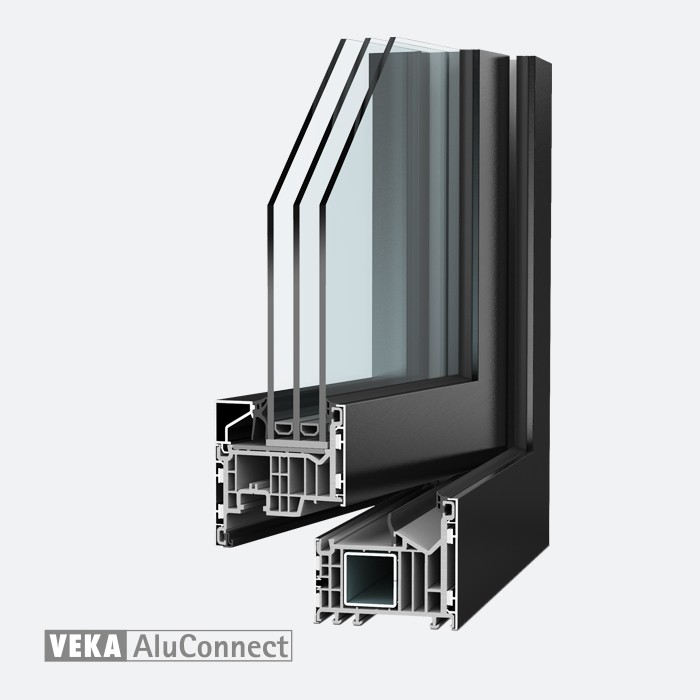
Veka AluConnect

A game-changing hybrid. A structural aluminium profile faces the outside while a warm PVC core sits within. It pairs an aluminium look with the thermal insulation of plastic.
Energy Efficiency
A++
Core Chambers
Multi-chamber
Profile Depth
82mm
Profile Height
114mm
Glass Unit
up to 58mm
Thermal Protection
Uw ≤ 1.1 W/(m²·K)
Sound Insulation
≈46 Rw(dB)
UW- value 1.3

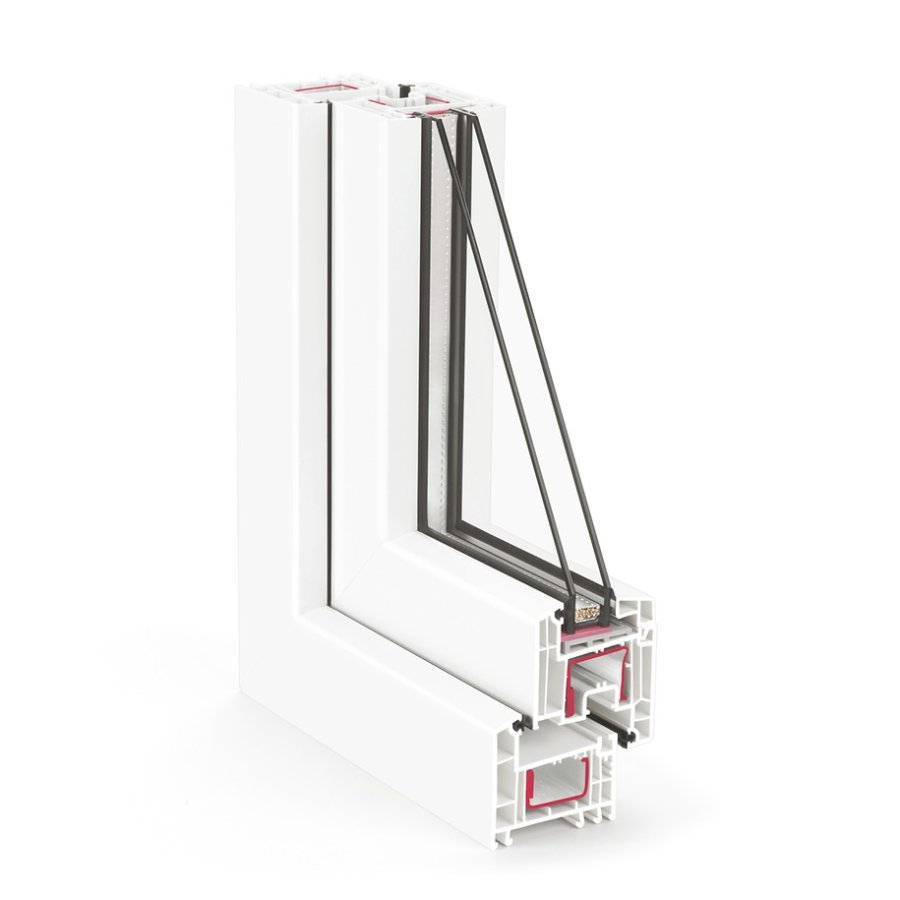
Rehau Euro-design 70

A traditional 5-chamber profile with a 70 mm depth, dependable and budget-friendly for everyday building projects. Finished with an HDF surface.
Energy rating
A
Profile chambers
5 chambers
Profile depth
70mm
Profile height
108mm
Glass unit
up to 40mm
Thermal protection
Uw ≤ 1.3 W/(m²·K)
Sound insulation
≈43 Rw(dB)
UW- value 0.94

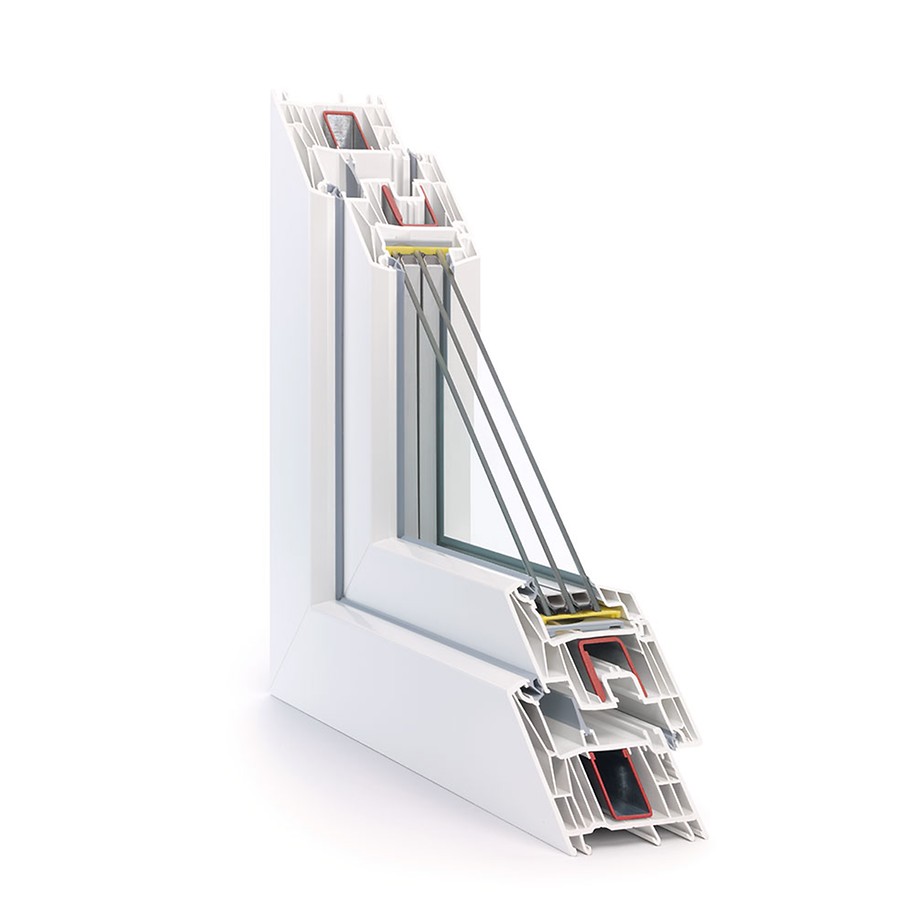
Rehau Synego

A 7-chamber profile at 80 mm depth that delivers strong thermal and acoustic insulation for a comfortable home. HDF finish.
Energy rating
A++
Profile chambers
7 chambers
Profile depth
80mm
Profile height
117mm
Glass unit
up to 51mm
Thermal protection
Uw ≤ 0.94 W/(m²·K)
Sound insulation
≈46 Rw(dB)
UW- value 1.2

Rehau Brillant-Design 70

A premium 70 mm profile with a refined look, a smooth HDF surface and solid thermal insulation. HDF
Energy rating
A
Profile chambers
5 chambers
Profile depth
70mm
Profile height
116mm
Glass unit
up to 42mm
Thermal protection
Uw ≤ 1.2 W/(m²·K)
Sound insulation
≈43 Rw(dB)

Side by side

Head to Head: Closest Competitors

How Veka Softline 82 stacks up against the closest matches from other brands.

SpecificationVeka Softline 82This profileRehau SynegoWDS 8SKömmerling Xtrem 76 AD
BrandVEKAREHAUWDSKömmerling
MaterialPVCPVCPVCPVC
Profile depth82mm80mm82mm76 mm
Chambers7 chambers7 chambers6 chambers
Glass unit, maxup to 52mmup to 51mm44 mm / 52 mmup to 50 mm
Thermal (Uw)1.00.940.88≤ 0.9
Sound (Rw, dB)≈47 Rw(dB)≈46 Rw(dB)≈48 Rw(dB)≈ 44 Rw(dB)

See all window profiles compared.

Open full comparison

Leave a Review

Customer Reviews

Find out what people are saying about it

0.0
Average rating
0 reviews
5 ★
0
4 ★
0
3 ★
0
2 ★
0
1 ★
0

No reviews yet. Be the first!

Related Posts

PVC or Aluminium Windows: Which Is Better for Your Spanish Home?

PVC or Aluminium Windows: Which Is Better for Your Spanish Home?

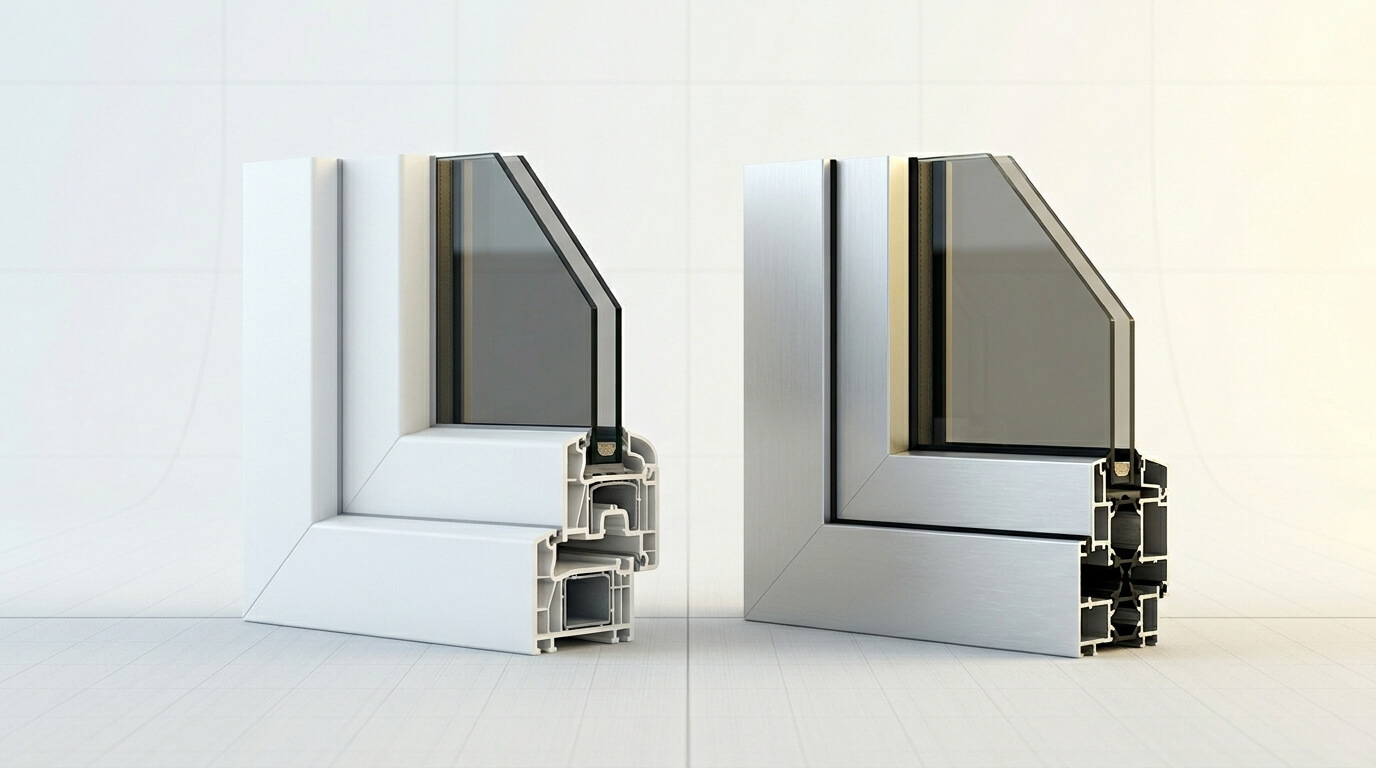
PVC and aluminium are the two frames you will be quoted for almost every window in Spain, and the right answer changes from Valencia to Vigo. This guide compares them head-to-head on insulation, price per m², coastal durability, sizes, colours and noise, then gives a clear verdict by scenario and region.

The Spanish PVC Window & Door Market: 2026 Report

The Spanish PVC Window & Door Market: 2026 Report

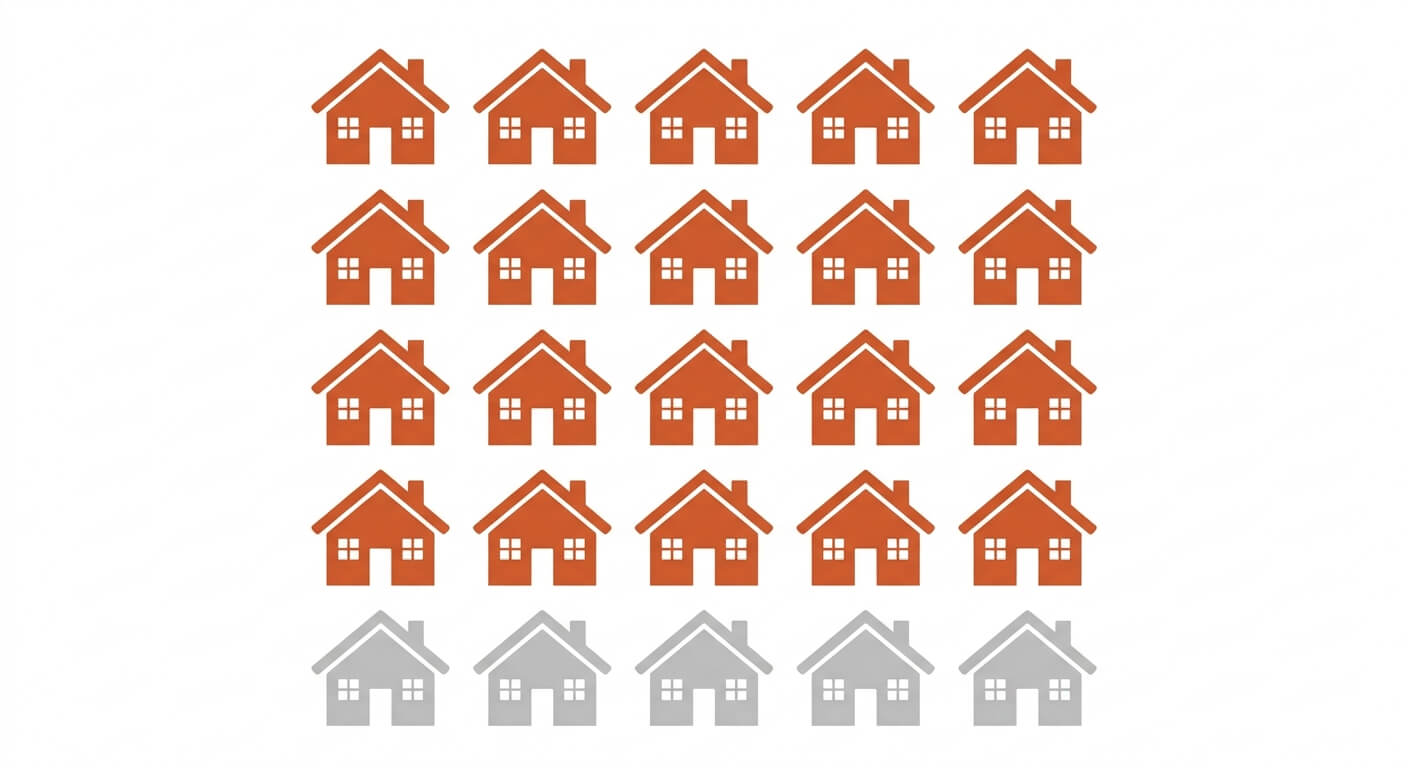
A full data report on windows and doors in Spain: the PVC value chain traced through customs data (resin, profiles, finished units), where Spain buys its profiles and ships its windows, the €4.16-billion domestic sector, the swing from aluminium to PVC, and the subsidy bottleneck holding back a 20-million-home renovation backlog.

Best PVC Window Brands in Spain: An Independent Comparison

Best PVC Window Brands in Spain: An Independent Comparison

A neutral, like-for-like comparison of the PVC profile brands sold in Spain — Kömmerling, Veka, Rehau, Deceuninck, Schüco and the major Spanish systems — by chambers, Uw, reinforcement and price tier. We also explain why the company that fits the window matters at least as much as the brand on the box.

Tilt-and-Turn Windows (Oscilobatiente): What They Are and Why They're So Popular

Tilt-and-Turn Windows (Oscilobatiente): What They Are and Why They're So Popular

The oscilobatiente window opens two ways from a single handle: tilt inward for safe ventilation or swing fully open for cleaning. Here's how the mechanism works, how it compares with sliding and casement windows, and what it costs in Spain in 2026.

Choosing the Right Windows for Each Room: Bedroom, Kitchen, Bathroom and More

Choosing the Right Windows for Each Room: Bedroom, Kitchen, Bathroom and More

The best window for a bedroom is not the best window for a kitchen, a bathroom or a living room. This room-by-room guide explains what to prioritise in each space — acoustics and blackout for sleeping, easy-clean ventilation for cooking, privacy and moisture resistance for bathrooms, light and views for living areas, safety for children's rooms — so every window in the house earns its place.

How to Choose Triple-Glazed Windows (and When Double Glazing Is Enough)

How to Choose Triple-Glazed Windows (and When Double Glazing Is Enough)

Triple glazing is the default in the Alps and Scandinavia, but in Spain it only pays off in the right climate. This guide explains what triple glazing actually does, where in Spain it makes sense (the cold interior and mountains), where it is a waste of money, and exactly what to specify — so you can compare like-for-like quotes from verified companies on Estimia.

FAQs

Frequently Asked Questions about Veka Softline 82

What are the exact thermal specs of the Softline 82 profile?

Softline 82 is a 7-chamber frame (6 in the sash) with an 82 mm build depth and three MD sealing circuits. The frame thermal value is Uf 1.0 W/m²K, and with the right glazing the whole window reaches Uw ≤ 0.80 W/(m²·K). The frame carries a closed square steel reinforcement to support heavy units.

Is Softline 82 genuinely suitable for a passive house?

Yes. With its 82 mm depth and Uf 1.0 W/m²K, it is one of the few PVC systems that reach Uw ≤ 0.80 W/(m²·K), the level demanded for passive house certification. This requires the correct specification — a warm glass unit and thermal inserts in the reinforcement (raising R₀ to 1.06 m²°C/W and above).

What is the maximum glazing thickness, and why does the deep rebate matter?

The system accepts infill from 24 mm to 52 mm, with a 25 mm glass rebate depth. That deep seating lets you fit wide triple-glazed units while guarding the edge seal against freezing. A bonded glass unit can also be set into the sash to build oversized structures.

When is Softline 82 the wrong choice?

Honestly, not every project needs it. Consider a lighter system if:

  • Your climate is mild — Uw ≤ 0.80 is overkill where Softline 70's 1.3 or 76's 1.1 W/(m²·K) suffice;
  • Budget is tight — at €620–760 it is nearly double Softline 70's €340–400;
  • You need very large sliding spans — that calls for a Vekamotion 82 HS-portal instead.

How does Softline 82 compare to Softline 76 by the numbers?

Softline 82 steps up from Softline 76 on every front: 7 chambers versus 5, an 82 mm depth versus 76 mm, and glazing up to 52 mm versus 48 mm. Thermally it moves from Uw ≤ 1.1 to ≤ 0.80 W/(m²·K), and from energy class A+ to A++. Three MD seals come as standard.

Why pick Softline 82 over the entry-level Softline 70?

Softline 70 is the A-class workhorse — 5 chambers, 70 mm depth, glazing to 42 mm and Uw ≤ 1.3 W/(m²·K). Softline 82 nearly halves heat loss to Uw ≤ 0.80 via its 7-chamber, 82 mm build and triple sealing, jumping to class A++. Choose 82 for cold climates and energy targets; 70 for value on a sheltered facade.