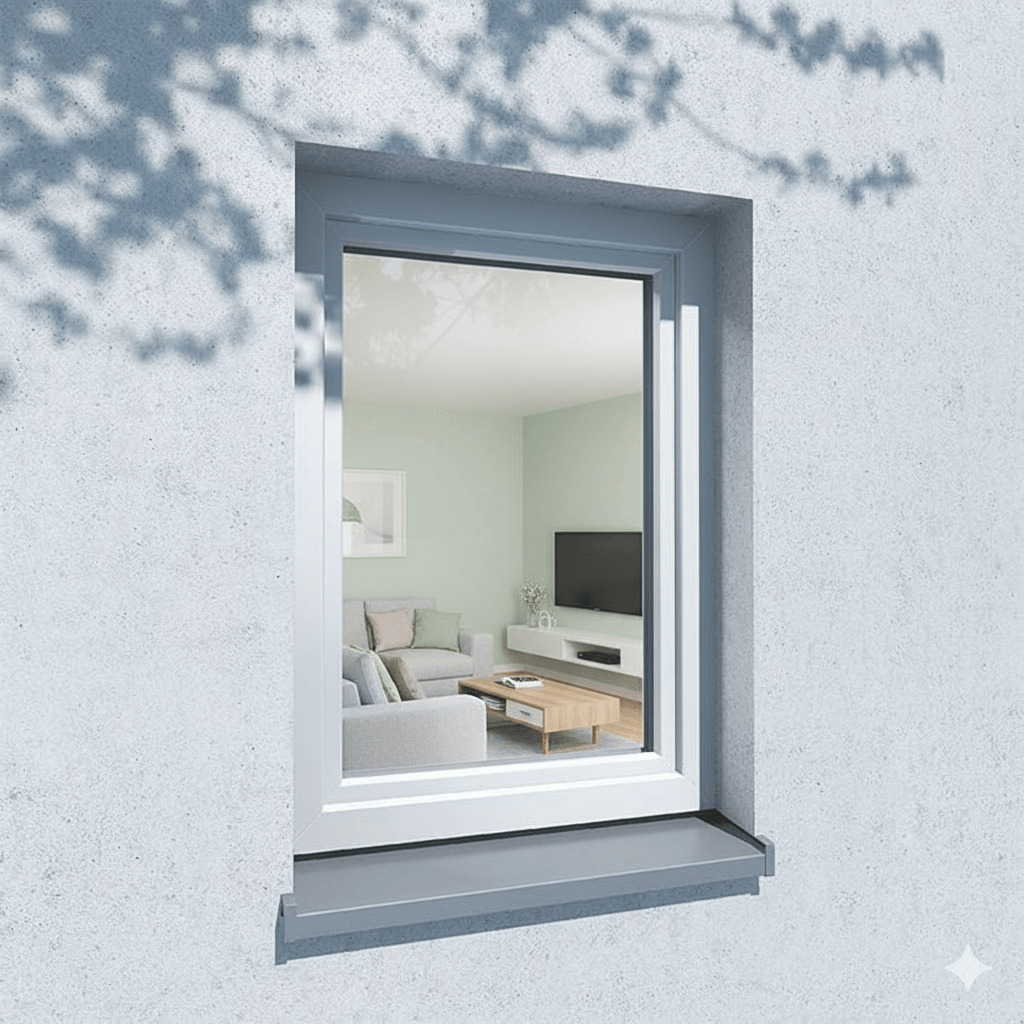
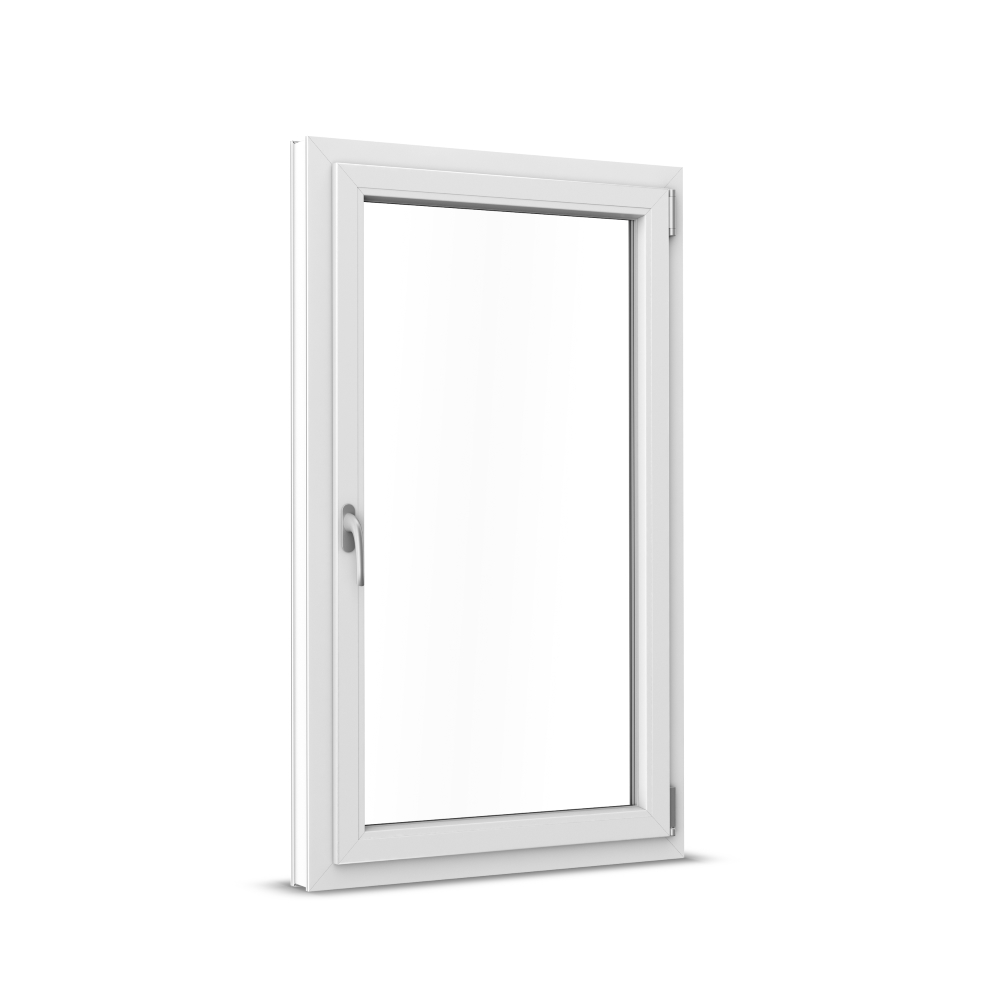
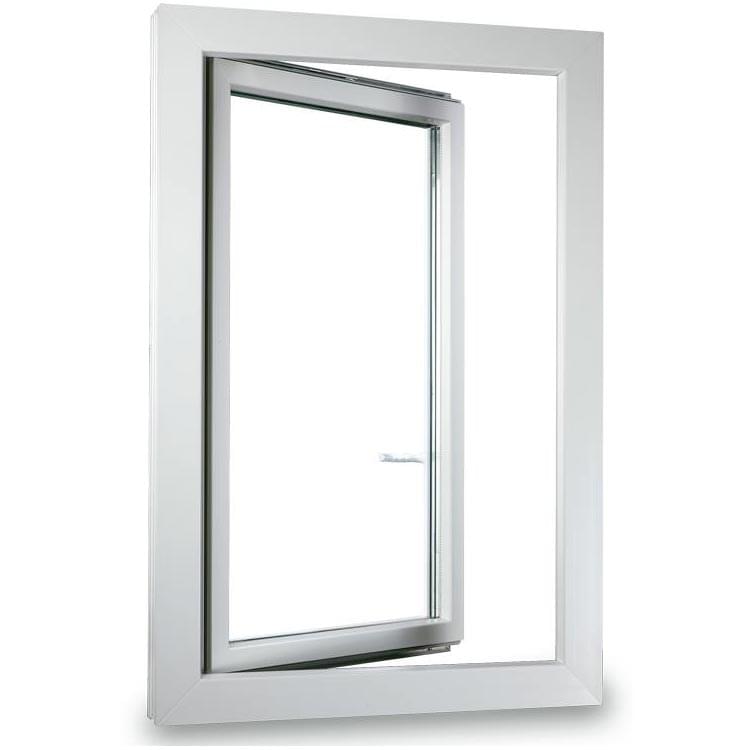
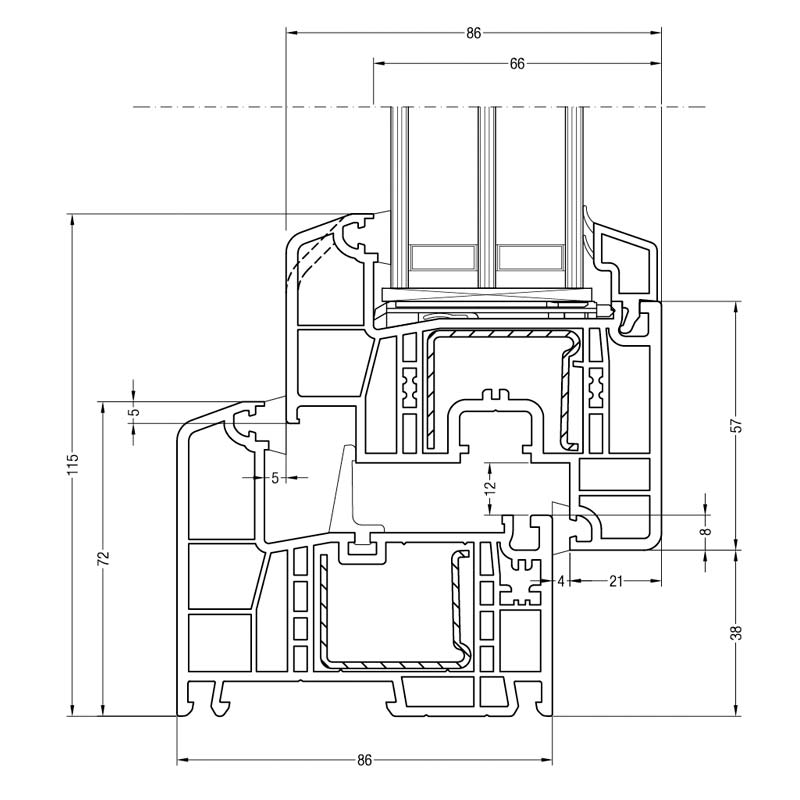
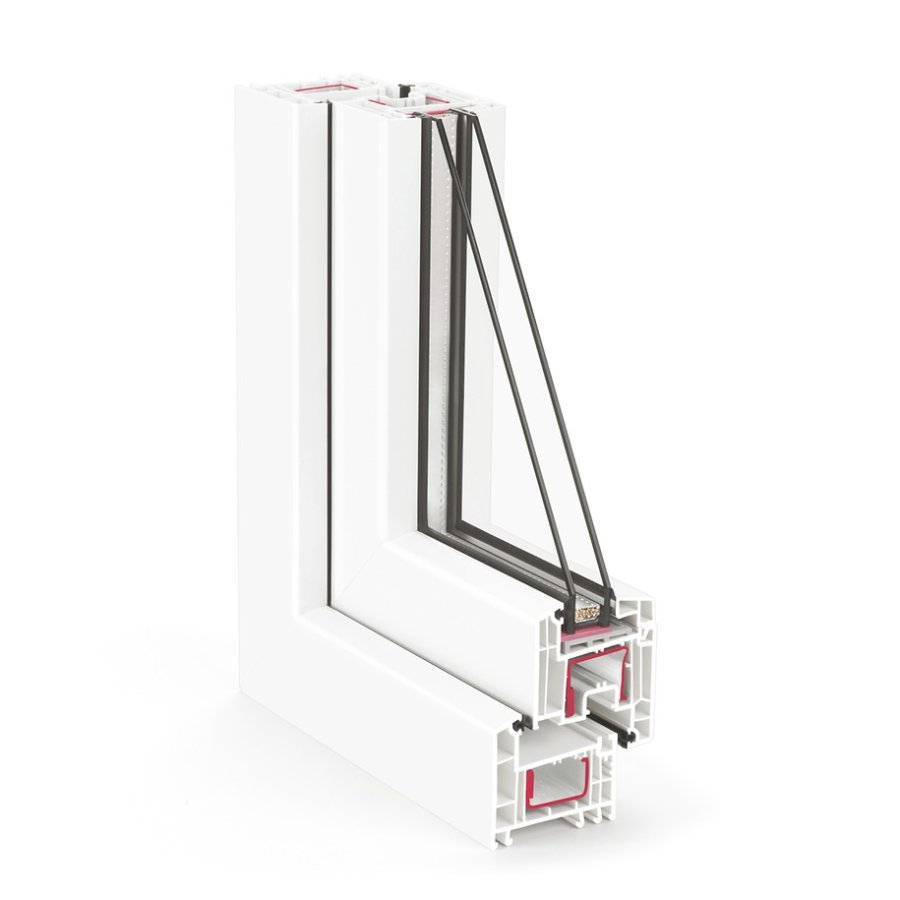
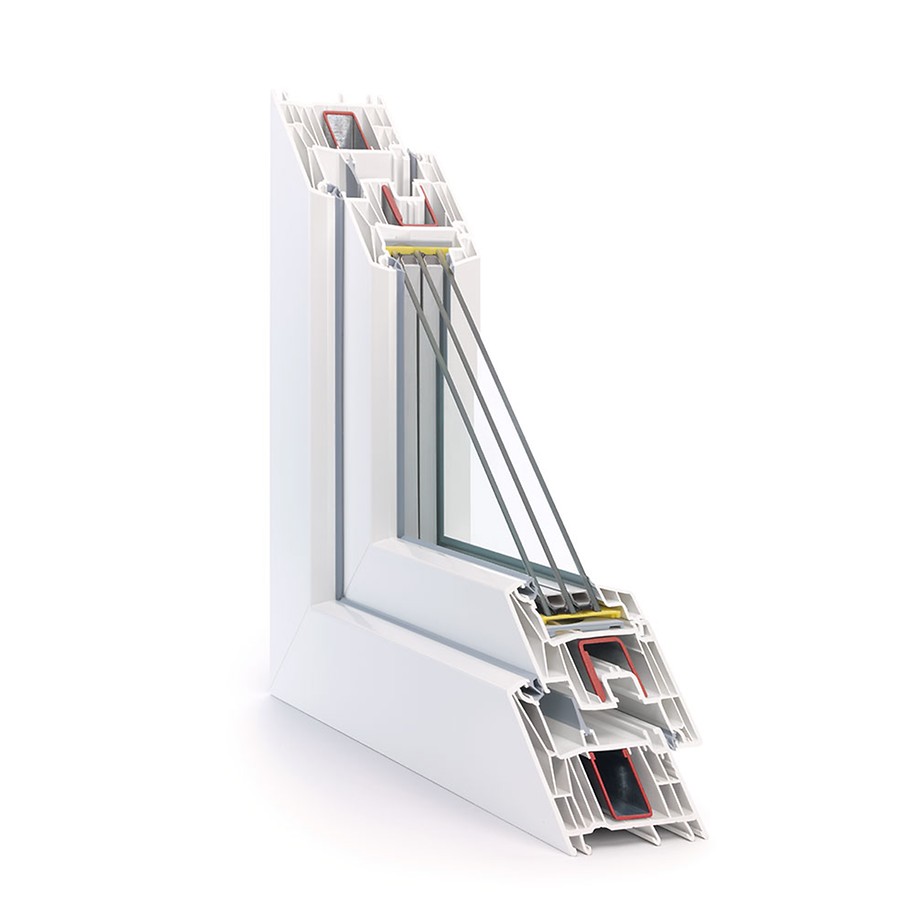
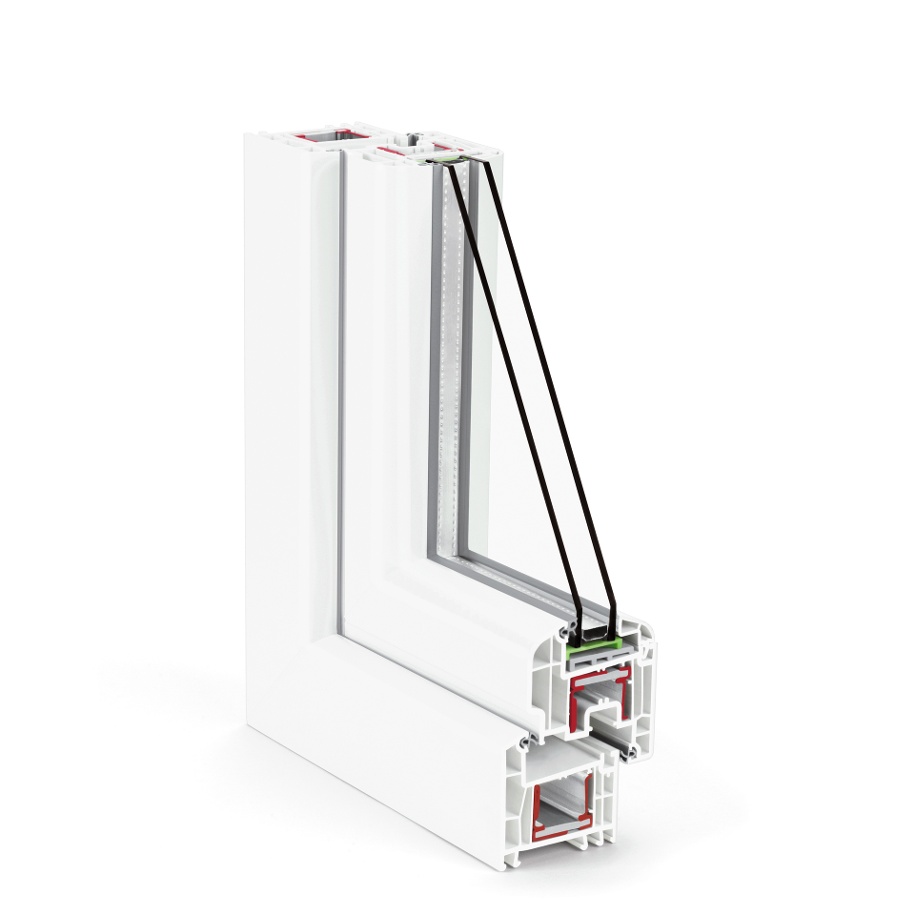
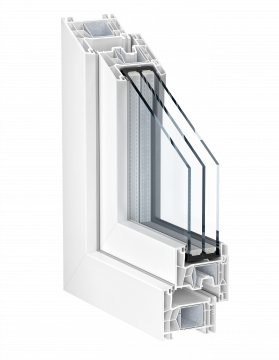
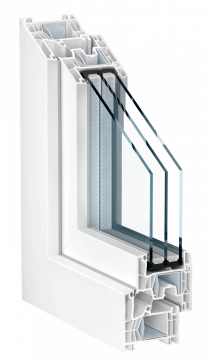
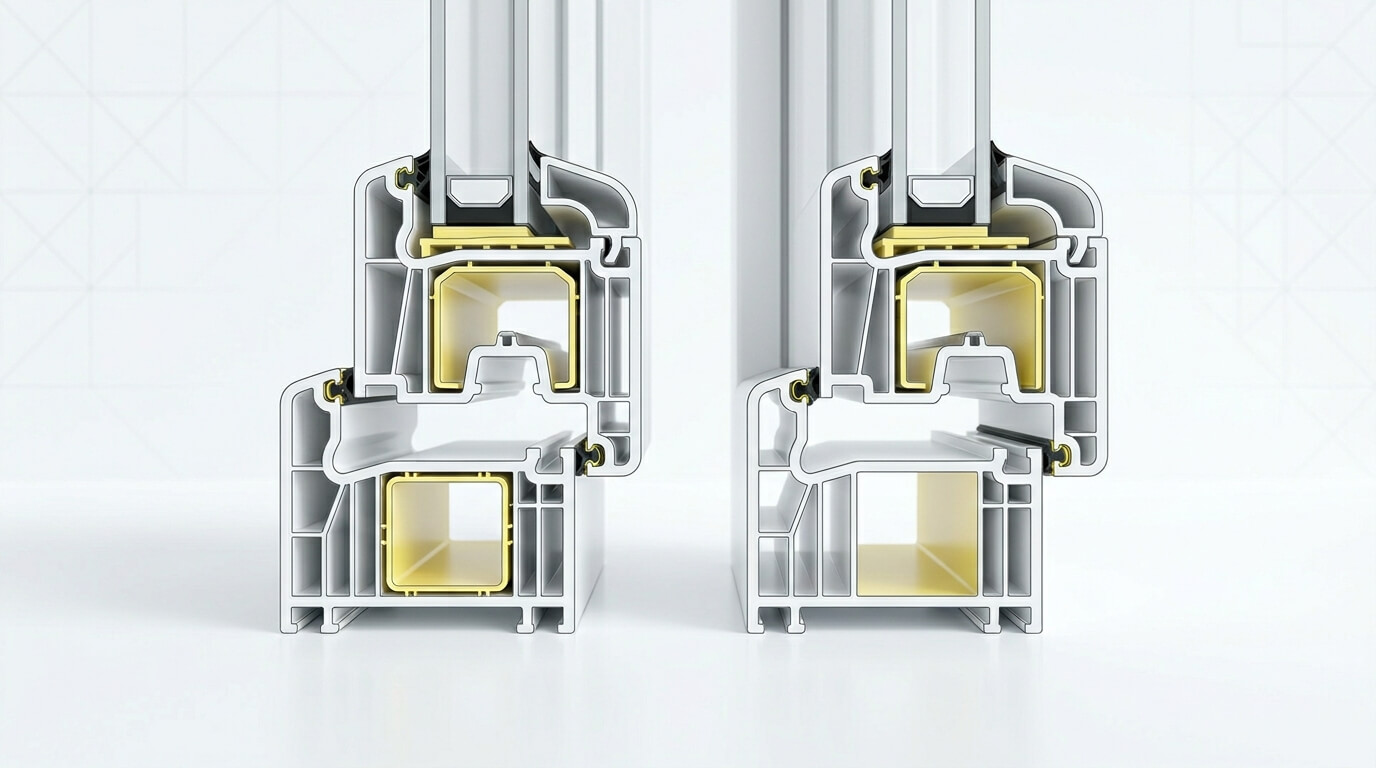
REHAU Geneo PHZ is an enhanced, high-tech PVC profile system for windows, developed specifically for buildings that demand the very highest energy efficiency, passive houses in particular. Built on the pioneering Geneo platform, it relies on advanced RAU-FIPRO X material that delivers exceptional strength and stability with no steel reinforcement required — a key factor in reaching maximum thermal insulation. With an 86 mm installation depth and an optimized multi-chamber construction, the Geneo PHZ system attains outstanding thermal insulation figures that align with passive house standards.
Windows built on the Geneo PHZ profile offer superb sound insulation, shielding the room from outside noise effectively, along with a high level of burglary protection. With no steel reinforcement inside, the profile is lighter, which streamlines installation and handling. The smooth profile surface keeps maintenance easy. REHAU Geneo PHZ unlocks broad architectural design potential through its range of shapes, colors and finishes, allowing elegant, functional solutions that fully satisfy the strict requirements of modern energy-efficient construction.
Brand

Rehau is synonymous with quality in the world of PVC windows. The German corporation with 75 years of history produces profiles that set industry standards. From economical Euro-Design to innovative GENEO without steel reinforcement — we have a solution for any project.
More about REHAUTechnical Specifications
Details
A dedicated Geneo variant fitted with thermal modules, certified for passive houses, offering record-setting thermal insulation.
Styling Features (Passive House Standard):
- Build-in depth: 86 mm.
- Insulating engineering: The defining trait of the PHZ version is the use of thermal modules (purpose-made foam inserts) within the profile's functional chambers. This fully halts air convection inside the frame.
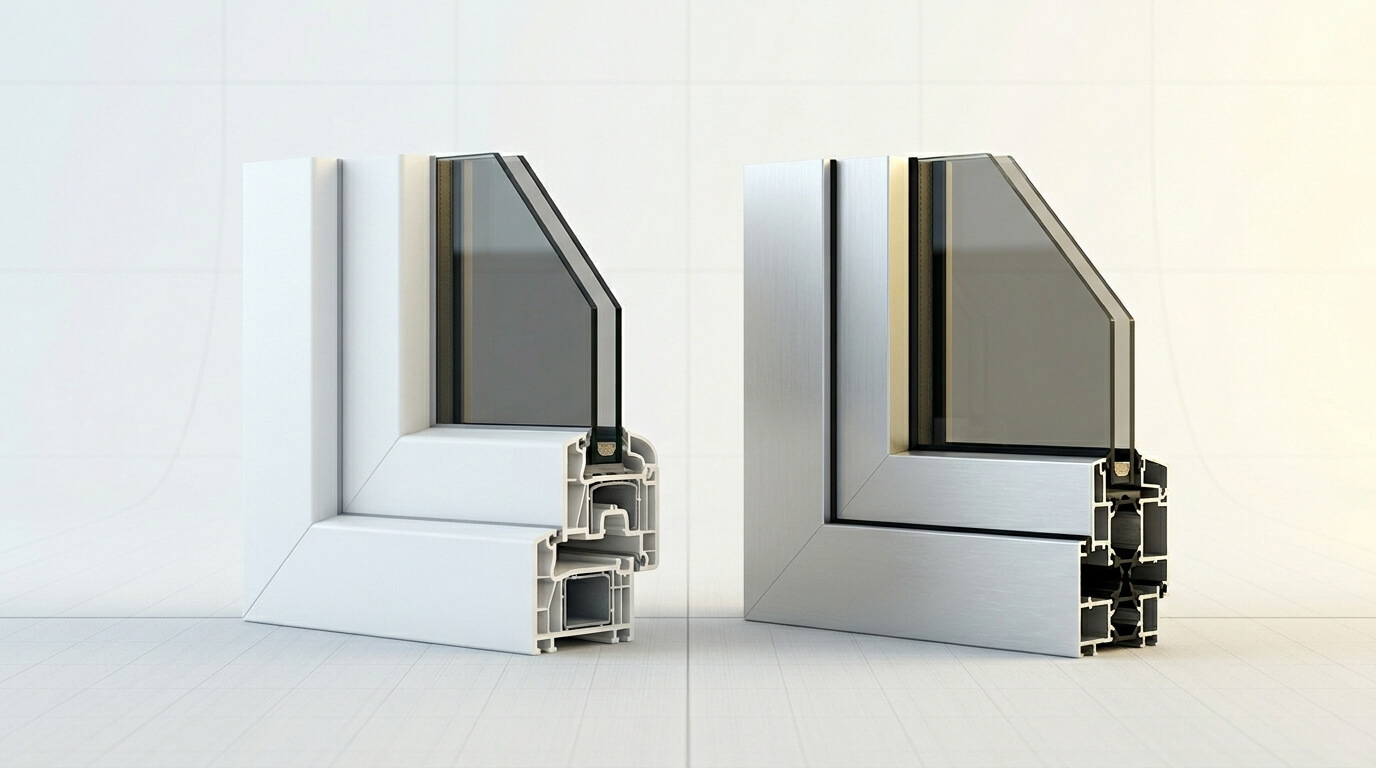
- Frame composition: RAU-FIPRO (fiberglass composite). Does away with steel reinforcement, clearing the "thermal bridges" typical of conventional windows.
- Weatherproofing system: 3 circuits (MD). The PHZ version adopts an enhanced middle sealing circuit to deliver the total airtightness passive houses demand.
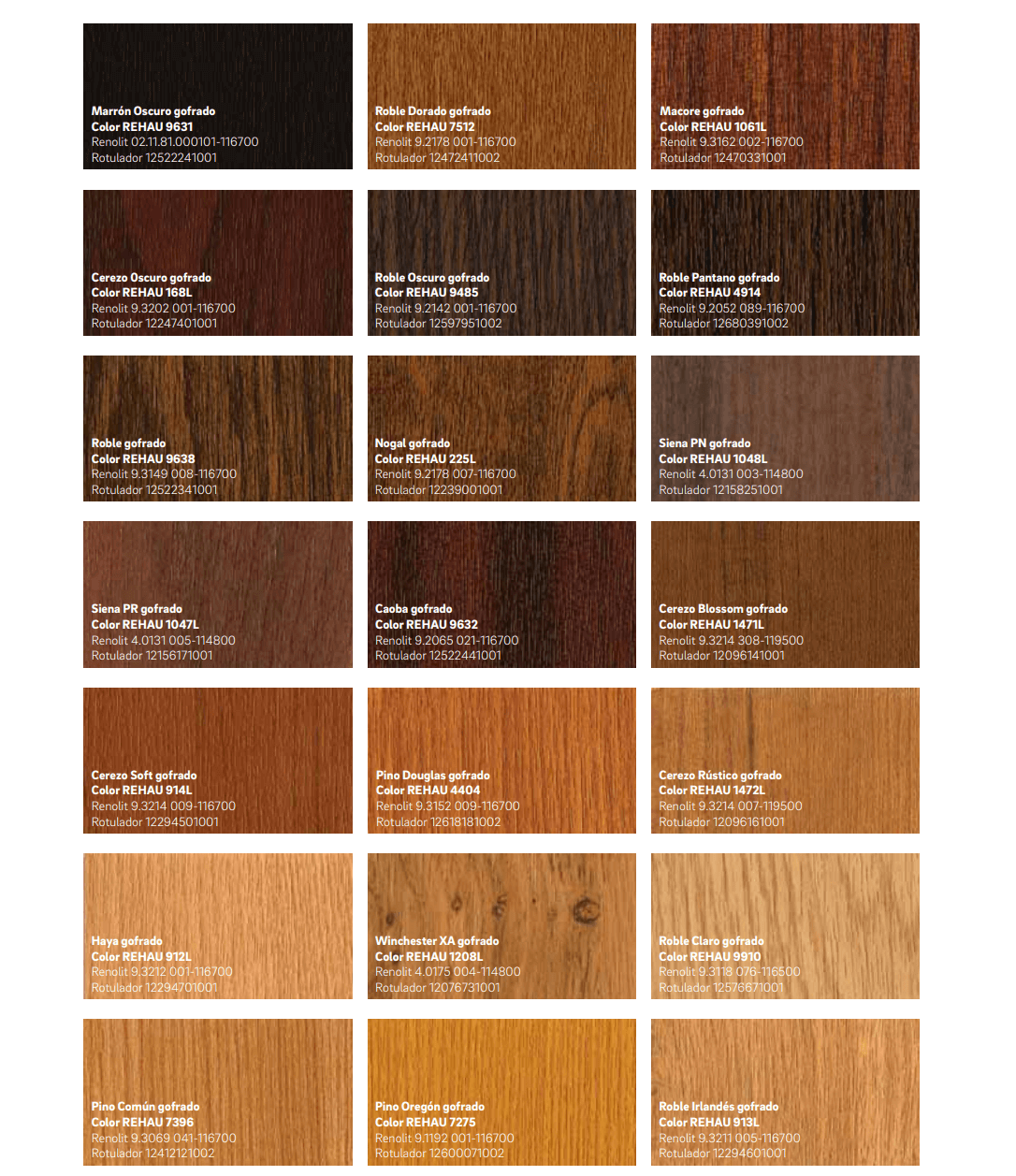
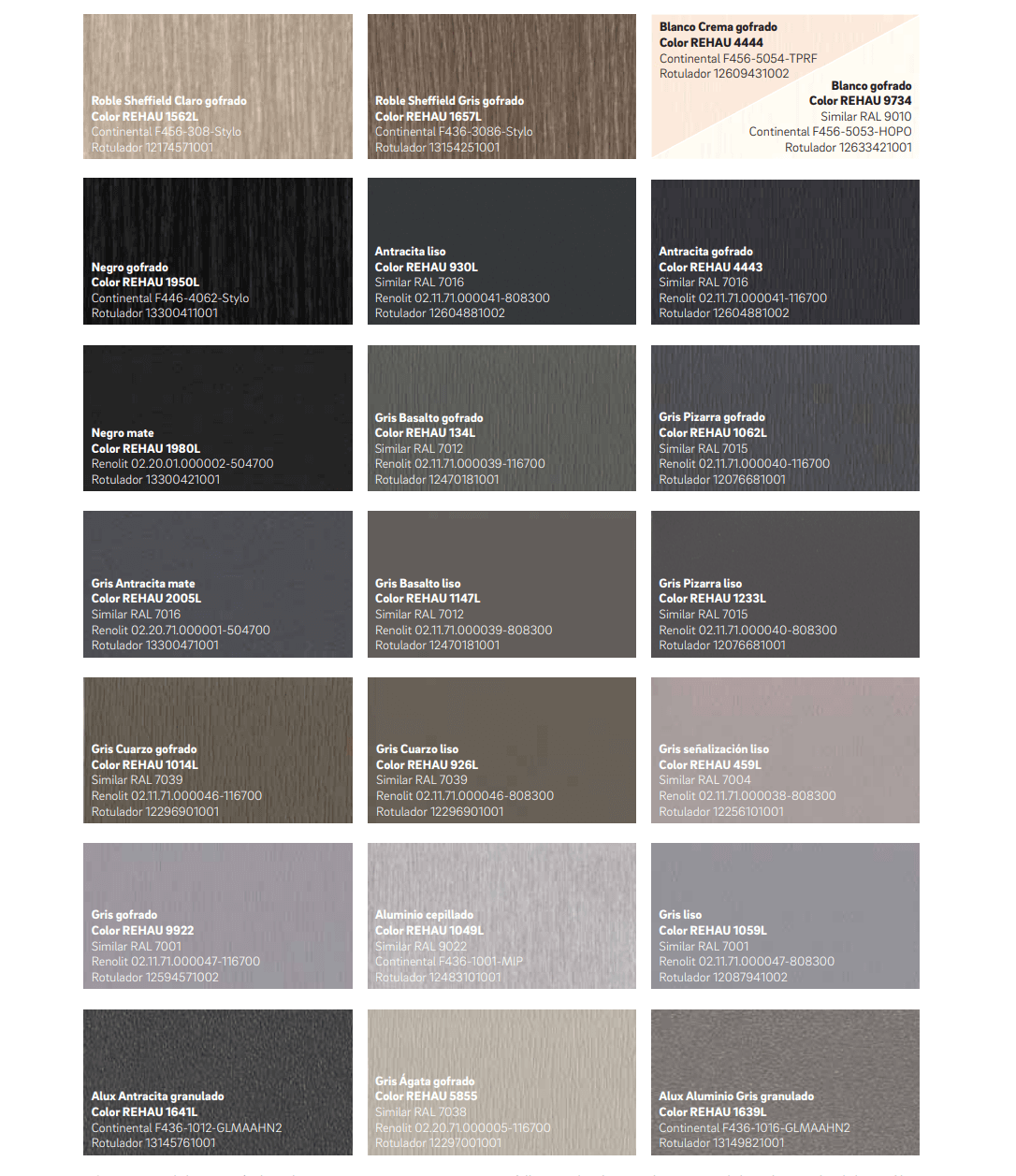
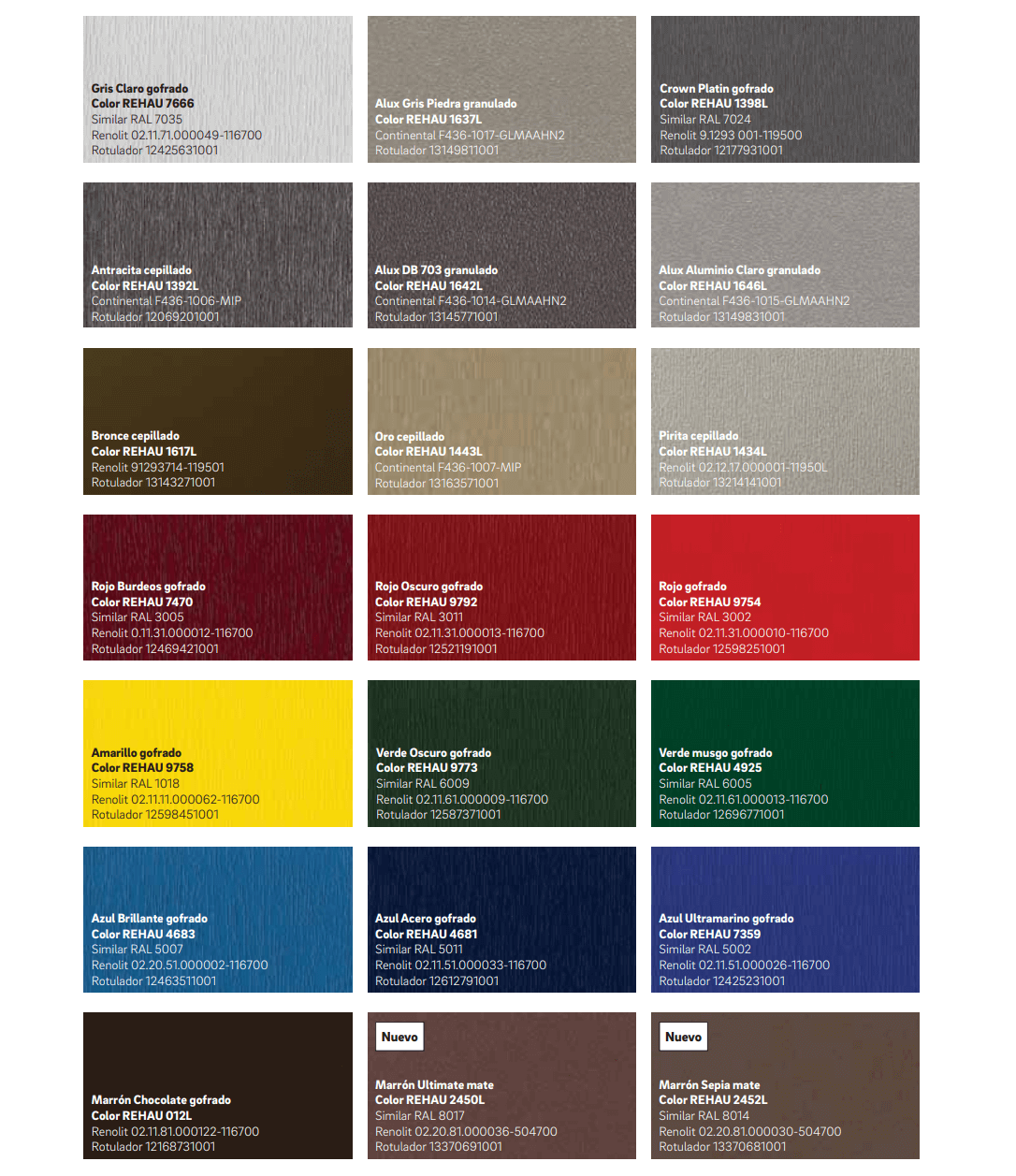
- Finish: HDF (High Definition Finishing) — a smooth, dirt-repellent surface.
Glazing Choices:
- Greatest glass unit thickness: up to 53 mm.
- Essential requirement: To meet the Passivhaus standard, the system is fitted with double-chamber glass units holding inert gas (argon or krypton) and warm spacer frames.
- Glass pane adhesion: Bonding the glazing into the sash boosts structural rigidity and makes large sashes feasible without metal inside.
Tested Performance (Passivhaus Institut Darmstadt Certificate):
- Frame heat retention (Uf): 0.79 W/m²K. Reached by combining RAU-FIPRO material with thermal modules.
- Window heat retention (Uw): up to 0.66 W/m²K (with a glass unit of Ug = 0.5 W/m²K). This figure satisfies Europe's most stringent passive house standards.
- Noise reduction (Rw,p): up to 47 dB.
- Break-in protection: up to RC3 class.
- Air leakage rating: Class 4.
- Watertightness rating: Class 9A.
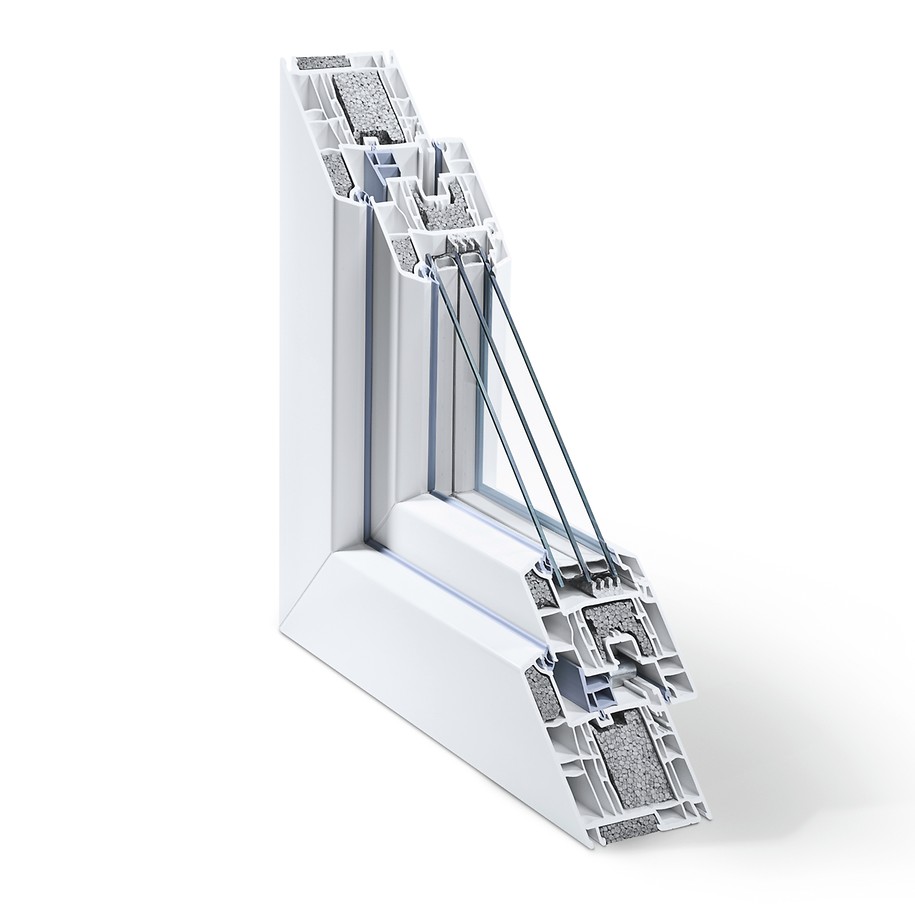
Rehau Geneo PHZ
A dedicated Geneo variant fitted with thermal modules, certified for passive houses, offering record-setting thermal insulation.
For a standard 2-sash tilt-and-turn window (1200 × 1400 mm) with basic double-glazed unit.
Compare with Similar Profiles
Alternative solutions from other manufacturers
Rehau Synego
Rehau Brillant-Design 70
Kömmerling EuroFutur Elegance
Kömmerling Xtrem 76 AD
Kömmerling Xtrem 76 MD
Side by side
Head to Head: Closest Competitors
How Rehau Geneo PHZ stacks up against the closest matches from other brands.
| Specification | Rehau Geneo PHZThis profile | Kömmerling 88 MD | Cortizo A 84 Passivhaus | Schüco LivIng 82 |
|---|---|---|---|---|
| Brand | REHAU | Kömmerling | Cortizo | Schüco |
| Material | PVC | PVC | PVC | PVC |
| Profile depth | 86mm | 88 mm | 84 mm | 82mm |
| Chambers | 6 chambers | — | — | 7 chambers |
| Glass unit, max | 53mm | up to 56 mm | up to 56 mm | up to 52mm |
| Thermal (Uw) | 0.73 | ≤ 0.7 | ≤ 0.66 | 0.8 |
| Sound (Rw, dB) | ≈50 Rw(dB) | ≈ 50 Rw(dB) | ≈ 48 Rw(dB) | ≈47 Rw(dB) |
See all window profiles compared.
Open full comparisonLeave a Review
Customer Reviews
Find out what people are saying about it
No reviews yet. Be the first!
Related Posts

PVC or Aluminium Windows: Which Is Better for Your Spanish Home?
PVC and aluminium are the two frames you will be quoted for almost every window in Spain, and the right answer changes from Valencia to Vigo. This guide compares them head-to-head on insulation, price per m², coastal durability, sizes, colours and noise, then gives a clear verdict by scenario and region.

The Spanish PVC Window & Door Market: 2026 Report
A full data report on windows and doors in Spain: the PVC value chain traced through customs data (resin, profiles, finished units), where Spain buys its profiles and ships its windows, the €4.16-billion domestic sector, the swing from aluminium to PVC, and the subsidy bottleneck holding back a 20-million-home renovation backlog.

Best PVC Window Brands in Spain: An Independent Comparison
A neutral, like-for-like comparison of the PVC profile brands sold in Spain — Kömmerling, Veka, Rehau, Deceuninck, Schüco and the major Spanish systems — by chambers, Uw, reinforcement and price tier. We also explain why the company that fits the window matters at least as much as the brand on the box.

Tilt-and-Turn Windows (Oscilobatiente): What They Are and Why They're So Popular
The oscilobatiente window opens two ways from a single handle: tilt inward for safe ventilation or swing fully open for cleaning. Here's how the mechanism works, how it compares with sliding and casement windows, and what it costs in Spain in 2026.

Choosing the Right Windows for Each Room: Bedroom, Kitchen, Bathroom and More
The best window for a bedroom is not the best window for a kitchen, a bathroom or a living room. This room-by-room guide explains what to prioritise in each space — acoustics and blackout for sleeping, easy-clean ventilation for cooking, privacy and moisture resistance for bathrooms, light and views for living areas, safety for children's rooms — so every window in the house earns its place.

Soundproof Windows: How to Cut Outside Noise in Spain
Traffic, terraces, airports and nightlife — Spanish streets are loud, and your windows are the weakest link. This guide explains acoustic ratings (dB and Rw), exactly what makes a window quiet, the realistic noise reduction you can expect, and precisely what to specify in a quote so you can compare verified companies on equal terms.
FAQs
Frequently Asked Questions about Rehau Geneo PHZ
What thermal and structural specs make Geneo PHZ a passive-house profile?
It runs an 86 mm, 6-chamber RAU-FIPRO fiberglass-composite frame whose functional chambers are filled with thermal modules (foam inserts) to stop air convection. The composite removes steel reinforcement and its thermal bridges, giving Uf 0.79 W/m²K and a certified Uw down to 0.66 W/m²K (with Ug 0.5 glazing) — well below the headline Uw ≤ 0.73.
What is the maximum glass unit thickness in Geneo PHZ, and which units does it take?
The sash accepts glass units up to 53 mm, so to hit Passivhaus figures it is glazed with double-chamber (triple) units filled with inert gas (argon or krypton) on warm spacer frames. Thinner double-glazing or oversized formats beyond 53 mm won't deliver the rated Uw; the glass is also bonded into the sash, which is what allows large panes without internal metal.
Is Geneo PHZ actually certified for Passivhaus, and what performance is documented?
Yes. It carries a Passivhaus Institut Darmstadt certificate, with Uw up to 0.66 W/m²K meeting Europe's most stringent passive-house targets. Documented values also include RC3 burglary resistance, air-leakage Class 4, watertightness Class 9A and noise reduction Rw,p up to 47 dB (system ≈50 Rw with the right glazing).
How do the thermal modules and RAU-FIPRO replace steel in Geneo PHZ?
The frame is built from RAU-FIPRO, a fiberglass composite stiff enough to skip steel reinforcement and the cold bridges steel creates. Its 6 functional chambers are then loaded with thermal modules that fully halt internal air convection, while glass bonded into the sash adds rigidity. Combined, these reach the certified Uf of 0.79 W/m²K — the basis of the passive-house rating.
When is Geneo PHZ overkill, and what are its honest limits?
At €950–1,200 it is Rehau's priciest window profile, so in mild Mediterranean climates its passive-house insulation is rarely cost-justified. It also depends on warm installation joints, perimeter sealing and planned ventilation to hit its numbers.
- Mild climates: thermal headroom goes unused
- Tight budgets: standard Geneo costs far less
- 53 mm glazing cap fixes the maximum unit
How does Geneo PHZ compare to standard Geneo and Synego by the numbers?
PHZ and standard Geneo share the 86 mm, 6-chamber RAU-FIPRO frame and 53 mm glazing, but PHZ's thermal modules push Uw ≤ 0.73 (certified to 0.66) versus Geneo's Uw ≤ 0.85, lifting it from A++ to A+++. Synego is the step below — 80 mm, 7 chambers, up to 51 mm glass and only Uw ≤ 0.94 — so PHZ is the choice strictly for certified passive-house performance.